
Are you struggling to create an inviting and functional Montessori classroom that fully supports child-led learning? Does your current layout feel uninspiring or difficult for children to navigate with independence and focus?
A thoughtfully designed Montessori classroom layout is more than just where you place furniture. It becomes a dynamic environment that encourages curiosity, nurtures independence, and fosters a calm sense of order. With the right balance of natural materials, clearly defined learning zones, and intentional organization, your space can support meaningful exploration every day.
In this guide, you’ll find essential principles and practical tips for creating an effective Montessori classroom layout. Whether you’re starting from scratch or improving an existing setup, this article will help you design a space that inspires young learners and reflects the core values of Montessori education.
What Is a Montessori Classroom Layout?
A Montessori classroom is a carefully prepared learning environment designed to support the natural development of children through independence, exploration, and self-directed activity. Rooted in the educational philosophy of Tiến sĩ Maria Montessori, this type of classroom is intentionally organized to empower children to take ownership of their learning while promoting respect, order, and concentration.
Unlike traditional classrooms that often focus on teacher-led instruction, the Montessori environment prioritizes freedom within limits. Children move freely between activities, choosing tasks that match their interests and developmental stages. Vật liệu Montessori are displayed on open shelves, inviting hands-on engagement and independent exploration. Every aspect of the space, from the layout of furniture to the choice of learning materials, is intentionally crafted to foster intrinsic motivation and meaningful learning experiences.

Key Elements of a Montessori Classroom:
- Môi trường đã chuẩn bị: The space is designed to encourage autonomy and self-regulation. Furniture and materials are child-sized, accessible, and logically arranged to promote purposeful movement and independent work.
- Hands-On Learning Materials: Montessori classrooms use specially designed, self-correcting materials that allow children to explore abstract concepts in concrete ways, fostering deeper understanding through active engagement.
- Nhóm tuổi hỗn hợp: Children of varying ages, typically in three-year spans, learn together. Older students reinforce their knowledge by helping younger peers, while younger children benefit from peer modeling.
- Defined Learning Areas: The room is divided into distinct zones such as Practical Life, Sensorial, Math, Language, Cultural Studies, and sometimes Peace or Nature corners. Each area supports different developmental needs.
- Teacher as Guide: Instead of lecturing, the teacher observes, facilitates, and offers lessons when appropriate. Their role is to connect children with the environment and support each child’s individual learning path.
- Child-led Learning: In a Montessori classroom, children can choose activities based on their interests and developmental stage. This fosters independence, responsibility, and a love for learning.
- Tôn trọng trẻ em: The Montessori approach emphasizes respect for each child’s individuality. Teachers observe and understand each student’s needs, strengths, and challenges, allowing them to tailor instruction to suit the child’s unique learning style.
Examples of Montessori Classroom Layout
Bố cục của lớp học Montessori rất quan trọng trong việc nuôi dưỡng tính độc lập, sự tò mò và sự phát triển toàn diện của trẻ. Một thiết kế lớp học được cân nhắc kỹ lưỡng sẽ tạo ra một môi trường chức năng và truyền cảm hứng, cho phép trẻ khám phá và học tập một cách độc lập. Mỗi bố cục lớp học Montessori có thể khác nhau tùy thuộc vào nhu cầu của học sinh và không gian có sẵn, nhưng một số nguyên tắc vẫn không đổi: tổ chức, khả năng tiếp cận và tập trung vào các yếu tố tự nhiên.
Chúng tôi đã hợp tác với nhiều trường học, trường mẫu giáo và trung tâm chăm sóc trẻ em, giúp họ tạo ra môi trường truyền cảm hứng sáng tạo, nuôi dưỡng tính độc lập và khuyến khích học tập tích cực. Dưới đây là một số ví dụ về cách bố trí lớp học Montessori mà chúng tôi đã thiết kế cho khách hàng, nêu bật các phương pháp thiết thực và chu đáo mà chúng tôi áp dụng trong các thiết kế của mình.


Nguyên tắc bố trí lớp học Montessori
The principles behind a Montessori classroom layout are deeply rooted in the educational philosophy of Dr. Maria Montessori. She believed that the environment is not a backdrop to learning, but an active participant in the child’s development. A carefully designed space can help children grow in independence, concentration, coordination, and self-discipline.
Rather than focusing on decoration or convenience, Montessori layout decisions are based on how space can best support natural learning. Every aspect of the classroom is intentional and purposeful, designed to respect the child’s developmental needs.
1. The Environment as a “Third Teacher”
Montessori emphasized that the environment should guide the child just as much as the adult and the learning materials do. An effective layout encourages children to make their own choices, follow their interests, and move confidently throughout the space without unnecessary intervention from adults.
2. Freedom Within Structure
Children need the freedom to explore, but within a well-ordered and predictable environment. The layout supports this by offering clear pathways, logical activity zones, and visible expectations. When children know where things belong and how to navigate the space, they develop internal order and responsibility.
3. Accessibility and Independence
Montessori classrooms are designed to give children real freedom to act independently. This means low shelves, đồ nội thất cỡ trẻ em, and uncluttered workspaces. Materials should be visible and within reach, inviting children to take initiative without waiting for adult permission.
4. Movement with Purpose
Unlike traditional classrooms that restrict movement, Montessori environments support controlled, purposeful motion. A good layout allows children to walk, carry materials, roll out work rugs, and transition between activities calmly and efficiently. This movement is not disruptive—it is an essential part of learning.
5. Beauty, Simplicity, and Calm
Montessori believed that children absorb the aesthetics of their surroundings. The classroom should be peaceful, attractive, and free of distractions. Natural light, neutral colors, and a clear layout help children feel safe, focused, and inspired to work.
6. Defined Learning Areas
The layout separates the classroom into distinct zones such as Practical Life, Sensorial, Math, Language, and Culture. This organization helps children understand the function of each area and supports sequential development. It also reinforces the Montessori value of internal order through external structure.
7. Opportunities for Individual and Social Learning
The environment should support both solitary concentration and collaborative activity. Flexible layout design includes individual tables, group spaces, floor areas, and quiet corners. This allows children to choose how they want to work while learning to respect the space and needs of others.

Benefits of Montessori Classroom Layout
An effective Montessori classroom layout is not only about aesthetics or organization. It plays a fundamental role in shaping how children interact with their environment, their peers, and the learning process itself. A well-structured layout aligned with Montessori principles enhances both educational outcomes and classroom harmony.
1. Encourages Independence
When materials are accessible and the classroom is logically arranged, children learn to make choices on their own. They can retrieve what they need, complete their work, and return items to their place without assistance. This sense of autonomy strengthens confidence and builds life-long self-management skills.
2. Promotes Concentration and Focus
A calm, uncluttered layout with clearly defined zones reduces visual noise and distractions. Children are more likely to enter deep states of focus when they feel emotionally secure and physically supported by the environment. Consistent spatial structure helps them know what to expect and where to go.
3. Supports Freedom of Movement
Unlike traditional classrooms with fixed seating, Montessori layouts encourage purposeful movement. Children move from one activity to another without asking for permission. This natural flow nurtures self-regulation and allows learners to listen to their internal cues for pacing and readiness.
4. Enhances Social Development
Workspaces arranged for both individual and small group use give children opportunities to collaborate, observe, or work independently as needed. The layout teaches respect for personal space while still encouraging community and cooperation.
5. Builds Internal Order
The external order of the classroom fosters internal order in the child’s mind. When every material has a place and every space has a function, children absorb the value of structure, logic, and organization. This mental clarity translates into academic and emotional readiness.
6. Facilitates Teacher Observation and Guidance
Open sightlines and clear spatial divisions allow teachers to observe children without interrupting their work. Educators can step in gently when needed or step back when appropriate. This unobtrusive support fosters trust and encourages self-discovery.
7. Reflects Respect for the Child
The entire environment communicates a silent message: “You are capable, and this space is made for you.” When the layout responds to children’s physical size, developmental needs, and learning rhythms, it affirms their dignity and potential.
How to Create an Effective Montessori Classroom Layout?
Bố cục lớp học Montessori lấy cảm hứng từ mùa xuân mang đến tinh hoa tươi trẻ và sống động của mùa, truyền vào lớp học của bạn những yếu tố phản ánh vẻ đẹp của thiên nhiên. Bằng cách kết hợp màu sắc tươi sáng của mùa xuân, kết cấu tươi mới và vật liệu hữu cơ, bạn có thể tạo ra một môi trường ấm áp, hấp dẫn và kích thích, nuôi dưỡng cảm giác ngạc nhiên và khám phá ở những người học trẻ.
1. Assess the Space
Begin by analyzing the physical dimensions of the room. Understanding the space allows you to plan traffic flow, allocate zones, and place key features in practical locations. Take note of:
- Available floor space
- Natural lighting and windows
- Entry and exit points
- Fixed features such as sinks, storage closets, or structural columns
2. Define the Learning Zones
A Montessori classroom is carefully divided into distinct learning zones, each supporting a different area of development. Properly organizing your classroom into well-defined areas helps children focus, choose activities independently, and develop a deep understanding of their learning environment. Common zones include:
Montessori Practical Life Area

The Practical Life area is where children engage in activities that mimic everyday tasks. It involves everyday tasks like pouring, sweeping, and buttoning. Montessori math materials include minor pitchers, brooms, dustpans, buttons, zippers, and cloths. These activities help children develop motor skills, concentration, and independence.
Montessori Sensorial Area
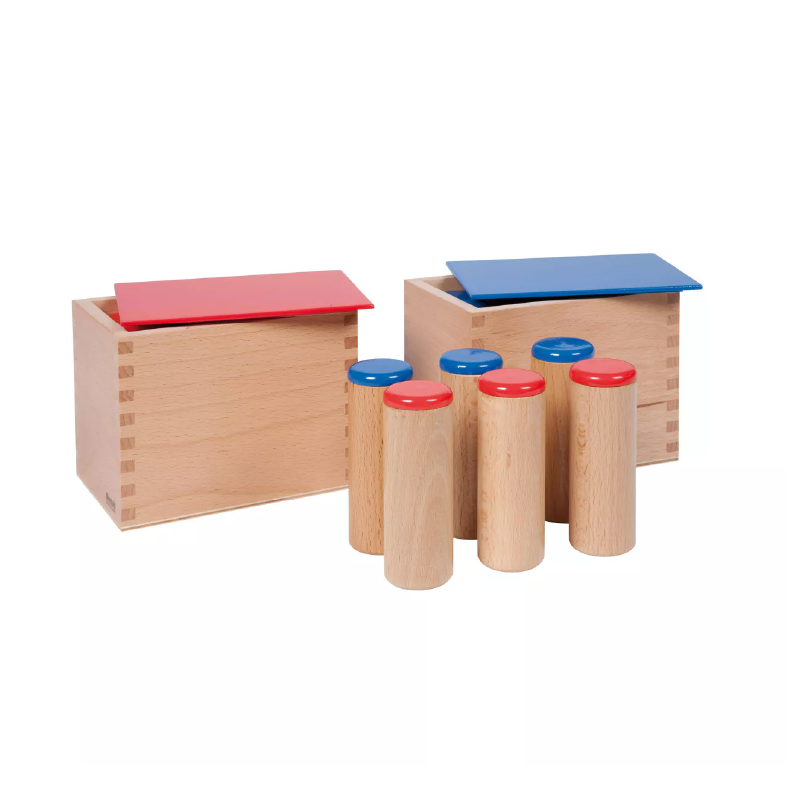
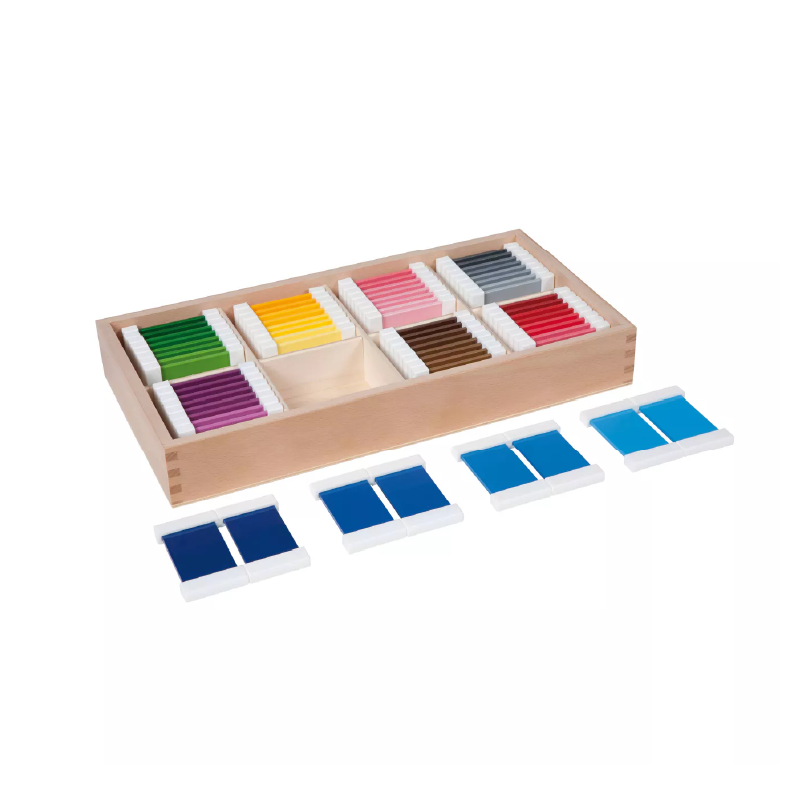
The sensorial zone in a Montessori classroom is designed to engage and refine the child’s five senses: touch, sight, smell, sound, and taste. Through carefully chosen Montessori materials and activities, children explore different textures, shapes, colors, and sounds, helping them make sense of the world around them.

Montessori Mathematics Area

Khu vực Toán học sử dụng các vật liệu như thanh số, hạt vàng và khung hạt để dạy đếm, cộng và trừ. Trẻ em xây dựng sự hiểu biết cụ thể về các khái niệm toán học trừu tượng thông qua tương tác trực tiếp với các vật liệu này, đặt nền tảng cho việc học toán trong tương lai.
Montessori Language Area
The language area nurtures children’s reading, writing, and speaking development. Children learn the building blocks of language using tools like sandpaper letters, movable alphabets, and phonetic games. The Montessori approach encourages self-expression through stories, conversations, and word games, helping children develop literacy skills and a love for language.

Montessori Cultural Area

The Cultural zone introduces children to geography, history, and cultural practices through Montessori materials like maps, flags, cultural artifacts, and books about different countries and traditions. This area encourages them to think critically about their environment and appreciate the diverse world, promoting a broader understanding of humanity and nature.
3. Plan Traffic Flow
An effective Montessori classroom supports calm, purposeful movement. As you arrange furniture and learning zones, ensure that children can move freely between areas without crossing through another child’s workspace. Primary walkways should be wide enough for a child to carry a tray without bumping into obstacles. Avoid placing high-activity areas like Practical Life or Art near quieter zones such as Reading. Good traffic flow reduces interruptions, supports independence, and maintains a peaceful classroom atmosphere.
4. Develop a Classroom Floor Plan
Before physically moving furniture, it is essential to create a detailed floor plan of the classroom. A floor plan allows you to visualize the arrangement of learning zones, traffic flow, and furniture placement in advance. It also helps identify potential issues before they disrupt the environment. When preparing a Montessori classroom floor plan, keep the following points in mind:
- Room Dimensions
Measure the classroom accurately, including walls, windows, doors, and any fixed features such as sinks or built-in cabinets. - Learning Zone Placement
Map out areas for Practical Life, Sensorial, Math, Language, Culture, and Reading. Ensure that noisy zones and quiet zones are positioned strategically to avoid conflicts. - Traffic Flow
Draw clear pathways that allow children to move freely between zones without crossing through other children’s work areas. Pathways should lead naturally from the entrance to the main activity areas. - Sắp xếp đồ đạc
Indicate where low shelves, tables, and reading nooks will be placed. Keep lines of sight open for teacher supervision while ensuring children can access materials independently. - Scale and Proportion
Use proportional sketches or digital software so that the size of furniture matches the space realistically. This ensures that zones are balanced and no area feels overcrowded.
5. Choose and Arrange the Furniture
The furniture in a Montessori classroom is more than a necessity; it is a tool that shapes independence, order, and freedom of movement. Selecting and arranging each piece thoughtfully ensures that the environment supports children’s development and reflects the Montessori method.
Key considerations when selecting furniture:


- Prioritize Child-Sized Furniture
Select tables, chairs, and shelves scaled to children’s proportions. This promotes independence and comfort, allowing children to move and use furniture on their own. - Select Open, Low Shelving
Sử dụng sturdy, low shelves that display materials clearly and keep everything within reach. Open shelving helps children see, choose, and return work independently. - Include Flexible Work Surfaces
Provide a combination of small tables and floor rugs. Tables support focused individual or pair work, while rugs define personal floor space for hands-on materials. - Durable and Natural
Prioritize solid wood or natural materials that are long-lasting and visually calm. The texture and warmth of wood contribute to the classroom’s aesthetic and emotional tone. - Provide Practical Life Furniture
Add functional, child-sized units for pouring, washing, or food preparation. Real, durable furniture supports meaningful tasks rather than pretend play. - Safe and Easy to Maintain
All furniture should have rounded edges, a stable footing, and non-toxic finishes. Surfaces must be easy to clean but not plastic in appearance or feel.
Tips for arranging the furniture:
- Keep walkways clear and wide enough for safe movement.
- Avoid placing tables directly in front of shelves to maintain open access.
- Use shelving to gently define zones, but keep overall visibility intact.
- Allow for flexibility—use lightweight furniture that can be easily repositioned as needed.
6. Set Up the Shelves and Materials
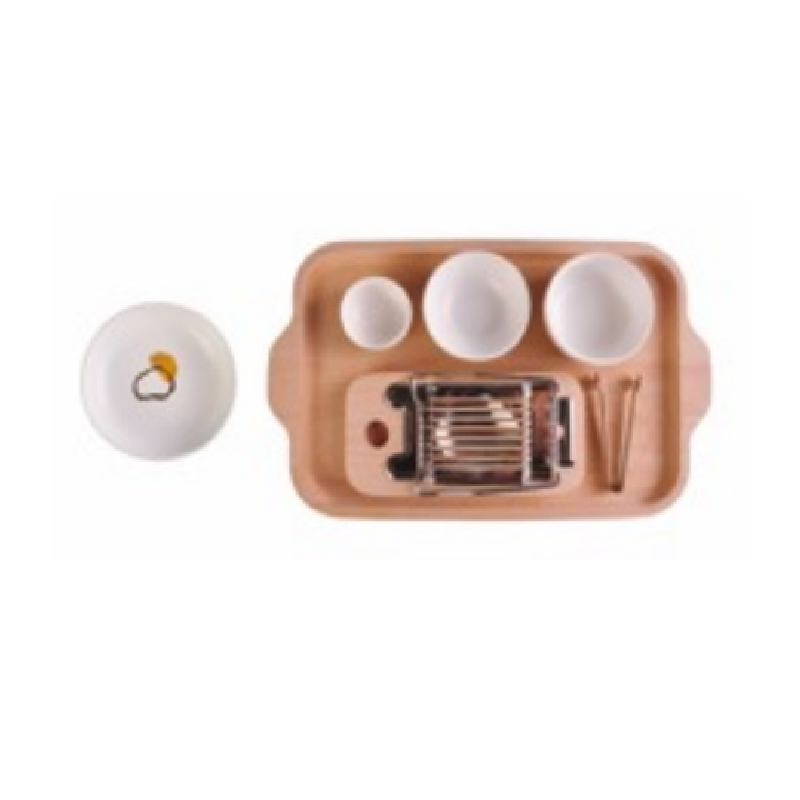
Shelves in a Montessori classroom are more than storage; they are curated invitations to learn. Each shelf should face the child, remain uncluttered, and follow a clear organizational logic that promotes independence and discovery.
Begin by selecting developmentally appropriate materials for each learning zone. Place them from left to right and from simple to complex, reflecting how children naturally build skills. Avoid overloading the shelves. Fewer choices encourage focus and respect for the material.
To support ease of use:
- Use wooden trays and shallow baskets to group all necessary components together
- Keep similar items within the same area or on the same shelf
- Ensure that all materials are complete, clean, and in good condition
- Avoid stacking or hiding materials that should be openly visible
Material rotation should happen regularly, but gradually. Observe which activities are no longer engaging and which new interests are emerging. Shelf updates should feel seamless to the child, never disruptive.
7. Add Finishing Touches
Beyond structure and materials, a Montessori classroom should feel peaceful, inspiring, and connected to the natural world. These finishing touches help transform the space into a nurturing environment that supports emotional well-being and a sense of belonging.
Incorporate natural elements like live plants, dried flowers, or rocks and shells gathered by the children. Use soft lighting when possible, allowing natural light to play a central role. Choose neutral color tones and wooden textures over plastic or overly bright visuals.
It’s also important to include:
- Displays of children’s artwork or class projects at eye level
- Photographs or illustrations that reflect cultural diversity and real-world beauty
- Soothing fabrics, woven rugs, or gentle textures in quiet corners
Avoid clutter and excessive wall decorations. In a Montessori environment, beauty comes from simplicity, order, and purpose.
8. Creating a Connection to the Outdoors
One of the most important aspects of a Montessori classroom is creating a connection between the indoor and outdoor environments. The world outside is vibrant and full of life, and the Montessori classroom layout should reflect this by encouraging children to step outside and engage with nature.


Design your classroom with easy access to an outdoor play area or garden, if possible. This connection can be as simple as placing outdoor materials near windows to draw children’s attention to the natural world or as elaborate as setting up an outdoor learning space that mirrors the classroom layout. Consider adding elements like a sensory garden, nature-inspired art projects, or outdoor exploration kits that allow children to engage with the natural world in a Montessori-style manner.
Ngay cả những điểm nhấn nhỏ, như sách về chủ đề thiên nhiên, câu đố về chủ đề ngoài trời hoặc vật liệu mô phỏng thiên nhiên, cũng có thể giúp mang thiên nhiên vào bên trong. Mục tiêu là làm mờ ranh giới giữa lớp học và thiên nhiên, tạo ra một môi trường học tập nơi trẻ em cảm thấy gắn kết với thế giới xung quanh.
9. Observe and Adjust
Designing a Montessori classroom layout is not a one-time task; it is an ongoing process of observation and refinement. Once the space is in use, the most important feedback comes from the children themselves. Spend time watching how children interact with the environment.
- Are certain areas being ignored?
- Is traffic flow smooth or congested?
- Do children care for the materials independently, or do they frequently seek adult help?
A responsive classroom layout evolves with its learners. Through continuous attention and care, the environment remains a living support for growth, exploration, and joyful learning.
Popular Themes for Montessori Classroom
Mùa xuân là mùa của sự sống, phát triển và đổi mới, là thời điểm lý tưởng để giới thiệu những điều tươi mới và chủ đề hấp dẫn vào lớp học Montessori của bạn. Bằng cách sắp xếp các hoạt động trong lớp học của bạn với vẻ đẹp tự nhiên của mùa xuân, bạn có thể truyền cảm hứng cho trẻ em khám phá, quan sát và học hỏi thông qua các trải nghiệm thực hành. Hãy cùng xem xét một số chủ đề mùa xuân phổ biến có thể nâng cao lớp học Montessori của bạn và khơi dậy sự tò mò và sáng tạo ở những người học trẻ.
Vòng đời của cây và hoa
Mùa xuân là thời điểm hoàn hảo để khám phá vòng đời hấp dẫn của thực vật và hoa. Chủ đề này cho phép trẻ em tìm hiểu cách hạt giống phát triển thành cây và hoa, giúp chúng kết nối với các chu kỳ của thiên nhiên. Tài liệu cho chủ đề này có thể bao gồm các thẻ sắp xếp trình bày các giai đoạn phát triển, sách về đời sống thực vật và các hoạt động trồng cây ngoài đời thực.
Trong lớp học, bạn có thể thiết lập một trạm làm vườn nơi trẻ em có thể trồng hạt giống, tưới nước và theo dõi chúng phát triển theo thời gian. Việc kết hợp hoa mùa xuân vào các dự án nghệ thuật, chẳng hạn như ép hoa hoặc tạo bản in hoa, cũng giúp trẻ em tham gia vào chủ đề. Chủ đề này thúc đẩy trách nhiệm và sự trân trọng thiên nhiên khi trẻ em tìm hiểu về sự kết nối của các sinh vật sống.

Côn trùng và sâu bọ
Mùa xuân là thời điểm nhiều loài côn trùng hoạt động mạnh hơn, khiến đây trở thành thời điểm thú vị để giới thiệu cho trẻ em về thế giới côn trùng. Chủ đề này giúp trẻ em tìm hiểu về nhiều loại côn trùng, môi trường sống của chúng và vai trò của chúng trong hệ sinh thái. Các vật liệu như tượng côn trùng, kính lúp và sách về chủ đề côn trùng có thể thu hút sự tò mò của trẻ em.
Thiết lập một trạm quan sát côn trùng với côn trùng sống hoặc mô hình để trẻ em nghiên cứu. Bạn cũng có thể giới thiệu các hoạt động mà trẻ em phân loại và sắp xếp côn trùng hoặc làm đồ thủ công theo chủ đề côn trùng như hình in bướm hoặc rối côn trùng. Chủ đề này giúp trẻ em phát triển các kỹ năng vận động tinh trong khi dạy chúng về sinh học và tầm quan trọng của côn trùng trong tự nhiên, chẳng hạn như các loài thụ phấn như ong.

Động vật trang trại và làm vườn
Mùa xuân là thời điểm của sự sống mới, và các loài động vật trang trại thường được sinh ra trong mùa này. Chủ đề này cho phép trẻ em tìm hiểu về động vật, con non của chúng và trách nhiệm của nghề nông. Kết hợp các tài liệu như tượng động vật trang trại, sách tranh và video để giới thiệu cho trẻ em về các loài động vật khác nhau và vòng đời của chúng.
Ngoài các hoạt động theo chủ đề động vật, hãy cân nhắc thiết lập một góc làm vườn nhỏ nơi trẻ em có thể trồng rau, thảo mộc hoặc hoa. Hoạt động thực hành này giúp trẻ em tìm hiểu về mối liên hệ giữa động vật, thực vật và sản xuất lương thực. Tạo ra một khu vực lấy cảm hứng từ trang trại nuôi dưỡng ý thức trách nhiệm trong khi dạy trẻ em về thế giới tự nhiên và chu kỳ của nó.

Chim và di cư
Khi thời tiết ấm lên vào mùa xuân, các loài chim trở về sau chuyến di cư, khiến đây trở thành chủ đề lý tưởng để khám phá thế giới chim hấp dẫn. Trẻ em có thể tìm hiểu về các loài chim khác nhau, môi trường sống của chúng và các mô hình di cư diễn ra trong mùa.
Thiết lập một trạm quan sát chim với ống nhòm, sách về chim và thẻ nhận dạng. Khuyến khích trẻ em quan sát và ghi chép lại các loài chim trong môi trường xung quanh, giúp chúng kết nối việc học trên lớp với những trải nghiệm thực tế. Các hoạt động như tạo máng ăn cho chim, xây tổ từ vật liệu tự nhiên hoặc làm mặt nạ chim để chơi kịch có thể làm phong phú thêm chủ đề này và thúc đẩy sự hiểu biết sâu sắc hơn về thế giới tự nhiên.

Lớp học truyền thống so với lớp học Montessori
Lớp học truyền thống thường có bố cục có cấu trúc và lấy giáo viên làm trung tâm. Bàn ghế được sắp xếp theo hàng hoặc nhóm, tất cả đều hướng về phía trước hướng về phía giáo viên. Thiết lập này thúc đẩy môi trường tập trung do giáo viên hướng dẫn, nơi học sinh lắng nghe hướng dẫn, ghi chép và làm việc cá nhân hoặc theo nhóm nhỏ. Việc di chuyển trong lớp học thường bị hạn chế và học sinh thường ngồi tại bàn của mình. Bố cục này hỗ trợ các phương pháp giảng dạy truyền thống dựa trên bài giảng, với giáo viên ở phía trước lớp quản lý lớp học và chỉ đạo các hoạt động.
Ngược lại, các lớp học Montessori được thiết kế linh hoạt hơn và lấy học sinh làm trung tâm. Bố cục khuyến khích sự di chuyển tự do với không gian mở và các vật liệu được đặt trên các kệ thấp, dễ tiếp cận. Trẻ em có thể khám phá các khu vực khác nhau trong lớp học, chẳng hạn như cuộc sống thực tế, toán học, ngôn ngữ và các trạm cảm giác, lựa chọn các vật liệu dựa trên sở thích của mình. Sự sắp xếp này thúc đẩy tính độc lập và học tập tích cực, cho phép trẻ em tương tác với môi trường và các vật liệu theo tốc độ của riêng mình. Giáo viên đóng vai trò hướng dẫn, quan sát và hỗ trợ nhiều hơn là chỉ đạo.

Trong khi cách bố trí lớp học truyền thống tập trung vào cấu trúc và trật tự, với giáo viên là trung tâm, thì cách bố trí lớp học Montessori thúc đẩy sự khám phá, học tập thực hành và tính tự chủ của học sinh. Sự khác biệt trong cách bố trí này phản ánh triết lý cốt lõi của mỗi phương pháp tiếp cận—một phương pháp do giáo viên kiểm soát nhiều hơn, và phương pháp còn lại thúc đẩy việc học tự định hướng, dựa trên trải nghiệm.
| Diện mạo | Lớp học truyền thống | Lớp học Montessori |
|---|---|---|
| Bố trí lớp học | Giáo viên là trung tâm, bàn ghế được sắp xếp theo hàng hoặc theo nhóm. | Lấy học sinh làm trung tâm, chỗ ngồi linh hoạt, di chuyển tự do. |
| Vai trò của giáo viên | Authority directs lessons and manages behavior. | Hướng dẫn, hỗ trợ tính độc lập, tạo điều kiện thuận lợi cho việc học tập. |
| Chương trình giảng dạy | Đã sửa, chuẩn hóa cho lớp học. | Flexible, individualized, based on each child’s pace. |
| Tài liệu học tập | Sách giáo khoa, bài tập, tài liệu do giáo viên tạo ra. | Tài liệu thực hành, tự sửa lỗi, dụng cụ có kích thước phù hợp với trẻ em. |
| Không khí lớp học | Có cấu trúc, do giáo viên kiểm soát. | Bình tĩnh, tôn trọng và hướng đến trẻ em. |
| Phong trào sinh viên | Có giới hạn, học sinh phải ngồi yên. | Được khuyến khích, học sinh được tự do lựa chọn hoạt động. |
| Sự hợp tác | Tập trung vào công việc cá nhân. | Nhấn mạnh vào sự hợp tác và học hỏi lẫn nhau. |
| Phương pháp học tập | Có giáo viên hướng dẫn, giảng bài. | Thực hành, tự định hướng, dựa trên khám phá. |
Phần kết luận
Tóm lại, một bố cục lớp học Montessori được thiết kế chu đáo là điều cần thiết để nuôi dưỡng sự phát triển, sáng tạo và tính độc lập của trẻ. Trong suốt bài viết này, chúng tôi đã khám phá các yếu tố chính của môi trường Montessori, nhấn mạnh cách sắp xếp không gian và vật liệu hỗ trợ việc học thực hành và cho phép trẻ khám phá theo tốc độ của riêng mình. Một lớp học được tổ chức tốt không chỉ có chức năng mà còn là một không gian năng động khuyến khích sự tò mò, thúc đẩy tính tự chủ và nâng cao trải nghiệm học tập.
Khi mùa xuân đến, nó mang đến cơ hội hoàn hảo để làm mới hoặc thiết lập bố cục lớp học của bạn. Mùa đổi mới và phát triển có thể đóng vai trò là bối cảnh truyền cảm hứng để cập nhật trung tâm chăm sóc trẻ em hoặc trường mẫu giáo của bạn, khiến đây trở thành thời điểm lý tưởng để xem xét lại cách môi trường vật lý có thể phục vụ tốt hơn cho học sinh của bạn. Với thiết kế phù hợp, lớp học của bạn có thể trở thành không gian khuyến khích học tập và khơi dậy sự tò mò và niềm vui.
At Winning Kidz, we specialize in providing high-quality Nội thất Montessori and products that are crafted to align with these principles. Our range of Montessori furniture is designed to maximize accessibility, functionality, and beauty in your classroom, helping you create an environment that supports your educational goals. Whether you’re updating an existing space or starting from scratch, we offer products that will help transform your classroom into a dynamic, inviting, and child-centered learning environment.

 Vietnamese
  English
  Arabic
  French
  Italian
  German
  Spanish
  Thai
Thai  Japanese
  Portuguese
  Russian
  Korean
  Indonesian
  Turkish
  Polish
  Swahili