
Are you struggling to create an inviting and functional Montessori classroom that fully supports child-led learning? Does your current layout feel uninspiring or difficult for children to navigate with independence and focus?
A thoughtfully designed Montessori classroom layout is more than just where you place furniture. It becomes a dynamic environment that encourages curiosity, nurtures independence, and fosters a calm sense of order. With the right balance of natural materials, clearly defined learning zones, and intentional organization, your space can support meaningful exploration every day.
In this guide, you’ll find essential principles and practical tips for creating an effective Montessori classroom layout. Whether you’re starting from scratch or improving an existing setup, this article will help you design a space that inspires young learners and reflects the core values of Montessori education.
What Is a Montessori Classroom Layout?
A Montessori classroom is a carefully prepared learning environment designed to support the natural development of children through independence, exploration, and self-directed activity. Rooted in the educational philosophy of Dr. Maria Montessori, this type of classroom is intentionally organized to empower children to take ownership of their learning while promoting respect, order, and concentration.
Unlike traditional classrooms that often focus on teacher-led instruction, the Montessori environment prioritizes freedom within limits. Children move freely between activities, choosing tasks that match their interests and developmental stages. Montessori-Materialien are displayed on open shelves, inviting hands-on engagement and independent exploration. Every aspect of the space, from the layout of furniture to the choice of learning materials, is intentionally crafted to foster intrinsic motivation and meaningful learning experiences.

Key Elements of a Montessori Classroom:
- Vorbereitete Umgebung: The space is designed to encourage autonomy and self-regulation. Furniture and materials are child-sized, accessible, and logically arranged to promote purposeful movement and independent work.
- Hands-On Learning Materials: Montessori classrooms use specially designed, self-correcting materials that allow children to explore abstract concepts in concrete ways, fostering deeper understanding through active engagement.
- Altersgemischte Gruppen: Children of varying ages, typically in three-year spans, learn together. Older students reinforce their knowledge by helping younger peers, while younger children benefit from peer modeling.
- Defined Learning Areas: The room is divided into distinct zones such as Practical Life, Sensorial, Math, Language, Cultural Studies, and sometimes Peace or Nature corners. Each area supports different developmental needs.
- Teacher as Guide: Instead of lecturing, the teacher observes, facilitates, and offers lessons when appropriate. Their role is to connect children with the environment and support each child’s individual learning path.
- Child-led Learning: In a Montessori classroom, children can choose activities based on their interests and developmental stage. This fosters independence, responsibility, and a love for learning.
- Respekt vor dem Kind: The Montessori approach emphasizes respect for each child’s individuality. Teachers observe and understand each student’s needs, strengths, and challenges, allowing them to tailor instruction to suit the child’s unique learning style.
Examples of Montessori Classroom Layout
Die Gestaltung eines Montessori-Klassenzimmers ist entscheidend für die Förderung der Unabhängigkeit, Neugier und allgemeinen Entwicklung eines Kindes. Eine durchdachte Klassenzimmergestaltung schafft eine funktionale und inspirierende Umgebung, in der Kinder selbstständig entdecken und lernen können. Die Gestaltung jedes Montessori-Klassenzimmers kann je nach den Bedürfnissen der Schüler und dem verfügbaren Platz variieren, doch bestimmte Prinzipien bleiben konstant: Organisation, Zugänglichkeit und der Fokus auf natürliche Elemente.
Wir haben mit verschiedenen Schulen, Kindergärten und Kindertagesstätten zusammengearbeitet und ihnen geholfen, Umgebungen zu schaffen, die Kreativität fördern, Unabhängigkeit fördern und aktives Lernen unterstützen. Nachfolgend finden Sie einige Beispiele für Montessori-Klassenzimmer, die wir für unsere Kunden entworfen haben. Sie verdeutlichen die praktischen und durchdachten Ansätze unserer Entwürfe.


Grundsätze der Montessori-Klassenraumgestaltung
The principles behind a Montessori classroom layout are deeply rooted in the educational philosophy of Dr. Maria Montessori. She believed that the environment is not a backdrop to learning, but an active participant in the child’s development. A carefully designed space can help children grow in independence, concentration, coordination, and self-discipline.
Rather than focusing on decoration or convenience, Montessori layout decisions are based on how space can best support natural learning. Every aspect of the classroom is intentional and purposeful, designed to respect the child’s developmental needs.
1. The Environment as a “Third Teacher”
Montessori emphasized that the environment should guide the child just as much as the adult and the learning materials do. An effective layout encourages children to make their own choices, follow their interests, and move confidently throughout the space without unnecessary intervention from adults.
2. Freedom Within Structure
Children need the freedom to explore, but within a well-ordered and predictable environment. The layout supports this by offering clear pathways, logical activity zones, and visible expectations. When children know where things belong and how to navigate the space, they develop internal order and responsibility.
3. Accessibility and Independence
Montessori classrooms are designed to give children real freedom to act independently. This means low shelves, Möbel in Kindergröße, and uncluttered workspaces. Materials should be visible and within reach, inviting children to take initiative without waiting for adult permission.
4. Movement with Purpose
Unlike traditional classrooms that restrict movement, Montessori environments support controlled, purposeful motion. A good layout allows children to walk, carry materials, roll out work rugs, and transition between activities calmly and efficiently. This movement is not disruptive—it is an essential part of learning.
5. Beauty, Simplicity, and Calm
Montessori believed that children absorb the aesthetics of their surroundings. The classroom should be peaceful, attractive, and free of distractions. Natural light, neutral colors, and a clear layout help children feel safe, focused, and inspired to work.
6. Defined Learning Areas
The layout separates the classroom into distinct zones such as Practical Life, Sensorial, Math, Language, and Culture. This organization helps children understand the function of each area and supports sequential development. It also reinforces the Montessori value of internal order through external structure.
7. Opportunities for Individual and Social Learning
The environment should support both solitary concentration and collaborative activity. Flexible layout design includes individual tables, group spaces, floor areas, and quiet corners. This allows children to choose how they want to work while learning to respect the space and needs of others.

Benefits of Montessori Classroom Layout
An effective Montessori classroom layout is not only about aesthetics or organization. It plays a fundamental role in shaping how children interact with their environment, their peers, and the learning process itself. A well-structured layout aligned with Montessori principles enhances both educational outcomes and classroom harmony.
1. Encourages Independence
When materials are accessible and the classroom is logically arranged, children learn to make choices on their own. They can retrieve what they need, complete their work, and return items to their place without assistance. This sense of autonomy strengthens confidence and builds life-long self-management skills.
2. Promotes Concentration and Focus
A calm, uncluttered layout with clearly defined zones reduces visual noise and distractions. Children are more likely to enter deep states of focus when they feel emotionally secure and physically supported by the environment. Consistent spatial structure helps them know what to expect and where to go.
3. Supports Freedom of Movement
Unlike traditional classrooms with fixed seating, Montessori layouts encourage purposeful movement. Children move from one activity to another without asking for permission. This natural flow nurtures self-regulation and allows learners to listen to their internal cues for pacing and readiness.
4. Enhances Social Development
Workspaces arranged for both individual and small group use give children opportunities to collaborate, observe, or work independently as needed. The layout teaches respect for personal space while still encouraging community and cooperation.
5. Builds Internal Order
The external order of the classroom fosters internal order in the child’s mind. When every material has a place and every space has a function, children absorb the value of structure, logic, and organization. This mental clarity translates into academic and emotional readiness.
6. Facilitates Teacher Observation and Guidance
Open sightlines and clear spatial divisions allow teachers to observe children without interrupting their work. Educators can step in gently when needed or step back when appropriate. This unobtrusive support fosters trust and encourages self-discovery.
7. Reflects Respect for the Child
The entire environment communicates a silent message: “You are capable, and this space is made for you.” When the layout responds to children’s physical size, developmental needs, and learning rhythms, it affirms their dignity and potential.
How to Create an Effective Montessori Classroom Layout?
Eine frühlingshafte Montessori-Klassenzimmergestaltung spiegelt die belebende und lebendige Atmosphäre der Jahreszeit wider und verleiht Ihrem Klassenzimmer Elemente, die die Schönheit der Natur widerspiegeln. Mit den leuchtenden Frühlingsfarben, frischen Texturen und organischen Materialien schaffen Sie eine warme, einladende und anregende Umgebung, die bei jungen Lernenden Staunen und Entdeckergeist weckt.
1. Assess the Space
Begin by analyzing the physical dimensions of the room. Understanding the space allows you to plan traffic flow, allocate zones, and place key features in practical locations. Take note of:
- Available floor space
- Natural lighting and windows
- Entry and exit points
- Fixed features such as sinks, storage closets, or structural columns
2. Define the Learning Zones
A Montessori classroom is carefully divided into distinct learning zones, each supporting a different area of development. Properly organizing your classroom into well-defined areas helps children focus, choose activities independently, and develop a deep understanding of their learning environment. Common zones include:
Montessori Practical Life Area

The Practical Life area is where children engage in activities that mimic everyday tasks. It involves everyday tasks like pouring, sweeping, and buttoning. Montessori math materials include minor pitchers, brooms, dustpans, buttons, zippers, and cloths. These activities help children develop motor skills, concentration, and independence.
Montessori Sensorial Area
The sensorial zone in a Montessori classroom is designed to engage and refine the child’s five senses: touch, sight, smell, sound, and taste. Through carefully chosen Montessori materials and activities, children explore different textures, shapes, colors, and sounds, helping them make sense of the world around them.

Montessori Mathematics Area

Im Mathematikbereich werden Materialien wie Zahlenstäbe, Goldperlen und Perlenrahmen verwendet, um Zählen, Addieren und Subtrahieren zu lehren. Durch die direkte Interaktion mit diesen Materialien entwickeln Kinder ein konkretes Verständnis abstrakter mathematischer Konzepte und legen damit den Grundstein für zukünftiges mathematisches Lernen.
Montessori Language Area
The language area nurtures children’s reading, writing, and speaking development. Children learn the building blocks of language using tools like sandpaper letters, movable alphabets, and phonetic games. The Montessori approach encourages self-expression through stories, conversations, and word games, helping children develop literacy skills and a love for language.

Montessori Cultural Area

The Cultural zone introduces children to geography, history, and cultural practices through Montessori materials like maps, flags, cultural artifacts, and books about different countries and traditions. This area encourages them to think critically about their environment and appreciate the diverse world, promoting a broader understanding of humanity and nature.
3. Plan Traffic Flow
An effective Montessori classroom supports calm, purposeful movement. As you arrange furniture and learning zones, ensure that children can move freely between areas without crossing through another child’s workspace. Primary walkways should be wide enough for a child to carry a tray without bumping into obstacles. Avoid placing high-activity areas like Practical Life or Art near quieter zones such as Reading. Good traffic flow reduces interruptions, supports independence, and maintains a peaceful classroom atmosphere.
4. Develop a Classroom Floor Plan
Before physically moving furniture, it is essential to create a detailed floor plan of the classroom. A floor plan allows you to visualize the arrangement of learning zones, traffic flow, and furniture placement in advance. It also helps identify potential issues before they disrupt the environment. When preparing a Montessori classroom floor plan, keep the following points in mind:
- Room Dimensions
Measure the classroom accurately, including walls, windows, doors, and any fixed features such as sinks or built-in cabinets. - Learning Zone Placement
Map out areas for Practical Life, Sensorial, Math, Language, Culture, and Reading. Ensure that noisy zones and quiet zones are positioned strategically to avoid conflicts. - Traffic Flow
Draw clear pathways that allow children to move freely between zones without crossing through other children’s work areas. Pathways should lead naturally from the entrance to the main activity areas. - Möbelanordnung
Indicate where low shelves, tables, and reading nooks will be placed. Keep lines of sight open for teacher supervision while ensuring children can access materials independently. - Scale and Proportion
Use proportional sketches or digital software so that the size of furniture matches the space realistically. This ensures that zones are balanced and no area feels overcrowded.
5. Choose and Arrange the Furniture
The furniture in a Montessori classroom is more than a necessity; it is a tool that shapes independence, order, and freedom of movement. Selecting and arranging each piece thoughtfully ensures that the environment supports children’s development and reflects the Montessori method.
Key considerations when selecting furniture:


- Prioritize Child-Sized Furniture
Select tables, chairs, and shelves scaled to children’s proportions. This promotes independence and comfort, allowing children to move and use furniture on their own. - Select Open, Low Shelving
Verwenden sturdy, low shelves that display materials clearly and keep everything within reach. Open shelving helps children see, choose, and return work independently. - Include Flexible Work Surfaces
Provide a combination of small tables and floor rugs. Tables support focused individual or pair work, while rugs define personal floor space for hands-on materials. - Durable and Natural
Prioritize solid wood or natural materials that are long-lasting and visually calm. The texture and warmth of wood contribute to the classroom’s aesthetic and emotional tone. - Provide Practical Life Furniture
Add functional, child-sized units for pouring, washing, or food preparation. Real, durable furniture supports meaningful tasks rather than pretend play. - Safe and Easy to Maintain
All furniture should have rounded edges, a stable footing, and non-toxic finishes. Surfaces must be easy to clean but not plastic in appearance or feel.
Tips for arranging the furniture:
- Keep walkways clear and wide enough for safe movement.
- Avoid placing tables directly in front of shelves to maintain open access.
- Use shelving to gently define zones, but keep overall visibility intact.
- Allow for flexibility—use lightweight furniture that can be easily repositioned as needed.
6. Set Up the Shelves and Materials
Shelves in a Montessori classroom are more than storage; they are curated invitations to learn. Each shelf should face the child, remain uncluttered, and follow a clear organizational logic that promotes independence and discovery.
Begin by selecting developmentally appropriate materials for each learning zone. Place them from left to right and from simple to complex, reflecting how children naturally build skills. Avoid overloading the shelves. Fewer choices encourage focus and respect for the material.
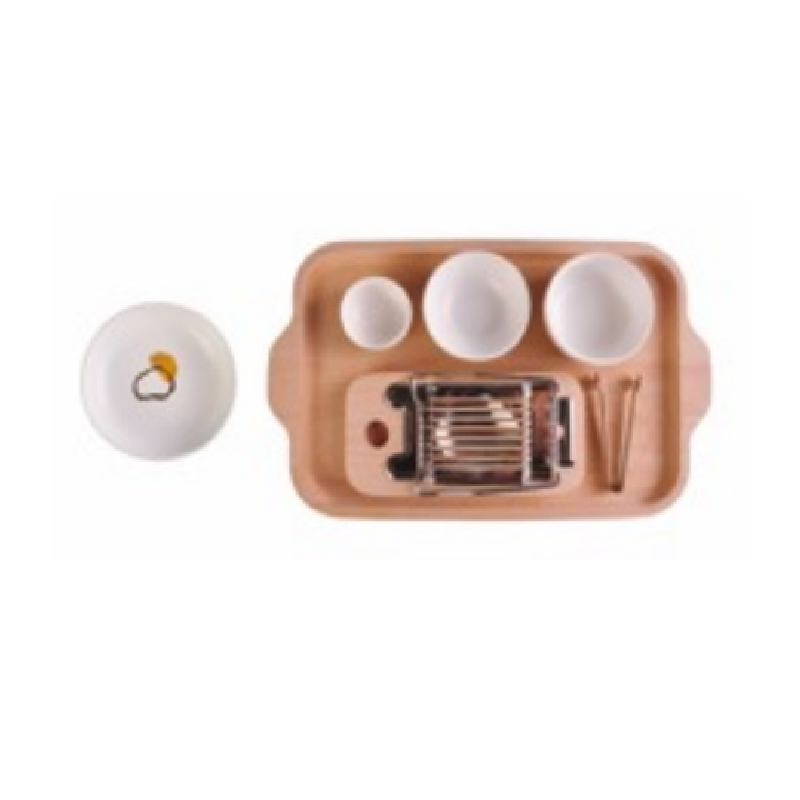
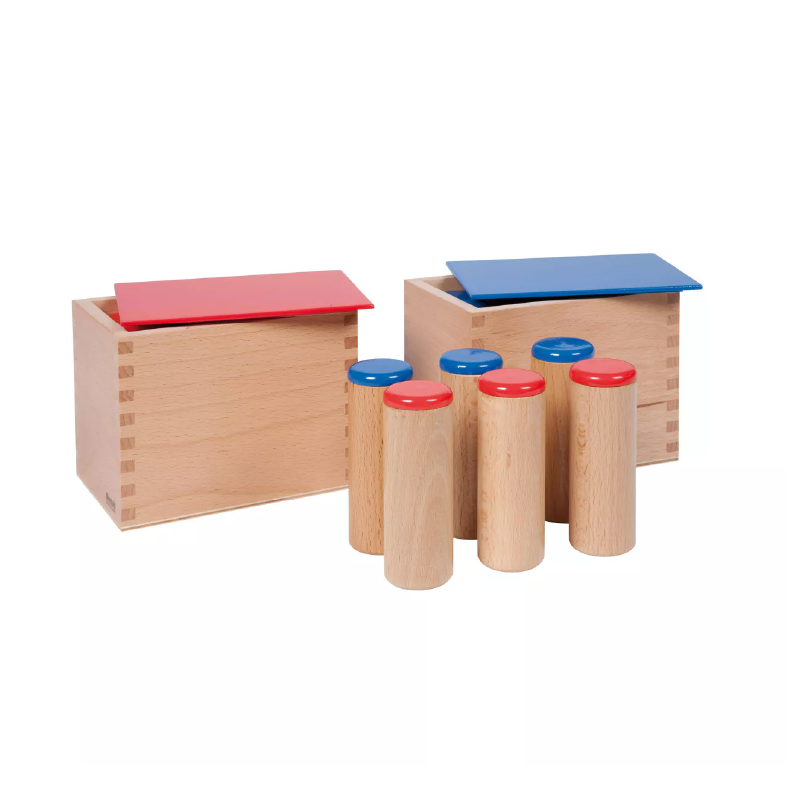
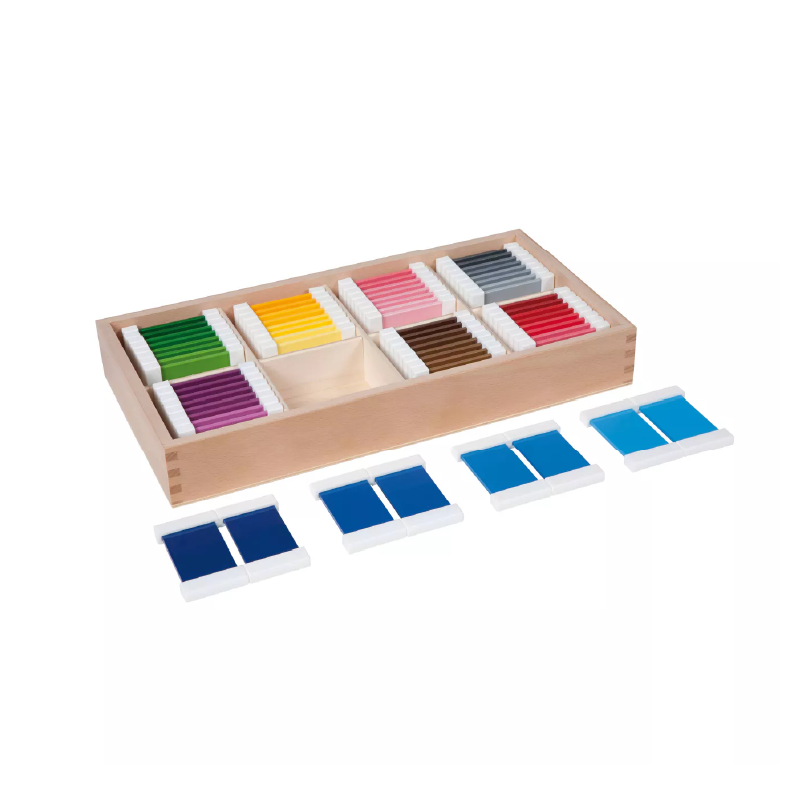
To support ease of use:
- Use wooden trays and shallow baskets to group all necessary components together
- Keep similar items within the same area or on the same shelf
- Ensure that all materials are complete, clean, and in good condition
- Avoid stacking or hiding materials that should be openly visible
Material rotation should happen regularly, but gradually. Observe which activities are no longer engaging and which new interests are emerging. Shelf updates should feel seamless to the child, never disruptive.
7. Add Finishing Touches
Beyond structure and materials, a Montessori classroom should feel peaceful, inspiring, and connected to the natural world. These finishing touches help transform the space into a nurturing environment that supports emotional well-being and a sense of belonging.
Incorporate natural elements like live plants, dried flowers, or rocks and shells gathered by the children. Use soft lighting when possible, allowing natural light to play a central role. Choose neutral color tones and wooden textures over plastic or overly bright visuals.
It’s also important to include:
- Displays of children’s artwork or class projects at eye level
- Photographs or illustrations that reflect cultural diversity and real-world beauty
- Soothing fabrics, woven rugs, or gentle textures in quiet corners
Avoid clutter and excessive wall decorations. In a Montessori environment, beauty comes from simplicity, order, and purpose.
8. Creating a Connection to the Outdoors
One of the most important aspects of a Montessori classroom is creating a connection between the indoor and outdoor environments. The world outside is vibrant and full of life, and the Montessori classroom layout should reflect this by encouraging children to step outside and engage with nature.


Design your classroom with easy access to an outdoor play area or garden, if possible. This connection can be as simple as placing outdoor materials near windows to draw children’s attention to the natural world or as elaborate as setting up an outdoor learning space that mirrors the classroom layout. Consider adding elements like a sensory garden, nature-inspired art projects, or outdoor exploration kits that allow children to engage with the natural world in a Montessori-style manner.
Schon kleine Details wie Naturbücher, Outdoor-Puzzles oder Materialien, die die Natur nachahmen, können dazu beitragen, die Natur ins Haus zu holen. Ziel ist es, die Grenzen zwischen Klassenzimmer und Natur zu verwischen und eine Lernumgebung zu schaffen, in der sich Kinder mit ihrer Umwelt verbunden fühlen.
9. Observe and Adjust
Designing a Montessori classroom layout is not a one-time task; it is an ongoing process of observation and refinement. Once the space is in use, the most important feedback comes from the children themselves. Spend time watching how children interact with the environment.
- Are certain areas being ignored?
- Is traffic flow smooth or congested?
- Do children care for the materials independently, or do they frequently seek adult help?
A responsive classroom layout evolves with its learners. Through continuous attention and care, the environment remains a living support for growth, exploration, and joyful learning.
Popular Themes for Montessori Classroom
Der Frühling ist eine Jahreszeit des Lebens, des Wachstums und der Erneuerung und damit ideal für die Einführung frischer und spannende Themen In Ihren Montessori-Unterricht. Indem Sie Ihre Unterrichtsaktivitäten auf die Schönheit der Frühlingsnatur abstimmen, können Sie Kinder zum Entdecken, Beobachten und Lernen durch praktische Erfahrungen inspirieren. Sehen wir uns einige beliebte Frühlingsthemen an, die Ihren Montessori-Unterricht bereichern und Neugier und Kreativität bei jungen Lernenden wecken können.
Der Lebenszyklus von Pflanzen und Blumen
Der Frühling ist die perfekte Zeit, um den faszinierenden Lebenszyklus von Pflanzen und Blumen zu erkunden. Kinder lernen, wie aus Samen Pflanzen und Blumen wachsen, und lernen so die Zyklen der Natur kennen. Materialien dazu sind beispielsweise Sequenzkarten mit den Wachstumsphasen, Bücher über Pflanzen und praktische Übungen zum Pflanzenanbau.
Im Klassenzimmer könnten Sie eine Gartenstation einrichten, an der Kinder Samen pflanzen, gießen und ihnen beim Wachsen zusehen können. Auch die Einbindung von Frühlingsblumen in Kunstprojekte, wie das Pressen von Blumen oder das Gestalten von Blumendrucken, fördert die Auseinandersetzung mit dem Thema. Dieses Thema fördert Verantwortungsbewusstsein und Wertschätzung für die Natur, da Kinder die Verbundenheit aller Lebewesen kennenlernen.

Insekten und Käfer
Im Frühling sind viele Insekten aktiver und daher eine spannende Zeit, um Kinder in die Welt der Insekten einzuführen. Dieses Thema hilft Kindern, verschiedene Insekten, ihre Lebensräume und ihre Rolle im Ökosystem kennenzulernen. Materialien wie Insektenfiguren, Lupen und Bücher zum Thema Insekten können die Neugier der Kinder wecken.
Richten Sie eine Insektenbeobachtungsstation mit lebenden Insekten oder Insektenmodellen ein, die Kinder studieren können. Sie können auch Aktivitäten einführen, bei denen Kinder Insekten sortieren und klassifizieren oder Insektenbasteleien wie Schmetterlingsabdrücke oder Insektenpuppen herstellen. Dies fördert die Feinmotorik der Kinder und vermittelt ihnen gleichzeitig etwas über Biologie und die Bedeutung von Insekten in der Natur, beispielsweise als Bestäuber wie Bienen.

Nutztiere und Gartenarbeit
Der Frühling ist die Zeit des neuen Lebens, und oft werden in dieser Jahreszeit Nutztiere geboren. Dieses Thema ermöglicht es Kindern, etwas über Tiere, ihre Jungen und die Verantwortung der Landwirtschaft zu lernen. Verwenden Sie Materialien wie Nutztierfiguren, Bilderbücher und Videos, um Kindern verschiedene Tiere und ihre Lebenszyklen näherzubringen.
Zusätzlich zu den Aktivitäten rund um Tiere können Sie eine kleine Gartenecke einrichten, in der Kinder Gemüse, Kräuter oder Blumen pflanzen können. Diese praktische Aktivität hilft Kindern, den Zusammenhang zwischen Tieren, Pflanzen und Lebensmittelproduktion kennenzulernen. Die Gestaltung eines Bauernhof-inspirierten Bereichs fördert das Verantwortungsbewusstsein und bringt Kindern gleichzeitig die Natur und ihre Kreisläufe näher.

Vögel und Migration
Wenn es im Frühling wärmer wird, kehren die Vögel von ihrem Zug zurück. Dies ist ein ideales Thema, um die faszinierende Welt der Vögel zu erkunden. Kinder lernen verschiedene Vogelarten, ihre Lebensräume und die Zugmuster der jeweiligen Jahreszeit kennen.
Richten Sie eine Vogelbeobachtungsstation mit Ferngläsern, Vogelbüchern und Bestimmungskarten ein. Ermutigen Sie Kinder, Vögel in ihrer Umgebung zu beobachten und zu dokumentieren. So können sie das im Unterricht Gelernte mit realen Erfahrungen verbinden. Aktivitäten wie das Anfertigen von Vogelhäuschen, Nestbau aus Naturmaterialien oder das Basteln von Vogelmasken für Rollenspiele können dieses Thema bereichern und ein tieferes Verständnis der Natur fördern.

Traditionelle Klassenzimmer vs. Montessori-Klassenzimmer
Traditionelle Klassenzimmer haben typischerweise eine strukturierte und lehrerzentrierte Anordnung. Die Tische sind in Reihen oder Gruppen angeordnet und zeigen alle zum Lehrer. Diese Anordnung fördert eine konzentrierte, lehrergeführte Atmosphäre, in der die Schüler Anweisungen zuhören, Notizen machen und einzeln oder in kleinen Gruppen arbeiten können. Die Bewegungsfreiheit im Klassenzimmer ist oft eingeschränkt, und die Schüler bleiben in der Regel an ihren Tischen sitzen. Diese Anordnung unterstützt traditionelle, vorlesungsbasierte Lehrmethoden, wobei der Lehrer vorne im Raum sitzt und die Klasse leitet und die Aktivitäten anleitet.
Im Gegensatz dazu sind Montessori-Klassenzimmer flexibler und schülerzentrierter gestaltet. Die Raumaufteilung fördert freie Bewegung durch offene Räume und Materialien auf niedrigen, leicht zugänglichen Regalen. Kinder können verschiedene Unterrichtsbereiche wie Alltag, Mathematik, Sprache und sensorische Stationen erkunden und Materialien nach ihren Interessen auswählen. Die Anordnung fördert Unabhängigkeit und aktives Lernen und ermöglicht es Kindern, sich in ihrem eigenen Tempo mit der Umgebung und den Materialien auseinanderzusetzen. Die Lehrkraft fungiert eher als Begleiter, der beobachtet und unterstützt, als dass er anleitet.

Während die traditionelle Klassenaufteilung auf Struktur und Ordnung setzt und der Lehrer im Mittelpunkt steht, fördert die Montessori-Klassenaufteilung das Entdecken, praktische Lernen und die Autonomie der Schüler. Dieser Unterschied in der Aufteilung spiegelt die Kernphilosophien beider Ansätze wider – der eine ist stärker lehrergesteuert, der andere fördert selbstgesteuertes, erfahrungsbasiertes Lernen.
| Aspekt | Traditionelles Klassenzimmer | Montessori-Klassenzimmer |
|---|---|---|
| Klassenzimmer-Layout | Lehrerzentriert, Tische in Reihen oder Gruppen. | Schülerzentriert, flexible Sitzgelegenheiten, freie Bewegung. |
| Rolle des Lehrers | Authority directs lessons and manages behavior. | Leitet, unterstützt die Selbstständigkeit, erleichtert das Lernen. |
| Lehrplan | Festgelegt, standardisiert für die Klasse. | Flexible, individualized, based on each child’s pace. |
| Lernmaterialien | Lehrbücher, Arbeitsblätter, von Lehrern erstellte Ressourcen. | Praktische, selbstkorrigierende Materialien, Werkzeuge in Kindergröße. |
| Atmosphäre im Klassenzimmer | Strukturiert, vom Lehrer kontrolliert. | Ruhig, respektvoll, kindgerecht. |
| Studentenbewegung | Eingeschränkt, Schüler bleiben sitzen. | Die Schüler werden dazu ermutigt, ihre Aktivitäten frei auszuwählen. |
| Zusammenarbeit | Konzentrieren Sie sich auf die individuelle Arbeit. | Schwerpunkt auf Zusammenarbeit und Peer-Learning. |
| Lernansatz | Lehrergeführt, vorlesungsbasiert. | Praxisorientiert, selbstgesteuert, entdeckungsbasiert. |
Abschluss
Zusammenfassend lässt sich sagen, dass eine durchdachte Gestaltung des Montessori-Klassenzimmers unerlässlich ist, um das Wachstum, die Kreativität und die Unabhängigkeit eines Kindes zu fördern. In diesem Artikel haben wir die wichtigsten Elemente einer Montessori-Umgebung untersucht und dabei betont, wie die Anordnung von Räumen und Materialien praktisches Lernen fördert und es Kindern ermöglicht, in ihrem eigenen Tempo zu entdecken. Ein gut organisiertes Klassenzimmer ist mehr als nur funktional – es ist ein dynamischer Raum, der Neugier weckt, Autonomie fördert und das Lernerlebnis verbessert.
Der Frühling bietet die perfekte Gelegenheit, Ihr Klassenzimmer zu erneuern oder neu zu gestalten. Die Jahreszeit der Erneuerung und des Wachstums bietet eine inspirierende Kulisse für die Modernisierung Ihrer Kindertagesstätte oder Vorschule und ist der ideale Zeitpunkt, um zu überlegen, wie Sie die räumliche Umgebung Ihren Schülern besser vermitteln können. Mit der richtigen Gestaltung wird Ihr Klassenzimmer zu einem Ort, der Lernen fördert und Neugier und Freude weckt.
At Winning Kidz, we specialize in providing high-quality Montessori-Möbel and products that are crafted to align with these principles. Our range of Montessori furniture is designed to maximize accessibility, functionality, and beauty in your classroom, helping you create an environment that supports your educational goals. Whether you’re updating an existing space or starting from scratch, we offer products that will help transform your classroom into a dynamic, inviting, and child-centered learning environment.

 German
  English
  Arabic
  French
  Italian
  Spanish
  Thai
Thai  Japanese
  Portuguese
  Russian
  Korean
  Vietnamese
  Indonesian
  Turkish
  Polish
  Swahili