
Have you ever walked into a kindergarten and felt the warmth, creativity and inspiration? Do you want to know how to create your own creative kindergarten classroom? Do you know any wonderful preschool classroom decorations?
Designing preschool classroom decorations is all about finding the perfect balance. It’s about creating a space that sparks curiosity, inspires learning, and feels welcoming without overstimulating young minds. From selecting calming yet cheerful color palettes to adding playful, interactive elements, every decoration plays an important role in shaping a child’s daily learning experience.
In this guide, you’ll find practical ideas, color inspirations, and decoration themes tailored for preschool settings. From wall displays to reading corners, we’ll explore how every detail can support children’s learning and emotional well-being — without overwhelming your classroom.
Okul Öncesi Sınıf Dekorasyonları Neden Önemlidir?
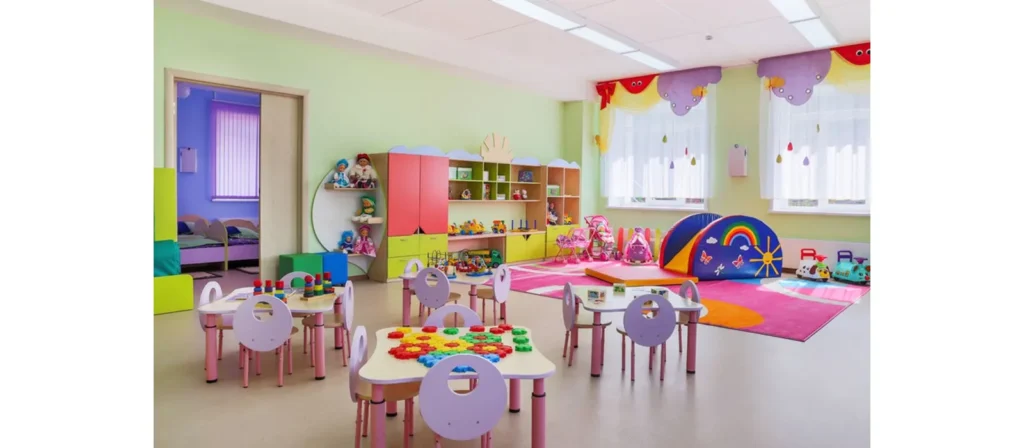
Sınıf Tasarımının Psikolojik Etkisi
Research suggests that colors, spatial organization, and visual stimuli significantly impact children’s learning abilities and emotional well-being. Bright, warm colors can energize children, while soft pastels promote calmness and focus. Defined spaces within the classroom provide structure and help children transition smoothly between activities.
Görsel Uyarımla Öğrenmeyi Teşvik Etmek
Children in their early years learn best through sensory experiences. Thoughtfully designed preschool classroom decorations, including educational posters, themed displays, and hands-on interactive elements, help reinforce learning concepts and encourage exploration.
Sosyal ve Duygusal Büyümeyi Teşvik Etmek
A well-decorated classroom supports not just academics but also social and emotional development. Displays that celebrate student achievements, diversity, and teamwork foster a sense of pride and inclusivity among children.
15 Preschool Classroom Decoration Ideas
Below are the 15 core ideas with practical guidance. Some entries include short project plans, supply lists, or implementation steps. You don’t need to implement every idea at once; pick the ones that match your program’s goals, space, and children’s needs.
1. Create a Calming Environment
One of the first and most critical decorating decisions is setting the emotional tone of a classroom. Preschoolers thrive when the environment feels safe, predictable, and warm. Instead of overwhelming every wall with bold colors or every ceiling with dangling mobiles, aim for visual balance. Research indicates that classrooms with excessive visual stimulation can actually hinder attention and learning: in one study, children in heavily decorated rooms were off‑task significantly more than in sparsely decorated spaces.
- Choose a restrained palette. Pick two base tones and a bright accent used sparingly. For example: warm cream, sage green, and sunflower yellow accents. Use these across rugs, baskets, and bulletin borders.
- Designate quiet zones. Use a soft rug and low canopy to define a reading/calm area. Keep that area free from high‑contrast posters or flashing lights.
- Limit visual clutter. Opt for a few meaningful displays instead of covering every wall. Leave “negative space” — blank wall sections that reduce visual noise and let children rest their eyes.
- Lighting choices. Use diffused light — sheer curtains for windows and a soft lamp in the calm corner. Avoid direct harsh fluorescent lighting over the entire gathering area.
2. Decorate a Reading Area
A classroom without a dedicated reading space is like a library without shelves. Reading corners are not just functional—they’re emotional havens for preschoolers. A cozy, well-decorated reading area can promote literacy, build emotional security, and foster independent exploration.
Use soft seating like beanbags or small armchairs. Install low bookshelves so children can access books on their own. Then add thematic wall décor that matches current reading topics—jungle animals, fairy tales, outer space.
You can also include:
- Hanging mobiles with letters or characters
- Cushioned rugs with alphabet patterns
- Simple fabric canopies to create a “nook” feeling
If you have windows nearby, add light curtains to filter natural light and prevent distractions. The goal is to make this area inviting and slightly enclosed.
3. Decorate the Classroom with Kids’ Art
Displaying children’s creations increases motivation, builds identity, and makes the classroom feel like a shared community. It’s high‑impact, low‑cost décor that showcases learning processes, not just final products.
- Rotating gallery walls with framed student pieces
- A clothesline with clips to hang paintings
- Laminated drawings with each child’s name below
Make sure art is hung at the child’s eye level. You’re not just creating décor—you’re building self-esteem. It’s also a subtle classroom management tool. When children feel proud of their environment, they’re more likely to care for it.
4. Ideas for Bulletin Boards
Bulletin boards can be decorative, functional, and instructional all at once. They’re not just placeholders—they’re storytelling spaces. With thoughtful design, bulletin boards can support themes, showcase learning progress, and communicate important information.
- Monthly themes like seasons, community helpers, or holidays
- Student portfolios with writing samples or artwork
- Behavioral charts using positive reinforcement visuals
- Letter/Number of the week boards
Keep your boards interactive when possible. Add Velcro elements, flip panels, or spaces for student input. The more children can manipulate or engage with the board, the better.
Limit yourself to one or two major bulletin boards in the classroom, and keep the rest of the wall space calm and breathable.
5. Fun Birthday Displays
Celebrating birthdays in preschool is a great decorating opportunity. it builds community, acknowledges each child, and adds joy. But it’s important to balance fun with focus and inclusivity. But instead of generic, store-bought birthday posters, make your display personal and meaningful.
- A “birthday train” with each child’s photo in a train car
- A cupcake wall with children’s names and birthday dates
- A simple timeline with month headers and child-made icons
- Use a consistent format and color scheme to create continuity.
6. Design a Visual Schedule Board
Young children thrive on routine. When they can see what’s coming next, they feel more in control—and less anxious. A visual schedule board shows the daily routine in pictures and words. You can attach visuals with Velcro or magnets to move them around.
Images with short word labels are suitable for emerging readers and older children. Post the schedule near the door or gathering area for easy reference each morning. Choose a location near a transition (e.g., entryway, carpeted area) and at children’s eye level.
7. Decorate with a Welcome Banner
The first thing children see when they enter the classroom matters. A welcome banner can immediately establish a positive tone for the day.
Avoid overly flashy, generic “WELCOME!” signs. Instead:
- Use multi-language greetings to reflect classroom diversity
- Incorporate student photos or self-portraits
- Use themes like rainbows, trees, or sunshine to make it cheerful
You can involve children in making the banner. This increases their connection to the space and helps transition them into the learning environment from the very first step through the door.
8. Decorate the Classroom Door
The classroom door is an everyday canvas. Use it to reflect your classroom identity, themes, or even seasonal topics. With thoughtful decoration, it can become an extension of your classroom identity and a daily point of engagement.
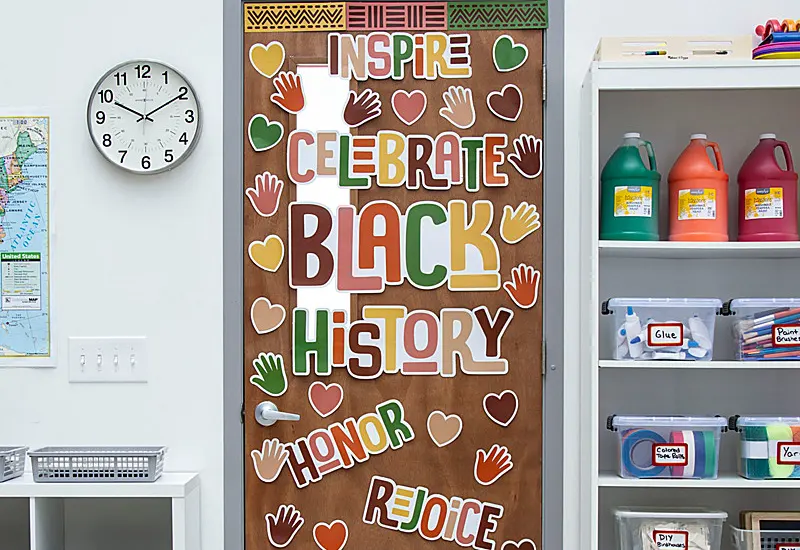
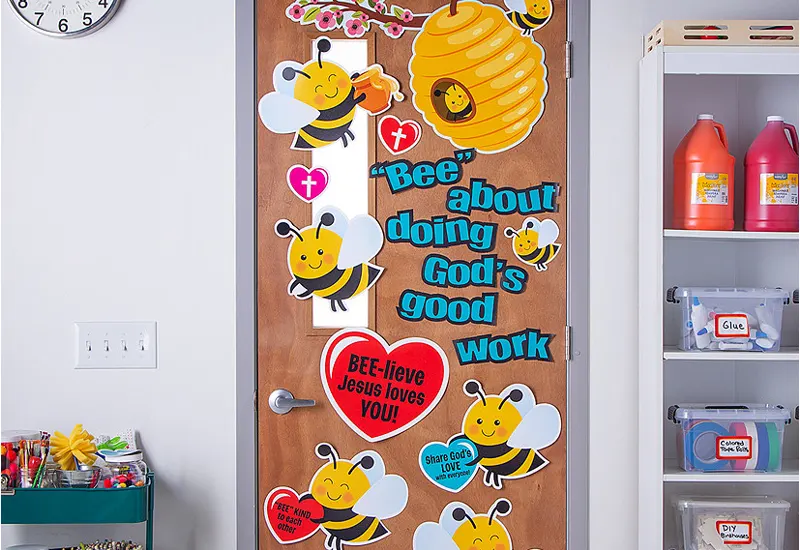
Ideas include:
- A “Who’s in Our Class?” door with children’s names and pictures
- A “Reading Adventure Starts Here” design for literacy-focused classrooms
- Seasonal or thematic displays like autumn leaves or space missions
9. Decorate the Windows and Ceiling
Many preschool teachers overlook the vertical space in the classroom. But the ceiling and windows are key visual elements in a child’s world. When decorated thoughtfully, they can bring warmth and depth to the classroom atmosphere.
Try these ideas:
- Paper lanterns or hanging pom-poms in thematic colors
- Mobiles representing seasons, numbers, or classroom mascots
- Window decals of animals, weather, or shapes
Be sure to balance visibility with safety. For windows, keep visibility clear at adult eye level but add designs at child height to make it engaging for them.
10. Use Rugs and Mats to Create Learning Areas
Floor decorations aren’t always visible. They’re also functional zones. Use rugs and mats to divide space and set behavioral expectations. Choose materials that are non-slip, easy to clean, and sized correctly for your classroom layout. Always opt for neutral or primary color schemes that match the overall classroom tone—not neon chaos.
11. DIY Wall Decor
DIY wall decorations are one of the most effective ways to bring personality and heart into your preschool classroom—without sacrificing budget or originality. Unlike store-bought posters that quickly become background noise, DIY décor invites participation, creativity, and connection.
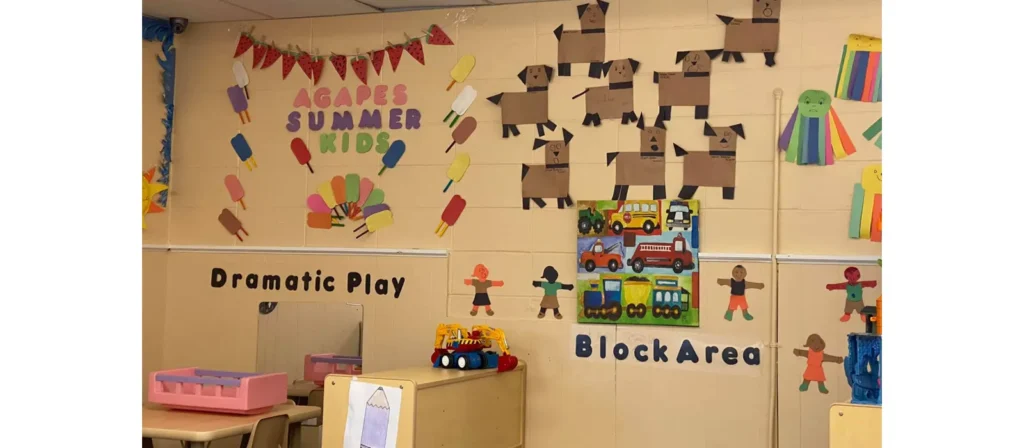
Here are DIY wall décor ideas:
- Create a “handprint tree” where each child adds their painted handprint as a leaf—then use it to track growth or seasons.
- Make a fabric or felt “learning journey” banner where children add personalized icons (e.g., “I learned to write my name,” “I counted to 20”).
- Use recycled magazine or paper scraps to create a colourful mosaic of shapes for a math wall.
- Use string and clothespins across a wall to display children’s current work.
- Have children help cut large letters or shapes for thematic walls and then allow them to place or arrange the pieces themselves.
- Laminate key visuals you use often so they last longer and can be reused year after year.
12. Creative Decorative Objects
While walls, boards, and rugs set the tone, the small decorative objects around your classroom are what give it warmth, depth, and storytelling. These elements should be intentional—not clutter—and always child-safe.
Classroom Mascots
Use a plush toy, puppet, or character figure as a “classroom mascot.” This character can sit on a shelf, participate in circle time, and even have its own name and backstory. It becomes a beloved member of the group and offers continuity.
Thematic Tabletop Displays
Create small decorative setups for the season or unit theme. For example:
- A basket of fall leaves, pinecones, and tiny pumpkins
- A globe, astronaut doll, and stars for space week
- Dinosaurs and faux fossils during a prehistoric unit
Keep these displays simple and child-accessible, using them to spark curiosity and discussion.
Repurposed Natural Materials
Use wooden bowls, stones, shells, or driftwood as both décor and manipulatives. They add texture and a sensory element to the environment, aligning well with Reggio and Montessori principles.
Family Photo Walls or Frames
A small corner with framed family photos helps create emotional security and connection. Each child can bring a family photo to display. This humanizes the room and helps children feel grounded.
Don’t overdo it—just a few key messages placed meaningfully can have a big impact.
13. Name Tags and Personalized Spaces
Personalization in the classroom helps each child feel valued and visible. At this developmental stage, children are forming a sense of identity, and seeing their name and picture on their cubby, seat, or project folder affirms their belonging in the classroom.
Name tags should be simple, clear, and easy to recognize. Ideally, they include the child’s name in large print alongside a visual cue, like a photo or a symbol. This helps children who are still developing literacy skills quickly locate their belongings. Teachers can even involve students in designing their own labels, giving them a sense of ownership and a creative opportunity to express themselves.
These personalized elements can extend beyond cubbies and tables. Mailboxes, supply bins, art drying racks, and classroom job charts can all be labeled with children’s names.
14. Music and Sound as Part of the Decor
While not visual, acoustic decorations can deeply influence the classroom atmosphere. Incorporating soft music, sound centers, or even musical instrument walls can enhance mood and support auditory learning.
Design ideas:
- A hanging bell wall where children can gently ring chimes
- A music corner with soft drums, maracas, or xylophones
- Background classical or nature soundtracks played during quiet time
Sound should be soothing, not overstimulating. Just like color and light, sound is an environmental tool that shapes behavior.
15. Reuse and Use Old Materials for Decorating
One of the most practical, sustainable, and creative decorating strategies is repurposing and reusing materials. This fosters resourcefulness, reduces cost, and often generates richer student‑centered décor.
Preschool decorating doesn’t need to strain your budget. Some of the most creative classroom spaces I’ve seen used entirely upcycled and repurposed materials.
- Turning old T-shirts into wall banners
- Using scrap fabric to create hanging flags
- Repurposing cardboard into student art canvases
- Framing sections of newspaper or old picture books
Okul Öncesi Sınıf Dekorasyonu Hususları
Decorating a preschool classroom may seem like a simple task, but in reality, it requires thoughtful consideration, strategic planning, and a strong understanding of child development. An effective preschool classroom should be colorful and cheerful, yes—but also functional, safe, and developmentally appropriate. Every visual element you introduce into the space should serve a purpose: to support learning, reinforce routines, build a sense of community, or encourage independence.
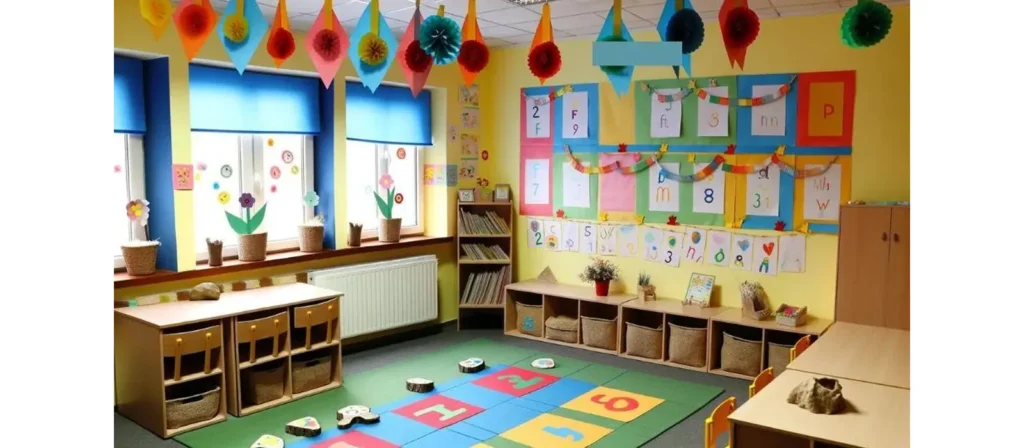
1. Use Bright Colors
Bright colors capture attention and create excitement. Young children are naturally drawn to vivid hues, and the right color palette can stimulate learning, reinforce themes, and differentiate classroom zones. However, the use of color should be intentional. Too much brightness everywhere can cause visual clutter and overstimulation.
2. Keep It at Eye Level
Since preschoolers spend most of their day sitting, playing, and walking close to the floor, decorations should be placed at their eye level. This helps children engage more meaningfully with visual aids, thematic displays, and instructional signage. It also fosters independence.
3. Keep Children Involved
When children help create or choose classroom decorations, they feel a sense of ownership and belonging. It fosters confidence and builds classroom community. Their contributions also reflect real learning and personal expression, making the décor more meaningful than store-bought posters.
4. Stay Organized
Young children rely heavily on structure. When decorations are messy or overdone, they blur those boundaries and confuse behavioral cues. Keeping things orderly doesn’t mean dull. It means that every visual element has a purpose, and everything has a place. Organized décor supports calmness, reduces conflict, and builds a productive learning environment where children feel secure.
5. Use Safe Materials
Safety should never be compromised in favor of aesthetics. All décor must be made from non-toxic, age-appropriate, and durable materials. Safety concerns include choking hazards, sharp edges, or flammable items. Ensuring all materials meet health and safety standards protects both children and staff, reducing risk during daily activities.
6. Keep Safety in Mind
Beyond material safety, decoration placement affects visibility, traffic flow, and emergency access. Hanging décor must be secure, exits must remain clear, and walkways must be free of tripping hazards. Designing with safety in mind prevents accidents and supports smooth classroom operations.
7. Choose the Right Furniture
Classroom decoration doesn’t start with posters and streamers—it starts with furniture. The layout, color, height, and placement of your tables, chairs, cubbies, and shelving units all play a role in how the classroom feels and functions.


- Select age‑appropriate furniture: Child‑sized tables, chairs, shelves at reachable heights.
- Consider flexible furniture: Pieces that can move easily or reconfigure support dynamic décor zones and seasonal changes.
- Furniture should serve dual purposes: For example, bookcases that display books cover‑out, or low cabinets with decorative tops to define zones and display children’s work.
- Matches the decor: Consistent finishes, clean lines, minimal patterns help décor and furniture feel unified.
- Durability and maintenance: Furniture for preschoolers must withstand active use, spills, and be easy to clean and rearrange.
8. Remember to Change Your Decor
Children thrive on novelty and seasonal rhythms. Updating classroom decorations throughout the year keeps the environment stimulating and relevant. Whether it’s monthly bulletin boards, seasonal themes, or rotating student artwork, a changing environment supports curiosity and engagement. It also reinforces concepts like time, transitions, and cycles. However, changes should be predictable and structured—not random. A consistent update schedule helps children anticipate change and adjust comfortably. Planning décor updates alongside curriculum themes is the most effective approach.
9. Control Your Budget
A well-decorated classroom doesn’t have to break the bank. Reusing materials, incorporating student artwork, and DIY projects can achieve meaningful, personalized décor without excessive spending. Budget-friendly choices also model sustainability and creative problem-solving for children.
How to Decorate Spaces with Different Functions?
İyi organize edilmiş bir sınıf, farklı aktiviteler için açıkça tanımlanmış alanlara sahip olmalıdır. Bu alanlar, çocukların belirli görevlerin nerede gerçekleştiğini anlamalarına yardımcı olur ve gün boyunca daha sorunsuz geçişleri destekler.
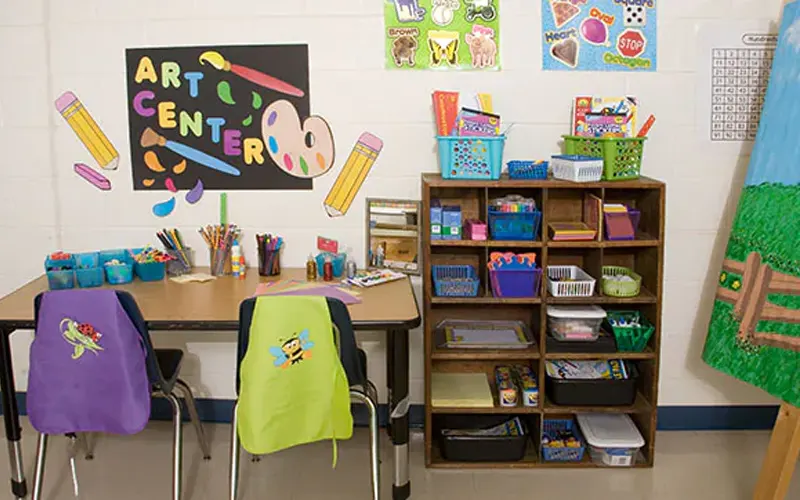
Okul Öncesi Sanat Merkezi
Bir sanat merkezi Yaratıcılığı ve kendini ifade etmeyi desteklemek için olmazsa olmazdır. Boya kalemleri, boyalar ve geri dönüştürülmüş el işi malzemeleri gibi çocuk dostu malzemelerle doldurun. Öğrencilerin sanat eserlerini sergilemek için renkli duvar sergileri ve kurutma rafları kullanın, alanı hem ilham verici hem de işlevsel hale getirin.
Okul Öncesi Bilim Merkezi
Pratik bir çalışma bilim merkezi merak ve keşif uyandırır. Alanı büyüteçler, duyusal kutular ve basit deneylerle donatın. Doğa, gezegenler ve insan vücudu posterleri, genç zihinleri soru sormaya ve keşfetmeye teşvik ederek ilgi çekici okul öncesi sınıf dekorasyonları olarak kullanılabilir.

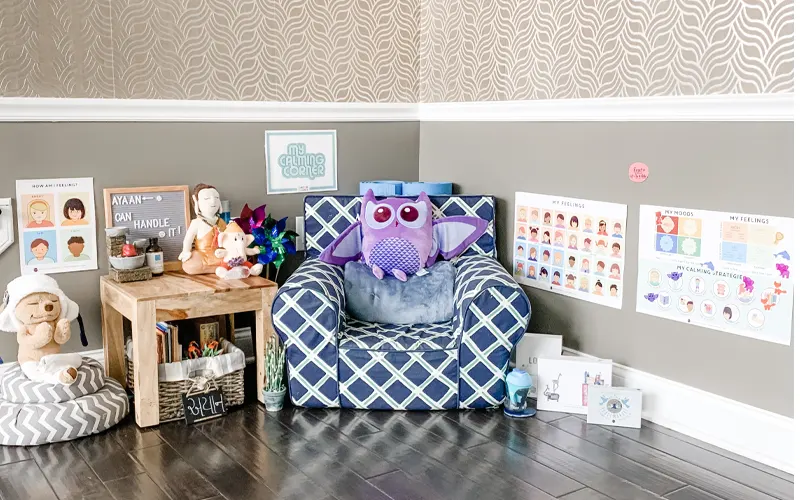
Sakinleştirici Köşe
A sakinleştirici köşe çocukların kendi kendilerini düzenlemelerine ve duygularını yönetmelerine yardımcı olur. Yumuşak oturma yerleri, soluk renkler ve stres oyuncakları veya ağırlıklı battaniyeler gibi duyusal öğeler kullanın. Yıldızlı gökyüzü gölgeliği veya yumuşak aydınlatma gibi doğa temalı dekorlar eklemek, alanı daha da rahatlatıcı hale getirebilir.
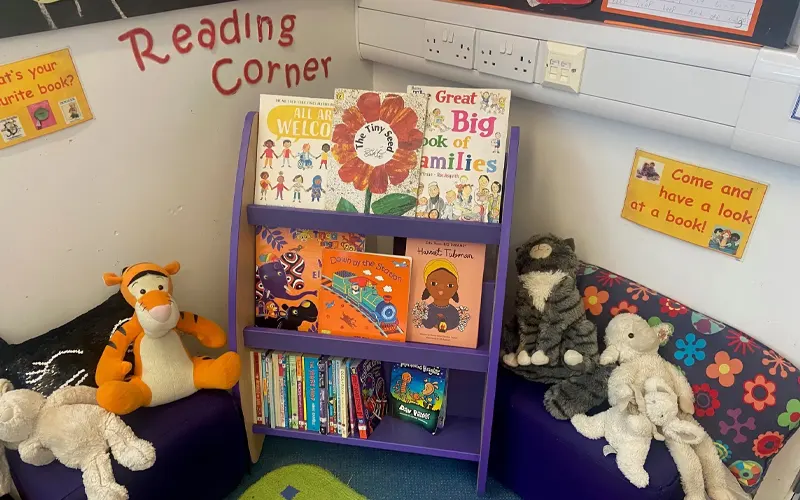
Sınıf Okuma Köşesi
Rahat bir okuma köşesi kitaplara olan sevgiyi teşvik eder. Rafları erişilebilir resimli kitaplarla düzenleyin, konfor için puflar veya yastıklar ekleyin ve davetkar bir edebi alan yaratmak için alfabe posterleri veya hikaye anlatımı temalı duvar çıkartmalarıyla dekore edin.
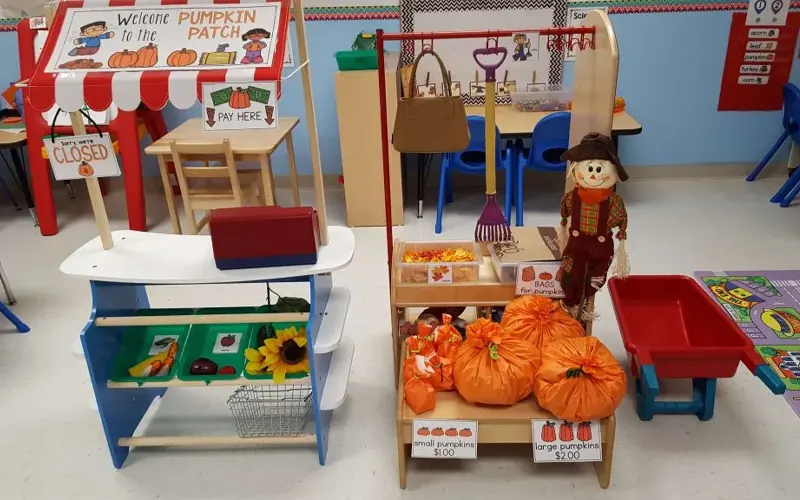
Dramatik Oyun Alanı
Dramatik oyun sosyal ve bilişsel becerileri geliştirir. İster hayali bir mutfak, ister bir mini market veya bir doktor muayenehanesi olsun, aksesuarlar ve temalı arka planlar hayali oyunları hayata geçirebilir. Çocuklar için alanı ilgi çekici tutmak için kurulumları düzenli olarak döndürün.
Mevsimsel Okul Öncesi Sınıf Dekorasyonları
Bir okul öncesi sınıfını mevsimlere göre dekore etmek ortamı taze, ilgi çekici ve eğitici tutar. Mevsimsel temalar çocukların doğayla bağ kurmasına, etraflarındaki dünyadaki değişiklikleri keşfetmesine ve özel günleri kutlamasına yardımcı olur. İster ilkbahar için parlak çiçekler, ister kış için rahatlatıcı kar taneleri olsun, mevsimsel okul öncesi sınıf dekorasyonları öğrenme atmosferini geliştirir ve sınıfı genç öğrenciler için heyecan verici bir yer haline getirir.
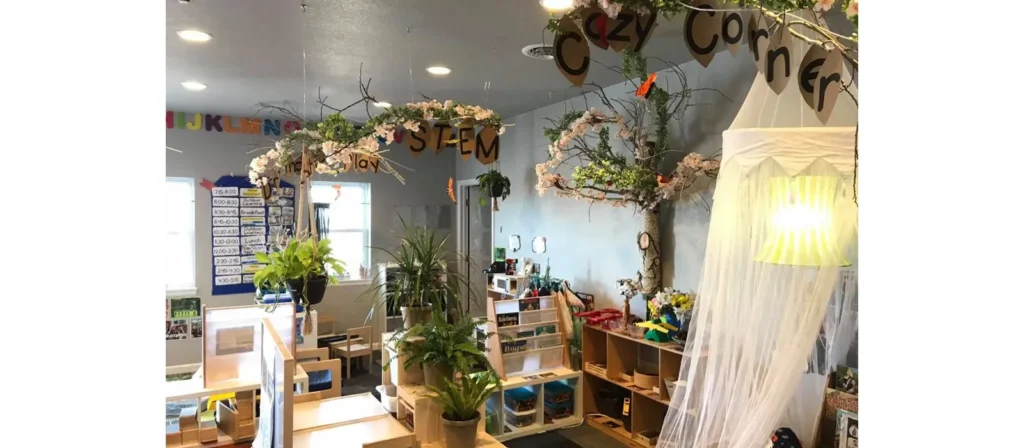
Bahar Okul Öncesi Sınıf Süslemeleri
İlkbahar, yenilenmenin mevsimidir; bu nedenle okul öncesi sınıf dekorasyonunda taze, renkli ve doğadan ilham alan temaları kullanmak için mükemmel bir zamandır.
- Duvar Dekorasyonları: Canlı bir ortam yaratmak için kelebek figürleri, çiçek çelenkleri ve gökkuşağı pankartları gibi okul öncesi sınıf duvar süslerini kullanın.
- Sınıf Kapı Süslemeleri:Okul öncesi sınıf kapısı dekorasyonu fikirlerini değerlendirin; örneğin kağıt çiçekler ve öğrencilerin isimlerinin taç yaprakları olarak kullanıldığı "Büyüyen Bahçe" kapısı gibi.
- Tavan Dekorasyonları:Kağıt bulutlar, yağmur damlaları ve güneş ışığı gibi süsleri asmak, mekanın aydınlık ve havadar hissetmesini sağlayabilir.
- Etkinlik Köşeleri:Çocukların küçük bitkiler veya otlar yetiştirebileceği, okul öncesi için bahçe temaları içeren sınıf dekorasyon fikirlerini içeren bir dikim istasyonu oluşturun.
- Yazdırılabilir Süslemeler: Okul öncesi sınıf dekorasyonlarında bahar temalı alfabe posterleri ve doğa temelli öğrenme çizelgeleri gibi yazdırılabilir materyaller kullanın.
Yaz Okul Öncesi Sınıf Süslemeleri
Yaz sınıf dekorasyonları sıcaklık, macera ve eğlenceli açık hava aktivitelerini yansıtmalıdır. Yaz aylarında okul öncesi için sınıf dekorasyon fikirleri genellikle plaj, okyanus ve kamp temalarını içerir.
- Duvar Dekoru:Okul öncesi sınıfında su altı dünyası yaratmak için duvar dekoruyla okyanus dalgalarını, balıkları ve deniz kabuklarını sergileyin.
- Temalı Sınıf Dekoru: Kullanmak okul öncesi sınıf teması Plaj topları, kumdan kaleler ve güneş gözlükleriyle eğlenceli bir atmosfer yaratan dekorasyon.
- Sınıf Pencereleri:Okul öncesi sınıf pencere dekorasyonlarını canlandırmak için renkli güneş çıkartmaları veya el izi sanatı ekleyin.
- Kendin Yap Dekor:Kağıt yelpazeler, uçurtmalar ve yel değirmenleri yaparak okul öncesi sınıf dekorunuzu kendiniz yapın.
Sonbahar Okul Öncesi Sınıf Süslemeleri
Sonbahar dekorasyonları sıcak tonlar, hasat temaları ve mevsimsel kutlamalar getirir. Okul öncesi sınıfları için sonbahar dekorasyonları genellikle balkabaklarına, yapraklara ve orman yaratıklarına odaklanır.
- Duvar ve Duyuru Panoları:Okul öncesi sınıf duvar dekorasyonunda düşen yapraklar, korkuluklar ve rahatlatıcı sonbahar sahnelerini kullanın.
- Sınıf Kapıları:Okul öncesi öğrencileri için sonbahar dönemi sınıf kapısı dekorasyonu fikirleriyle yaratıcılığınızı konuşturun; örneğin her öğrencinin isminin bir balkabağının üzerinde olduğu "Balkabağı Tarlası" gibi.
- Asılı Dekor:Okul öncesi sınıfının tavan süslemelerinde sonbahar yaprakları, meşe palamudu ve baykuşlar kullanılabilir.
- Etkileşimli Öğeler:Çocukların şükran notları ekledikleri bir şükran ağacı, okul öncesi sınıf dekorasyonu için harika bir fikirdir.
Kış Okul Öncesi Sınıf Süslemeleri
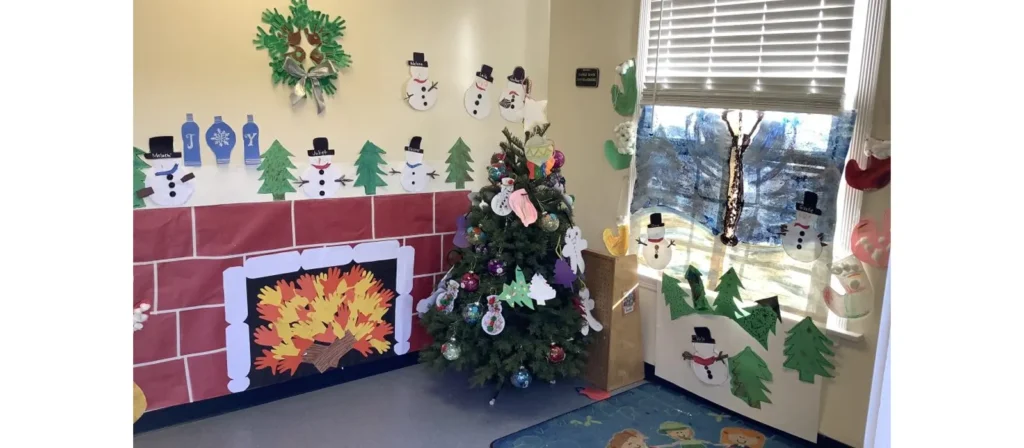
Kış temaları, kar taneleri, eldivenler ve şenlikli dekorasyonlarla rahat ve büyülü bir öğrenme ortamı yaratır. Okul öncesi sınıfları için kış dekorasyonları, çocukların kış havası ve tatiller hakkında bilgi edinirken heyecan yaratır.
- Duvar ve Pencere Dekorasyonları:Okul öncesi sınıflarında kar tanesi figürleri, buz sarkıtları ve kış hayvanları gibi kış dekorasyonlarını kullanın.
- Sınıf Kapıları:Okul öncesi sınıflar için kış sınıfı kapı dekorasyonu fikirleri arasında kardan adamlar ve kızak sahnesi içeren bir "Kış Harikalar Diyarı" teması yer alıyor.
- Tavan Dekoru: Şenlikli bir atmosfer yaratmak için pamuklu kar taneleri veya yumuşak ışıklar asın.
- Duyusal Alanlar:Sahte kar ve kış hayvan figürlerinin bulunduğu kar temalı duyusal kutu, okul öncesi sınıf dekorasyon temalarını geliştirir.
Tatil Okul Öncesi Sınıf Süslemeleri
Tatil dekorasyonları okul öncesi sınıflarını şenlikli ve heyecanlı hale getirir. Cadılar Bayramı, Şükran Günü veya Noel tatili olsun, okul öncesi sınıf dekorasyonları çocukların kültürel gelenekleri anlamalarına yardımcı olurken aynı zamanda mekana sıcaklık ve eğlence katar.
Okul Öncesi Cadılar Bayramı Sınıf Süslemeleri
Cadılar Bayramı süslemeleri sınıfa eğlenceli ve ürkütücü bir hava katar. Okul öncesi sınıfındaki Cadılar Bayramı süslemeleri eğlenceli olmalı ve çok korkutucu olmamalıdır.

- Duvar Dekorasyonları:Okul öncesi sınıf dekorasyonlarını kullanın; dost canlısı hayaletler, balkabakları ve yarasalar gibi.
- Sınıf Kapıları:Okul öncesi sınıf kapısı süsleme fikirleri arasında "Dost Canavar" veya "Balkabağı Tarlası" teması yer alabilir.
- Etkileşimli Dekor: "Şaka mı Şeker mi" sayma tahtası, öğrenmeyi pekiştirirken sınıfın okul öncesi dekorasyonunun bir parçası olabilir.
- Kendin Yap El Sanatları:Çocukları sınıflarını dekore etmek için kağıttan jack-o'-lantern ve örümcek ağı yapmaya teşvik edin.
Şükran Günü Okul Öncesi Sınıf Süslemeleri
Şükran Günü dekoru minnettarlığa, hasada ve birlikteliğe odaklanır. Şükran Günü için okul öncesi sınıf dekoru sıcak sonbahar tonları ve tematik öğeler içerebilir.
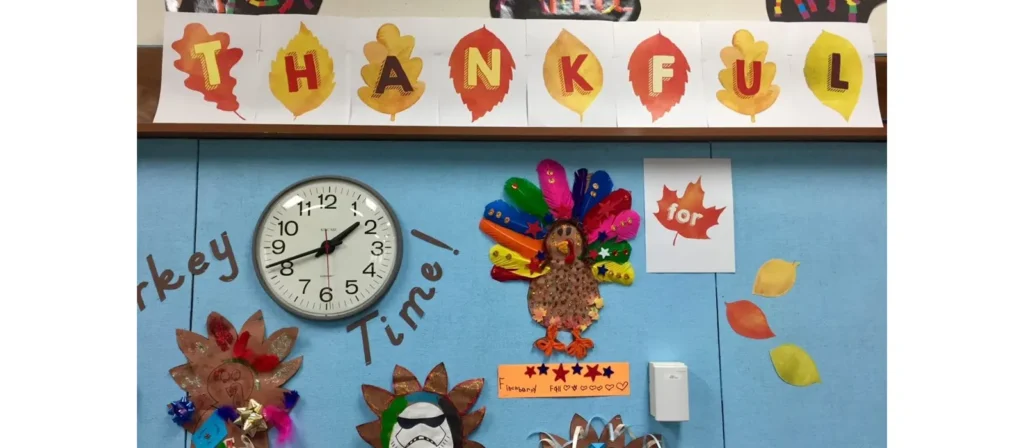
- Duvar ve Duyuru Panoları:Öğrencilerin şükranlarını ifade eden yapraklarla yaptıkları "Şükran Ağacı", okul öncesi sınıf duvarlarında ilgi çekici bir dekor oluşturabilir.
- Sınıf Kapı Süslemeleri:Okul öncesi sınıf kapı süsleri, öğrencilerin el izlerinin tüy olarak kullanıldığı hindi gibi süslemeler kişisel bir dokunuş katıyor.
- Masa Süslemeleri:Sınıf öncesi sınıf öğeleri için kağıt balkabakları, bereket boynuzları ve sonbahar çelenkleri gibi süslemeler kullanın.
Okul Öncesi Noel Sınıf Süslemeleri
Noel süsleri okul öncesi ortamına neşe ve sıcaklık getirir. Okul öncesi Noel sınıf süsleri tatil renkleri, şenlikli karakterler ve rahatlatıcı kış temaları içerebilir.
Yazdırılabilir Dekor: Tatil temalı alfabe çizelgeleri ve sayı posterleri gibi okul öncesi sınıf süslemeleri yazdırılabilir, şenlikli bir öğrenme dokunuşu katar.
Duvar ve Tavan Dekoru:Okul öncesi sınıfında kar taneleri, yılbaşı ağaçları ve yanıp sönen ışıklar gibi yılbaşı süsleri kullanın.
Sınıf Kapıları:Okul öncesi sınıf kapısı süsleme fikirleri arasında “Noel Baba Atölyesi” veya “Zencefilli Ev” teması yer alabilir.
Noel El Sanatları Köşesi: Okul öncesi sınıf dekorasyonu fikirleri arasında kendin yap süs yapma istasyonu da yer alabilir.
Çözüm
Okul öncesi sınıf dekorasyonları, küçük çocuklar için öğrenme deneyimini şekillendirmede önemli bir rol oynar. İyi dekore edilmiş bir sınıf görsel uyarım sağlar, etkileşimi teşvik eder ve yaratıcılığı besler. Temaları dikkatlice seçerek, etkileşimli öğeler kullanarak ve mevsimsel ve tatil dekorlarını dahil ederek, eğitimciler dinamik ve ilgi çekici bir öğrenme ortamı yaratabilirler.
Etkileşimli panolardan doğadan ilham alan dekorasyonlara kadar, sınıfın her öğesi öğrenmeyi desteklerken alanı davetkar ve keyifli hale getirmelidir. Dekorasyonlar hem işlevsel hem de eğlenceli olmalı, çocukların okul öncesi sınıflarına adım attıkları her gün ilham aldıklarından emin olmalıdır.
Öğretmenler ortamı sürekli yenileyerek öğrencilerin ilgisini canlı tutabilir ve öğrenmeye karşı heyecan duymalarını sağlayabilir, böylece yaşam boyu sürecek bir merak ve yaratıcılık için temel oluşturabilirler.


 Turkish
  English
  Arabic
  French
  Italian
  German
  Spanish
  Thai
Thai  Japanese
  Portuguese
  Russian
  Korean
  Vietnamese
  Indonesian
  Polish
  Swahili