
Have you ever walked into a kindergarten and felt the warmth, creativity and inspiration? Do you want to know how to create your own creative kindergarten classroom? Do you know any wonderful preschool classroom decorations?
Designing preschool classroom decorations is all about finding the perfect balance. It’s about creating a space that sparks curiosity, inspires learning, and feels welcoming without overstimulating young minds. From selecting calming yet cheerful color palettes to adding playful, interactive elements, every decoration plays an important role in shaping a child’s daily learning experience.
In this guide, you’ll find practical ideas, color inspirations, and decoration themes tailored for preschool settings. From wall displays to reading corners, we’ll explore how every detail can support children’s learning and emotional well-being — without overwhelming your classroom.
Mengapa Dekorasi Ruang Kelas Prasekolah Penting?
Dampak Psikologis Desain Kelas
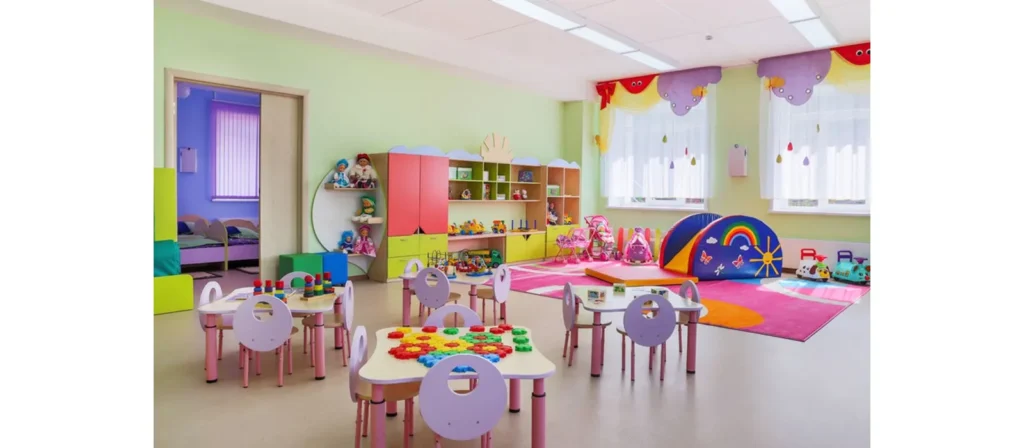
Research suggests that colors, spatial organization, and visual stimuli significantly impact children’s learning abilities and emotional well-being. Bright, warm colors can energize children, while soft pastels promote calmness and focus. Defined spaces within the classroom provide structure and help children transition smoothly between activities.
Mendorong Pembelajaran Melalui Stimulasi Visual
Children in their early years learn best through sensory experiences. Thoughtfully designed preschool classroom decorations, including educational posters, themed displays, and hands-on interactive elements, help reinforce learning concepts and encourage exploration.
Mempromosikan Pertumbuhan Sosial dan Emosional
A well-decorated classroom supports not just academics but also social and emotional development. Displays that celebrate student achievements, diversity, and teamwork foster a sense of pride and inclusivity among children.
15 Preschool Classroom Decoration Ideas
Below are the 15 core ideas with practical guidance. Some entries include short project plans, supply lists, or implementation steps. You don’t need to implement every idea at once; pick the ones that match your program’s goals, space, and children’s needs.
1. Create a Calming Environment
One of the first and most critical decorating decisions is setting the emotional tone of a classroom. Preschoolers thrive when the environment feels safe, predictable, and warm. Instead of overwhelming every wall with bold colors or every ceiling with dangling mobiles, aim for visual balance. Research indicates that classrooms with excessive visual stimulation can actually hinder attention and learning: in one study, children in heavily decorated rooms were off‑task significantly more than in sparsely decorated spaces.
- Choose a restrained palette. Pick two base tones and a bright accent used sparingly. For example: warm cream, sage green, and sunflower yellow accents. Use these across rugs, baskets, and bulletin borders.
- Designate quiet zones. Use a soft rug and low canopy to define a reading/calm area. Keep that area free from high‑contrast posters or flashing lights.
- Limit visual clutter. Opt for a few meaningful displays instead of covering every wall. Leave “negative space” — blank wall sections that reduce visual noise and let children rest their eyes.
- Lighting choices. Use diffused light — sheer curtains for windows and a soft lamp in the calm corner. Avoid direct harsh fluorescent lighting over the entire gathering area.
2. Decorate a Reading Area
A classroom without a dedicated reading space is like a library without shelves. Reading corners are not just functional—they’re emotional havens for preschoolers. A cozy, well-decorated reading area can promote literacy, build emotional security, and foster independent exploration.
Use soft seating like beanbags or small armchairs. Install low bookshelves so children can access books on their own. Then add thematic wall décor that matches current reading topics—jungle animals, fairy tales, outer space.
You can also include:
- Hanging mobiles with letters or characters
- Cushioned rugs with alphabet patterns
- Simple fabric canopies to create a “nook” feeling
If you have windows nearby, add light curtains to filter natural light and prevent distractions. The goal is to make this area inviting and slightly enclosed.
3. Decorate the Classroom with Kids’ Art
Displaying children’s creations increases motivation, builds identity, and makes the classroom feel like a shared community. It’s high‑impact, low‑cost décor that showcases learning processes, not just final products.
- Rotating gallery walls with framed student pieces
- A clothesline with clips to hang paintings
- Laminated drawings with each child’s name below
Make sure art is hung at the child’s eye level. You’re not just creating décor—you’re building self-esteem. It’s also a subtle classroom management tool. When children feel proud of their environment, they’re more likely to care for it.
4. Ideas for Bulletin Boards
Bulletin boards can be decorative, functional, and instructional all at once. They’re not just placeholders—they’re storytelling spaces. With thoughtful design, bulletin boards can support themes, showcase learning progress, and communicate important information.
- Monthly themes like seasons, community helpers, or holidays
- Student portfolios with writing samples or artwork
- Behavioral charts using positive reinforcement visuals
- Letter/Number of the week boards
Keep your boards interactive when possible. Add Velcro elements, flip panels, or spaces for student input. The more children can manipulate or engage with the board, the better.
Limit yourself to one or two major bulletin boards in the classroom, and keep the rest of the wall space calm and breathable.
5. Fun Birthday Displays
Celebrating birthdays in preschool is a great decorating opportunity. it builds community, acknowledges each child, and adds joy. But it’s important to balance fun with focus and inclusivity. But instead of generic, store-bought birthday posters, make your display personal and meaningful.
- A “birthday train” with each child’s photo in a train car
- A cupcake wall with children’s names and birthday dates
- A simple timeline with month headers and child-made icons
- Use a consistent format and color scheme to create continuity.
6. Design a Visual Schedule Board
Young children thrive on routine. When they can see what’s coming next, they feel more in control—and less anxious. A visual schedule board shows the daily routine in pictures and words. You can attach visuals with Velcro or magnets to move them around.
Images with short word labels are suitable for emerging readers and older children. Post the schedule near the door or gathering area for easy reference each morning. Choose a location near a transition (e.g., entryway, carpeted area) and at children’s eye level.
7. Decorate with a Welcome Banner
The first thing children see when they enter the classroom matters. A welcome banner can immediately establish a positive tone for the day.
Avoid overly flashy, generic “WELCOME!” signs. Instead:
- Use multi-language greetings to reflect classroom diversity
- Incorporate student photos or self-portraits
- Use themes like rainbows, trees, or sunshine to make it cheerful
You can involve children in making the banner. This increases their connection to the space and helps transition them into the learning environment from the very first step through the door.
8. Decorate the Classroom Door
The classroom door is an everyday canvas. Use it to reflect your classroom identity, themes, or even seasonal topics. With thoughtful decoration, it can become an extension of your classroom identity and a daily point of engagement.
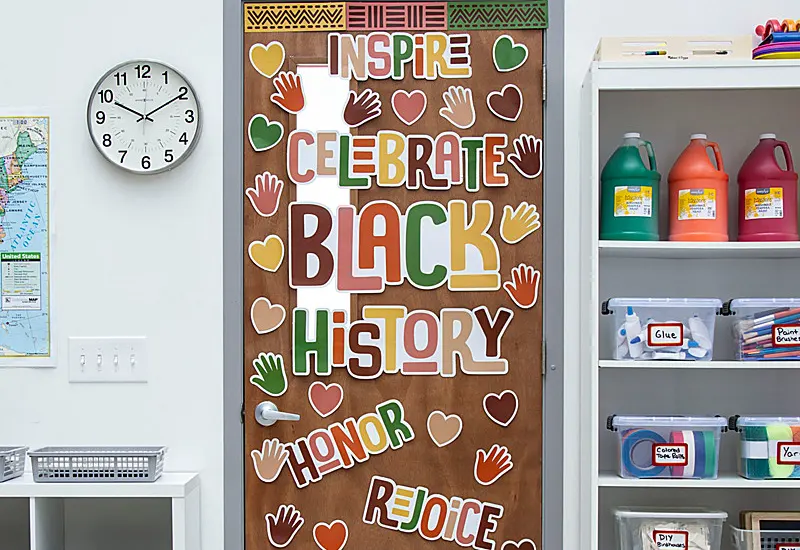
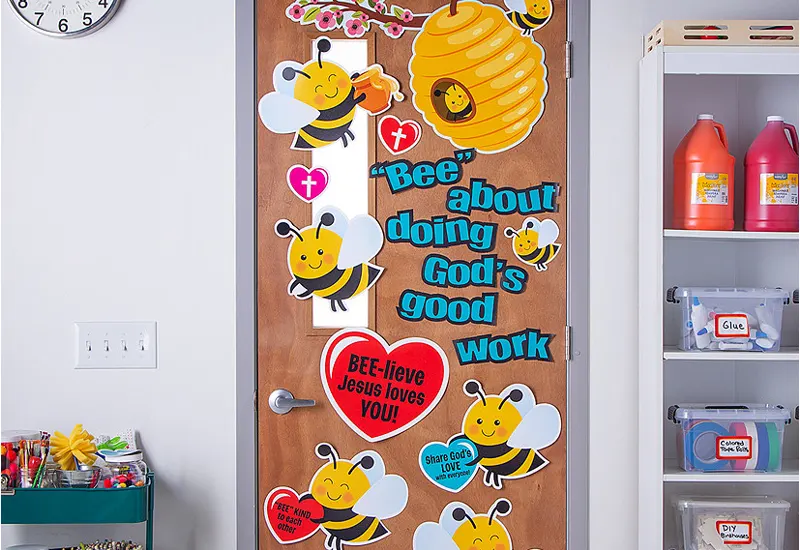
Ideas include:
- A “Who’s in Our Class?” door with children’s names and pictures
- A “Reading Adventure Starts Here” design for literacy-focused classrooms
- Seasonal or thematic displays like autumn leaves or space missions
9. Decorate the Windows and Ceiling
Many preschool teachers overlook the vertical space in the classroom. But the ceiling and windows are key visual elements in a child’s world. When decorated thoughtfully, they can bring warmth and depth to the classroom atmosphere.
Try these ideas:
- Paper lanterns or hanging pom-poms in thematic colors
- Mobiles representing seasons, numbers, or classroom mascots
- Window decals of animals, weather, or shapes
Be sure to balance visibility with safety. For windows, keep visibility clear at adult eye level but add designs at child height to make it engaging for them.
10. Use Rugs and Mats to Create Learning Areas
Floor decorations aren’t always visible. They’re also functional zones. Use rugs and mats to divide space and set behavioral expectations. Choose materials that are non-slip, easy to clean, and sized correctly for your classroom layout. Always opt for neutral or primary color schemes that match the overall classroom tone—not neon chaos.
11. DIY Wall Decor
DIY wall decorations are one of the most effective ways to bring personality and heart into your preschool classroom—without sacrificing budget or originality. Unlike store-bought posters that quickly become background noise, DIY décor invites participation, creativity, and connection.
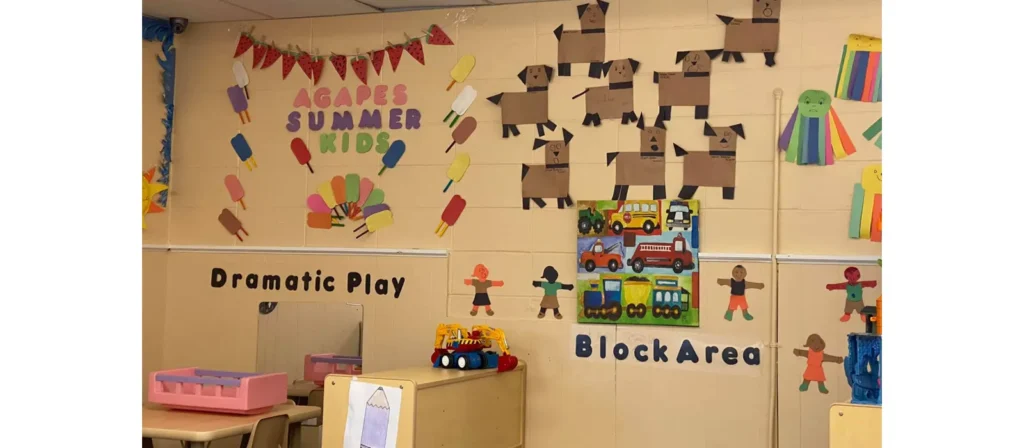
Here are DIY wall décor ideas:
- Create a “handprint tree” where each child adds their painted handprint as a leaf—then use it to track growth or seasons.
- Make a fabric or felt “learning journey” banner where children add personalized icons (e.g., “I learned to write my name,” “I counted to 20”).
- Use recycled magazine or paper scraps to create a colourful mosaic of shapes for a math wall.
- Use string and clothespins across a wall to display children’s current work.
- Have children help cut large letters or shapes for thematic walls and then allow them to place or arrange the pieces themselves.
- Laminate key visuals you use often so they last longer and can be reused year after year.
12. Creative Decorative Objects
While walls, boards, and rugs set the tone, the small decorative objects around your classroom are what give it warmth, depth, and storytelling. These elements should be intentional—not clutter—and always child-safe.
Classroom Mascots
Use a plush toy, puppet, or character figure as a “classroom mascot.” This character can sit on a shelf, participate in circle time, and even have its own name and backstory. It becomes a beloved member of the group and offers continuity.
Thematic Tabletop Displays
Create small decorative setups for the season or unit theme. For example:
- A basket of fall leaves, pinecones, and tiny pumpkins
- A globe, astronaut doll, and stars for space week
- Dinosaurs and faux fossils during a prehistoric unit
Keep these displays simple and child-accessible, using them to spark curiosity and discussion.
Repurposed Natural Materials
Use wooden bowls, stones, shells, or driftwood as both décor and manipulatives. They add texture and a sensory element to the environment, aligning well with Reggio and Montessori principles.
Family Photo Walls or Frames
A small corner with framed family photos helps create emotional security and connection. Each child can bring a family photo to display. This humanizes the room and helps children feel grounded.
Don’t overdo it—just a few key messages placed meaningfully can have a big impact.
13. Name Tags and Personalized Spaces
Personalization in the classroom helps each child feel valued and visible. At this developmental stage, children are forming a sense of identity, and seeing their name and picture on their cubby, seat, or project folder affirms their belonging in the classroom.
Name tags should be simple, clear, and easy to recognize. Ideally, they include the child’s name in large print alongside a visual cue, like a photo or a symbol. This helps children who are still developing literacy skills quickly locate their belongings. Teachers can even involve students in designing their own labels, giving them a sense of ownership and a creative opportunity to express themselves.
These personalized elements can extend beyond cubbies and tables. Mailboxes, supply bins, art drying racks, and classroom job charts can all be labeled with children’s names.
14. Music and Sound as Part of the Decor
While not visual, acoustic decorations can deeply influence the classroom atmosphere. Incorporating soft music, sound centers, or even musical instrument walls can enhance mood and support auditory learning.
Design ideas:
- A hanging bell wall where children can gently ring chimes
- A music corner with soft drums, maracas, or xylophones
- Background classical or nature soundtracks played during quiet time
Sound should be soothing, not overstimulating. Just like color and light, sound is an environmental tool that shapes behavior.
15. Reuse and Use Old Materials for Decorating
One of the most practical, sustainable, and creative decorating strategies is repurposing and reusing materials. This fosters resourcefulness, reduces cost, and often generates richer student‑centered décor.
Preschool decorating doesn’t need to strain your budget. Some of the most creative classroom spaces I’ve seen used entirely upcycled and repurposed materials.
- Turning old T-shirts into wall banners
- Using scrap fabric to create hanging flags
- Repurposing cardboard into student art canvases
- Framing sections of newspaper or old picture books
Pertimbangan Dekorasi Ruang Kelas Prasekolah
Decorating a preschool classroom may seem like a simple task, but in reality, it requires thoughtful consideration, strategic planning, and a strong understanding of child development. An effective preschool classroom should be colorful and cheerful, yes—but also functional, safe, and developmentally appropriate. Every visual element you introduce into the space should serve a purpose: to support learning, reinforce routines, build a sense of community, or encourage independence.
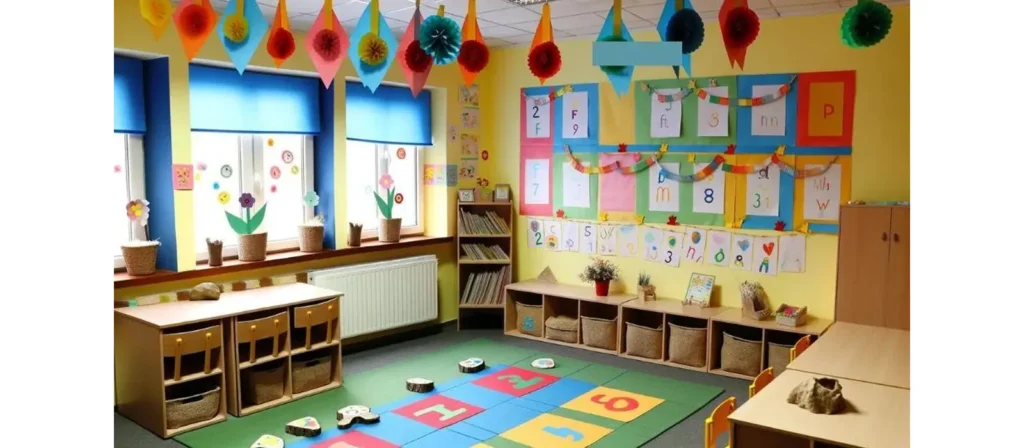
1. Use Bright Colors
Bright colors capture attention and create excitement. Young children are naturally drawn to vivid hues, and the right color palette can stimulate learning, reinforce themes, and differentiate classroom zones. However, the use of color should be intentional. Too much brightness everywhere can cause visual clutter and overstimulation.
2. Keep It at Eye Level
Since preschoolers spend most of their day sitting, playing, and walking close to the floor, decorations should be placed at their eye level. This helps children engage more meaningfully with visual aids, thematic displays, and instructional signage. It also fosters independence.
3. Keep Children Involved
When children help create or choose classroom decorations, they feel a sense of ownership and belonging. It fosters confidence and builds classroom community. Their contributions also reflect real learning and personal expression, making the décor more meaningful than store-bought posters.
4. Stay Organized
Young children rely heavily on structure. When decorations are messy or overdone, they blur those boundaries and confuse behavioral cues. Keeping things orderly doesn’t mean dull. It means that every visual element has a purpose, and everything has a place. Organized décor supports calmness, reduces conflict, and builds a productive learning environment where children feel secure.
5. Use Safe Materials
Safety should never be compromised in favor of aesthetics. All décor must be made from non-toxic, age-appropriate, and durable materials. Safety concerns include choking hazards, sharp edges, or flammable items. Ensuring all materials meet health and safety standards protects both children and staff, reducing risk during daily activities.
6. Keep Safety in Mind
Beyond material safety, decoration placement affects visibility, traffic flow, and emergency access. Hanging décor must be secure, exits must remain clear, and walkways must be free of tripping hazards. Designing with safety in mind prevents accidents and supports smooth classroom operations.
7. Choose the Right Furniture
Classroom decoration doesn’t start with posters and streamers—it starts with furniture. The layout, color, height, and placement of your tables, chairs, cubbies, and shelving units all play a role in how the classroom feels and functions.


- Select age‑appropriate furniture: Child‑sized tables, chairs, shelves at reachable heights.
- Consider flexible furniture: Pieces that can move easily or reconfigure support dynamic décor zones and seasonal changes.
- Furniture should serve dual purposes: For example, bookcases that display books cover‑out, or low cabinets with decorative tops to define zones and display children’s work.
- Matches the decor: Consistent finishes, clean lines, minimal patterns help décor and furniture feel unified.
- Durability and maintenance: Furniture for preschoolers must withstand active use, spills, and be easy to clean and rearrange.
8. Remember to Change Your Decor
Children thrive on novelty and seasonal rhythms. Updating classroom decorations throughout the year keeps the environment stimulating and relevant. Whether it’s monthly bulletin boards, seasonal themes, or rotating student artwork, a changing environment supports curiosity and engagement. It also reinforces concepts like time, transitions, and cycles. However, changes should be predictable and structured—not random. A consistent update schedule helps children anticipate change and adjust comfortably. Planning décor updates alongside curriculum themes is the most effective approach.
9. Control Your Budget
A well-decorated classroom doesn’t have to break the bank. Reusing materials, incorporating student artwork, and DIY projects can achieve meaningful, personalized décor without excessive spending. Budget-friendly choices also model sustainability and creative problem-solving for children.
How to Decorate Spaces with Different Functions?
Ruang kelas yang terorganisasi dengan baik harus memiliki area yang jelas untuk berbagai aktivitas. Ruang-ruang ini membantu anak-anak memahami di mana tugas-tugas tertentu dilakukan dan mendukung transisi yang lebih lancar sepanjang hari.
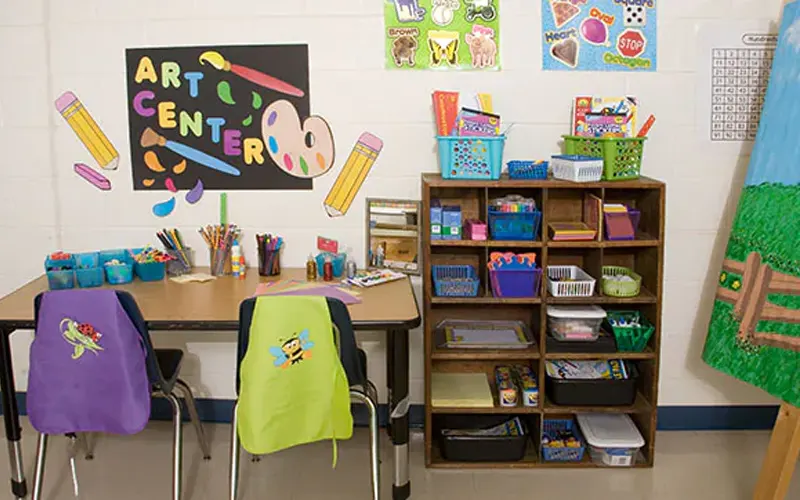
Pusat Seni Prasekolah
Sebuah pusat seni merupakan hal yang wajib dimiliki untuk menumbuhkan kreativitas dan ekspresi diri. Isilah dengan bahan-bahan yang ramah anak seperti krayon, cat, dan perlengkapan kerajinan daur ulang. Gunakan pajangan dinding berwarna-warni dan rak pengering untuk memamerkan karya seni siswa, yang menjadikan ruang tersebut inspiratif dan fungsional.
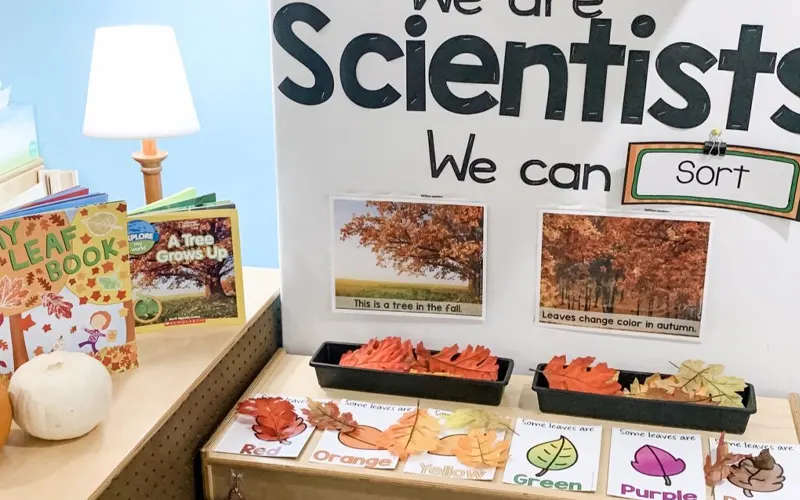
Pusat Sains Prasekolah
Sebuah praktik pusat sains memicu rasa ingin tahu dan eksplorasi. Lengkapi area tersebut dengan kaca pembesar, wadah sensorik, dan eksperimen sederhana. Poster tentang alam, planet, dan tubuh manusia dapat berfungsi sebagai dekorasi kelas prasekolah yang menarik, mendorong anak-anak untuk bertanya dan menemukan.
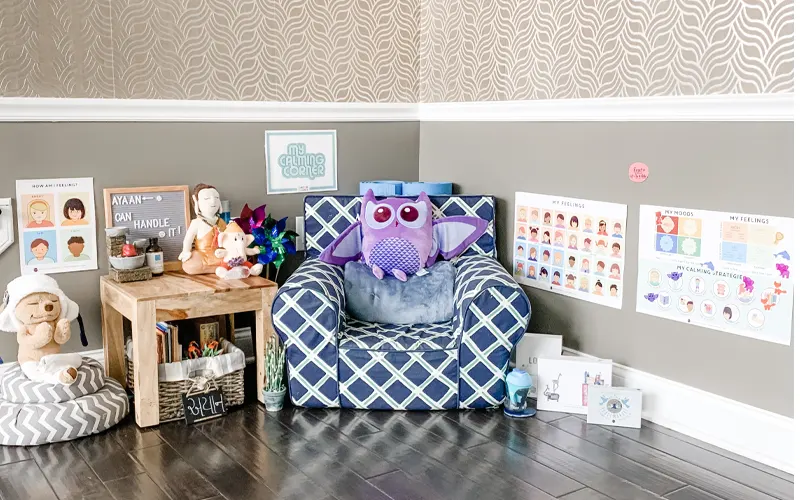
Pojok Menenangkan
A sudut menenangkan membantu anak-anak mengatur diri sendiri dan mengelola emosi. Gunakan tempat duduk yang empuk, warna kalem, dan elemen sensorik seperti mainan fidget atau selimut berbobot. Menambahkan dekorasi bertema alam, seperti kanopi langit berbintang atau pencahayaan yang lembut, dapat membuat ruangan lebih menenangkan.
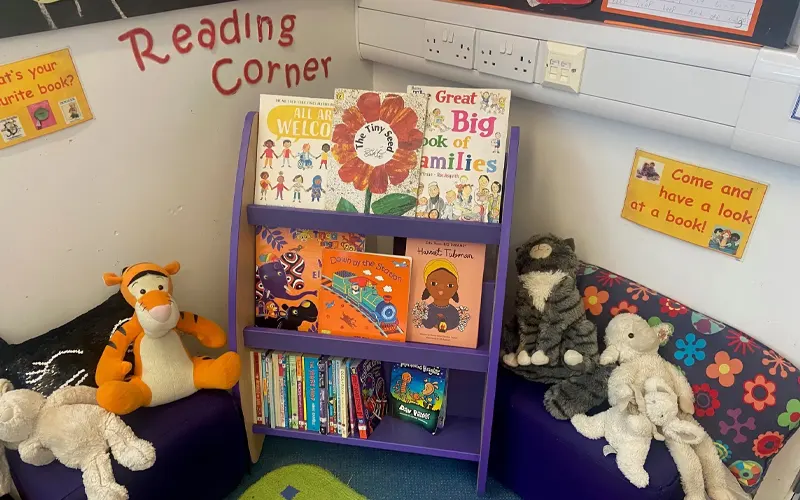
Pojok Baca Kelas
Sudut baca yang nyaman menumbuhkan kecintaan pada buku. Tata rak dengan buku bergambar yang mudah diakses, tambahkan bean bag atau bantal untuk kenyamanan, dan hiasi dengan poster alfabet atau stiker dinding bertema cerita untuk menciptakan ruang sastra yang menarik.
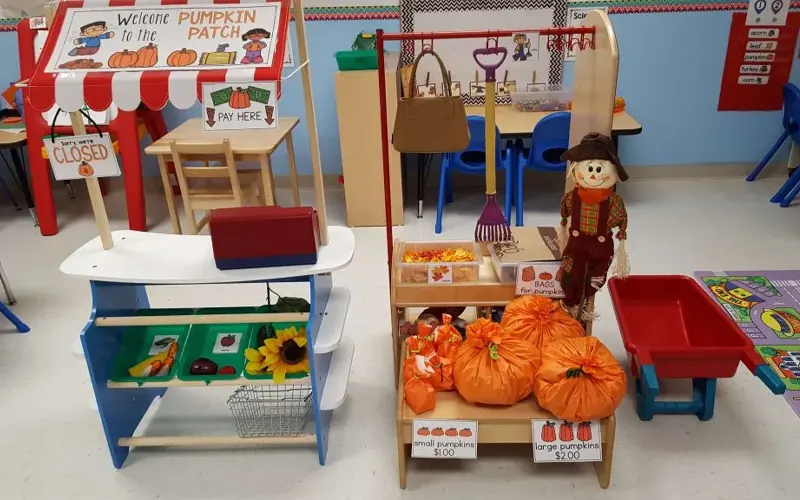
Area Bermain Dramatis
Drama meningkatkan keterampilan sosial dan kognitif. Baik itu dapur pura-pura, minimarket, atau kantor dokter, alat peraga dan latar belakang bertema dapat menghidupkan permainan imajinatif. Ganti pengaturan secara berkala agar ruangan tetap menarik bagi anak-anak.
Dekorasi Kelas Prasekolah Musiman
Mendekorasi ruang kelas prasekolah sesuai musim membuat lingkungan tetap segar, menarik, dan mendidik. Tema musiman membantu anak-anak terhubung dengan alam, menjelajahi perubahan di dunia sekitar mereka, dan merayakan acara-acara khusus. Baik itu bunga-bunga cerah untuk musim semi atau kepingan salju yang nyaman untuk musim dingin, dekorasi ruang kelas prasekolah musiman meningkatkan suasana belajar dan menjadikan ruang kelas sebagai tempat yang menyenangkan bagi pelajar muda.
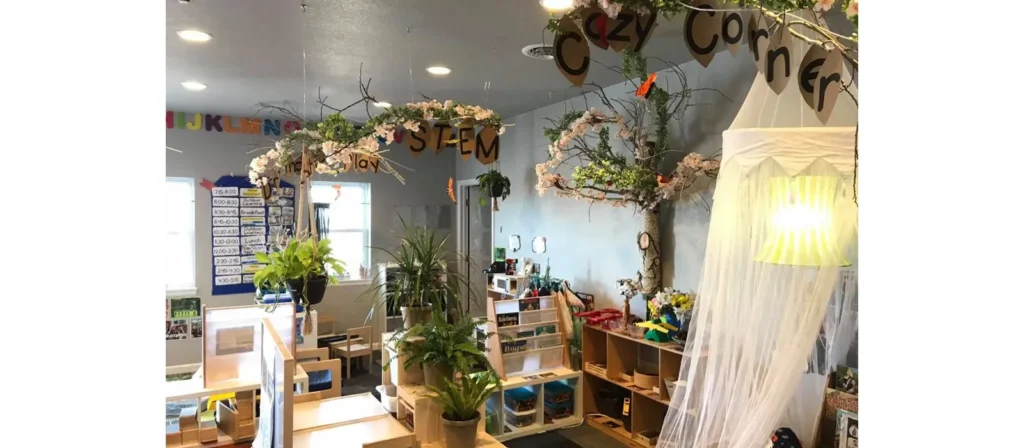
Dekorasi Kelas Prasekolah Musim Semi
Musim semi adalah musim pembaruan, menjadikannya waktu yang tepat untuk memasukkan tema dekorasi kelas prasekolah yang segar, penuh warna, dan terinspirasi alam.
- Dekorasi Dinding: Untuk menciptakan suasana yang semarak, gunakan dekorasi dinding kelas prasekolah seperti potongan kupu-kupu, rangkaian bunga, dan spanduk pelangi.
- Dekorasi Pintu KelasPertimbangkan ide dekorasi pintu kelas untuk prasekolah, seperti pintu “Taman Tumbuh” dengan bunga kertas dan nama siswa sebagai kelopaknya.
- Dekorasi Plafon: Dekorasi gantung seperti awan kertas, tetesan air hujan, dan sinar matahari dapat membuat ruangan terasa terang dan lapang.
- Pojok Aktivitas: Buat stasiun penanaman di mana anak-anak dapat menanam tanaman kecil atau herba, dengan menggabungkan ide dekorasi kelas untuk prasekolah dengan tema taman.
- Dekorasi yang Dapat Dicetak: Gunakan materi cetak dekorasi kelas prasekolah seperti poster alfabet bertema musim semi dan bagan pembelajaran berbasis alam.
Dekorasi Kelas Prasekolah Musim Panas
Dekorasi kelas musim panas harus mencerminkan kehangatan, petualangan, dan aktivitas luar ruangan yang menyenangkan. Ide dekorasi kelas untuk prasekolah di musim panas sering kali mencakup tema pantai, laut, dan berkemah.
- Dekorasi Dinding: Tampilkan ombak laut, ikan, dan kerang dengan dekorasi dinding untuk ruang kelas prasekolah guna menciptakan dunia bawah laut.
- Dekorasi Kelas Bertema: Menggunakan tema kelas prasekolah dekorasi yang menampilkan bola pantai, istana pasir, dan kacamata hitam untuk suasana yang menyenangkan.
- Jendela Kelas: Tambahkan stiker matahari berwarna-warni atau seni cetakan tangan untuk mencerahkan dekorasi jendela kelas prasekolah.
- Dekorasi DIY:Gabungkan dekorasi kelas prasekolah DIY dengan membuat kipas kertas, layang-layang, dan kincir angin.
Dekorasi Kelas Prasekolah Musim Gugur
Dekorasi musim gugur menghadirkan nuansa hangat, tema panen, dan perayaan musiman. Dekorasi musim gugur untuk kelas prasekolah sering kali berfokus pada labu, dedaunan, dan hewan hutan.
- Dinding & Papan PengumumanGunakan ide dekorasi dinding kelas untuk prasekolah dengan dedaunan yang berguguran, orang-orangan sawah, dan pemandangan musim gugur yang nyaman.
- Pintu Kelas: Berkreasilah dengan ide-ide dekorasi pintu kelas musim gugur untuk prasekolah, seperti “Ladang Labu” dengan nama setiap siswa pada labu.
- Dekorasi Gantung: Dekorasi langit-langit kelas prasekolah dapat menampilkan dedaunan musim gugur, biji pohon ek, dan burung hantu.
- Elemen Interaktif: Pohon rasa syukur tempat anak-anak menambahkan catatan rasa syukur merupakan ide dekorasi ruang kelas prasekolah yang hebat.
Dekorasi Kelas Prasekolah Musim Dingin
Tema musim dingin menciptakan lingkungan belajar yang nyaman dan ajaib dengan kepingan salju, sarung tangan, dan dekorasi yang meriah. Dekorasi musim dingin untuk kelas prasekolah menghadirkan kegembiraan saat anak-anak belajar tentang cuaca musim dingin dan hari libur.
- Dekorasi Dinding & Jendela: Gunakan dekorasi musim dingin di ruang kelas prasekolah seperti potongan kepingan salju, untaian es, dan hewan musim dingin.
- Pintu Kelas:Ide dekorasi pintu kelas musim dingin untuk prasekolah meliputi tema “Winter Wonderland” dengan manusia salju dan pemandangan kereta luncur.
- Dekorasi Plafon: Gantung kepingan salju kapas atau lampu lembut untuk suasana yang meriah.
- Area Sensorik: Tempat bermain sensori bertema salju dengan salju palsu dan patung hewan musim dingin menyempurnakan tema dekorasi kelas untuk prasekolah.
Dekorasi Ruang Kelas Prasekolah untuk Liburan
Dekorasi hari raya membuat ruang kelas prasekolah menjadi meriah dan menyenangkan. Baik itu liburan Halloween, Thanksgiving, atau Natal, dekorasi ruang kelas prasekolah membantu anak-anak memahami tradisi budaya sekaligus menambah kehangatan dan keceriaan di ruang kelas.
Dekorasi Kelas Halloween Prasekolah
Dekorasi Halloween menghadirkan suasana seram yang menyenangkan di ruang kelas. Dekorasi Halloween di ruang kelas prasekolah harus menyenangkan dan tidak terlalu menakutkan.

- Dekorasi DindingGunakan dekorasi kelas untuk prasekolah, seperti hantu yang ramah, labu, dan kelelawar.
- Pintu Kelas: Ide dekorasi pintu kelas prasekolah dapat mencakup tema “Monster Ramah” atau “Ladang Labu”.
- Dekorasi Interaktif:Papan hitung “Trick-or-Treat” dapat menjadi bagian dari dekorasi kelas prasekolah sambil memperkuat pembelajaran.
- Kerajinan DIY: Dorong anak-anak untuk membuat lentera labu dan jaring laba-laba dari kertas untuk menghias kelas.
Dekorasi Ruang Kelas Prasekolah Thanksgiving
Dekorasi Thanksgiving berfokus pada rasa syukur, panen, dan kebersamaan. Dekorasi kelas prasekolah untuk Thanksgiving dapat mencakup warna musim gugur yang hangat dan elemen tematik.
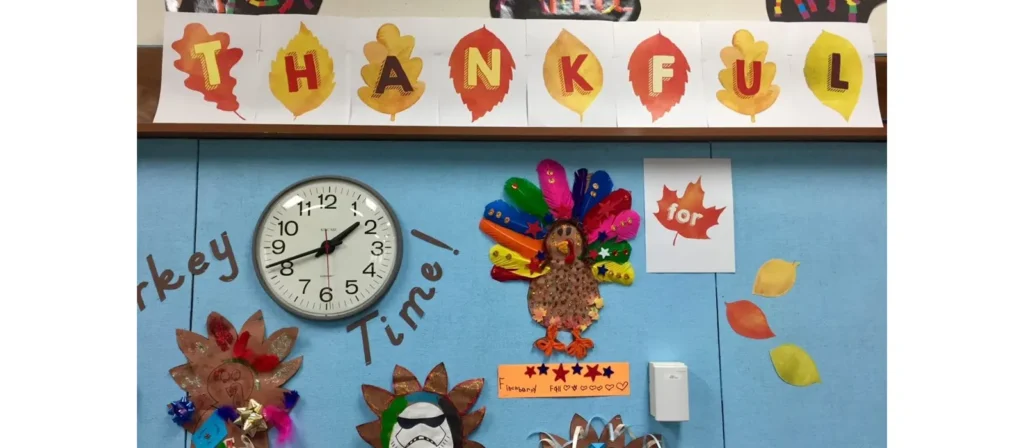
- Dinding & Papan Pengumuman:“Pohon Ucapan Syukur” dengan daun buatan siswa yang mengekspresikan rasa syukur menjadi dekorasi dinding kelas prasekolah yang menarik.
- Dekorasi Pintu Kelas: Dekorasi pintu kelas prasekolah seperti kalkun dengan cetakan tangan siswa sebagai bulunya menambah sentuhan pribadi.
- Dekorasi Meja: Gunakan dekorasi untuk elemen prasekolah di kelas seperti labu kertas, tumpah ruah, dan karangan bunga musim gugur.
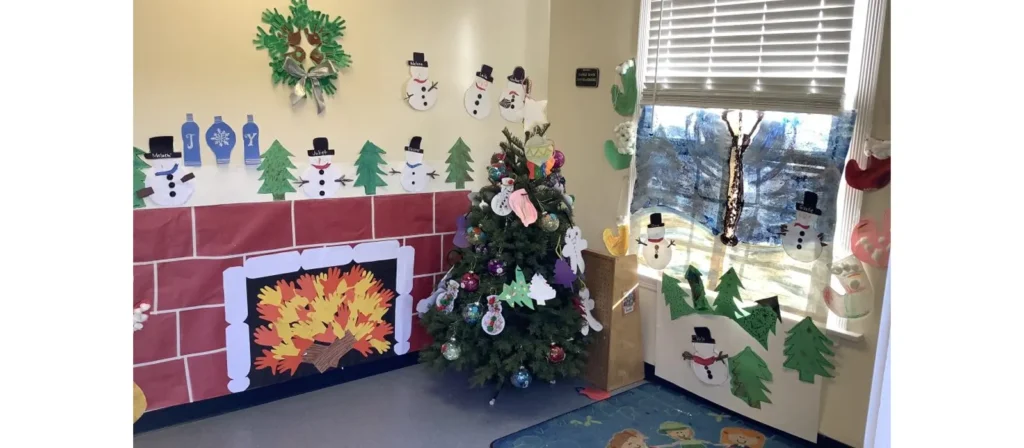
Dekorasi Kelas Natal Prasekolah
Dekorasi Natal menghadirkan kegembiraan dan kehangatan bagi lingkungan prasekolah. Dekorasi kelas Natal prasekolah dapat menampilkan warna-warna liburan, karakter-karakter yang meriah, dan tema-tema musim dingin yang nyaman.
Dekorasi yang Dapat Dicetak: Dekorasi kelas prasekolah yang dapat dicetak, seperti bagan alfabet bertema liburan dan poster angka, menambahkan sentuhan pembelajaran yang meriah.
Dekorasi Dinding & Langit-langitGunakan dekorasi Natal, seperti kepingan salju, pohon Natal, dan lampu berkelap-kelip, di ruang kelas prasekolah.
Pintu Kelas: Ide dekorasi pintu kelas prasekolah mencakup tema “Bengkel Sinterklas” atau “Rumah Roti Jahe”.
Pojok Kerajinan Natal: Ide dekorasi kelas Natal prasekolah dapat mencakup stasiun pembuatan hiasan DIY.
Kesimpulan
Dekorasi ruang kelas prasekolah berperan penting dalam membentuk pengalaman belajar bagi anak-anak. Ruang kelas yang didekorasi dengan baik memberikan stimulasi visual, mendorong interaksi, dan menumbuhkan kreativitas. Dengan memilih tema secara cermat, menggunakan elemen interaktif, dan memadukan dekorasi musiman dan hari raya, para pendidik dapat menciptakan lingkungan belajar yang dinamis dan menarik.
Dari papan pengumuman interaktif hingga dekorasi yang terinspirasi alam, setiap elemen ruang kelas harus mendukung pembelajaran sekaligus membuat ruang terasa nyaman dan menyenangkan. Dekorasi harus fungsional sekaligus menyenangkan, memastikan anak-anak merasa terinspirasi setiap hari saat memasuki ruang kelas prasekolah.
Dengan terus-menerus menyegarkan lingkungan, guru dapat membuat siswa tetap terlibat dan bersemangat dalam belajar, menciptakan landasan bagi keingintahuan dan kreativitas seumur hidup.


 Indonesian
  English
  Arabic
  French
  Italian
  German
  Spanish
  Thai
Thai  Japanese
  Portuguese
  Russian
  Korean
  Vietnamese
  Turkish
  Polish
  Swahili