
Have you ever walked into a kindergarten and felt the warmth, creativity and inspiration? Do you want to know how to create your own creative kindergarten classroom? Do you know any wonderful preschool classroom decorations?
Designing preschool classroom decorations is all about finding the perfect balance. It’s about creating a space that sparks curiosity, inspires learning, and feels welcoming without overstimulating young minds. From selecting calming yet cheerful color palettes to adding playful, interactive elements, every decoration plays an important role in shaping a child’s daily learning experience.
In this guide, you’ll find practical ideas, color inspirations, and decoration themes tailored for preschool settings. From wall displays to reading corners, we’ll explore how every detail can support children’s learning and emotional well-being — without overwhelming your classroom.
¿Por qué son importantes las decoraciones para las aulas preescolares?
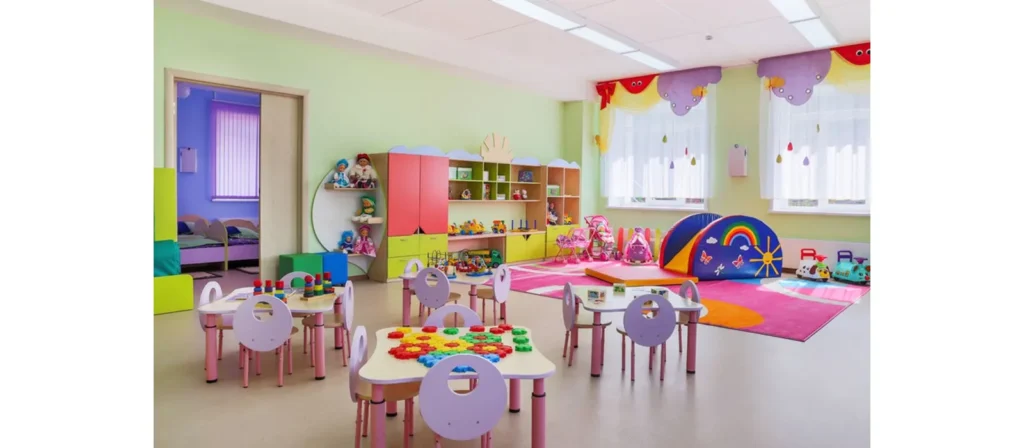
El impacto psicológico del diseño del aula
Research suggests that colors, spatial organization, and visual stimuli significantly impact children’s learning abilities and emotional well-being. Bright, warm colors can energize children, while soft pastels promote calmness and focus. Defined spaces within the classroom provide structure and help children transition smoothly between activities.
Fomentar el aprendizaje mediante la estimulación visual
Children in their early years learn best through sensory experiences. Thoughtfully designed preschool classroom decorations, including educational posters, themed displays, and hands-on interactive elements, help reinforce learning concepts and encourage exploration.
Promoviendo el crecimiento social y emocional
A well-decorated classroom supports not just academics but also social and emotional development. Displays that celebrate student achievements, diversity, and teamwork foster a sense of pride and inclusivity among children.
15 Preschool Classroom Decoration Ideas
Below are the 15 core ideas with practical guidance. Some entries include short project plans, supply lists, or implementation steps. You don’t need to implement every idea at once; pick the ones that match your program’s goals, space, and children’s needs.
1. Create a Calming Environment
One of the first and most critical decorating decisions is setting the emotional tone of a classroom. Preschoolers thrive when the environment feels safe, predictable, and warm. Instead of overwhelming every wall with bold colors or every ceiling with dangling mobiles, aim for visual balance. Research indicates that classrooms with excessive visual stimulation can actually hinder attention and learning: in one study, children in heavily decorated rooms were off‑task significantly more than in sparsely decorated spaces.
- Choose a restrained palette. Pick two base tones and a bright accent used sparingly. For example: warm cream, sage green, and sunflower yellow accents. Use these across rugs, baskets, and bulletin borders.
- Designate quiet zones. Use a soft rug and low canopy to define a reading/calm area. Keep that area free from high‑contrast posters or flashing lights.
- Limit visual clutter. Opt for a few meaningful displays instead of covering every wall. Leave “negative space” — blank wall sections that reduce visual noise and let children rest their eyes.
- Lighting choices. Use diffused light — sheer curtains for windows and a soft lamp in the calm corner. Avoid direct harsh fluorescent lighting over the entire gathering area.
2. Decorate a Reading Area
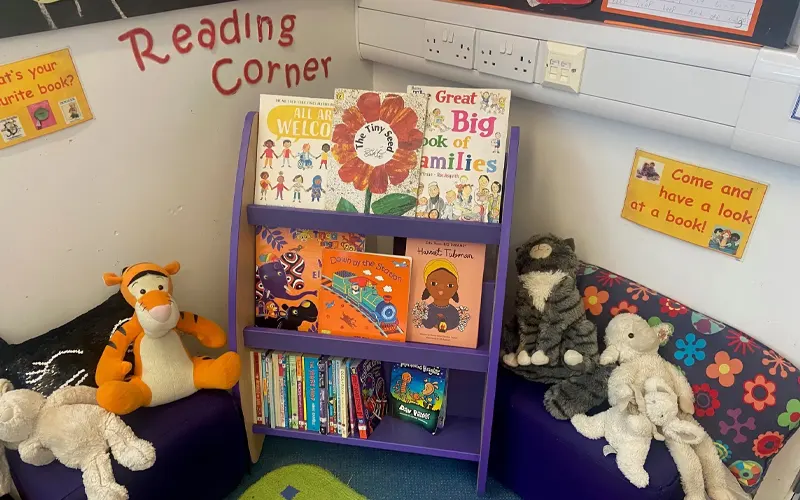
A classroom without a dedicated reading space is like a library without shelves. Reading corners are not just functional—they’re emotional havens for preschoolers. A cozy, well-decorated reading area can promote literacy, build emotional security, and foster independent exploration.
Use soft seating like beanbags or small armchairs. Install low bookshelves so children can access books on their own. Then add thematic wall décor that matches current reading topics—jungle animals, fairy tales, outer space.
You can also include:
- Hanging mobiles with letters or characters
- Cushioned rugs with alphabet patterns
- Simple fabric canopies to create a “nook” feeling
If you have windows nearby, add light curtains to filter natural light and prevent distractions. The goal is to make this area inviting and slightly enclosed.
3. Decorate the Classroom with Kids’ Art
Displaying children’s creations increases motivation, builds identity, and makes the classroom feel like a shared community. It’s high‑impact, low‑cost décor that showcases learning processes, not just final products.
- Rotating gallery walls with framed student pieces
- A clothesline with clips to hang paintings
- Laminated drawings with each child’s name below
Make sure art is hung at the child’s eye level. You’re not just creating décor—you’re building self-esteem. It’s also a subtle classroom management tool. When children feel proud of their environment, they’re more likely to care for it.
4. Ideas for Bulletin Boards
Bulletin boards can be decorative, functional, and instructional all at once. They’re not just placeholders—they’re storytelling spaces. With thoughtful design, bulletin boards can support themes, showcase learning progress, and communicate important information.
- Monthly themes like seasons, community helpers, or holidays
- Student portfolios with writing samples or artwork
- Behavioral charts using positive reinforcement visuals
- Letter/Number of the week boards
Keep your boards interactive when possible. Add Velcro elements, flip panels, or spaces for student input. The more children can manipulate or engage with the board, the better.
Limit yourself to one or two major bulletin boards in the classroom, and keep the rest of the wall space calm and breathable.
5. Fun Birthday Displays
Celebrating birthdays in preschool is a great decorating opportunity. it builds community, acknowledges each child, and adds joy. But it’s important to balance fun with focus and inclusivity. But instead of generic, store-bought birthday posters, make your display personal and meaningful.
- A “birthday train” with each child’s photo in a train car
- A cupcake wall with children’s names and birthday dates
- A simple timeline with month headers and child-made icons
- Use a consistent format and color scheme to create continuity.
6. Design a Visual Schedule Board
Young children thrive on routine. When they can see what’s coming next, they feel more in control—and less anxious. A visual schedule board shows the daily routine in pictures and words. You can attach visuals with Velcro or magnets to move them around.
Images with short word labels are suitable for emerging readers and older children. Post the schedule near the door or gathering area for easy reference each morning. Choose a location near a transition (e.g., entryway, carpeted area) and at children’s eye level.
7. Decorate with a Welcome Banner
The first thing children see when they enter the classroom matters. A welcome banner can immediately establish a positive tone for the day.
Avoid overly flashy, generic “WELCOME!” signs. Instead:
- Use multi-language greetings to reflect classroom diversity
- Incorporate student photos or self-portraits
- Use themes like rainbows, trees, or sunshine to make it cheerful
You can involve children in making the banner. This increases their connection to the space and helps transition them into the learning environment from the very first step through the door.
8. Decorate the Classroom Door
The classroom door is an everyday canvas. Use it to reflect your classroom identity, themes, or even seasonal topics. With thoughtful decoration, it can become an extension of your classroom identity and a daily point of engagement.
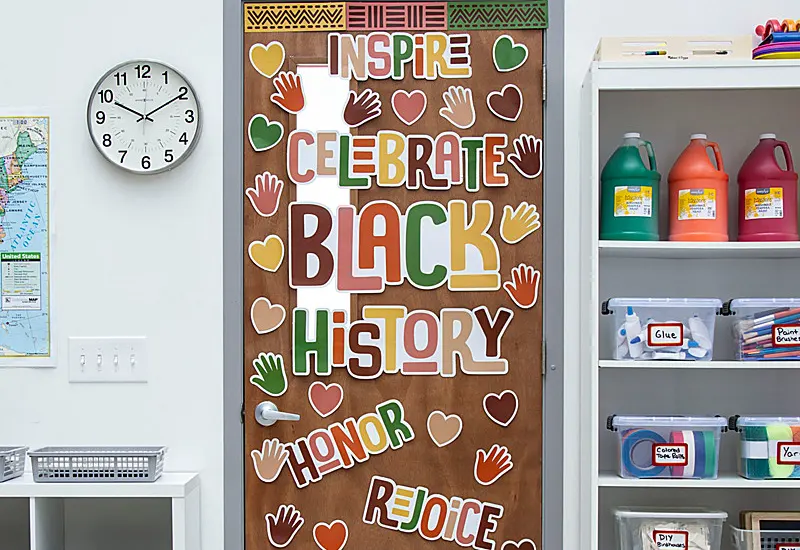
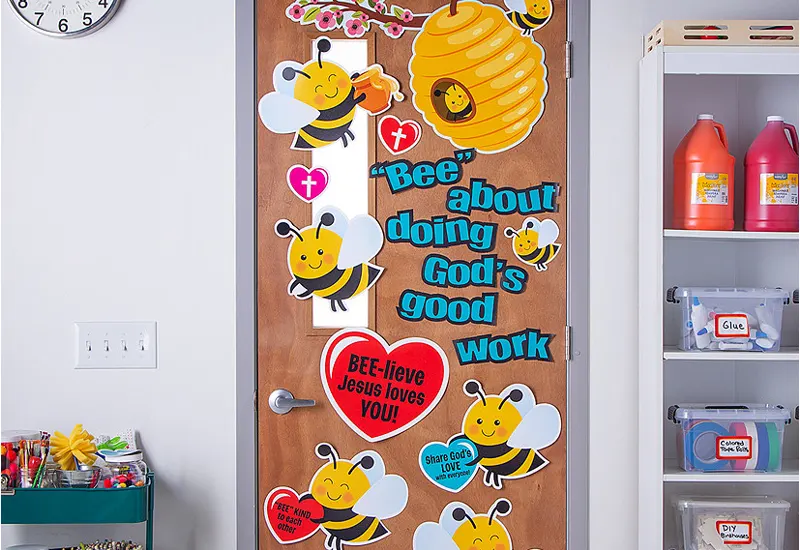
Ideas include:
- A “Who’s in Our Class?” door with children’s names and pictures
- A “Reading Adventure Starts Here” design for literacy-focused classrooms
- Seasonal or thematic displays like autumn leaves or space missions
9. Decorate the Windows and Ceiling
Many preschool teachers overlook the vertical space in the classroom. But the ceiling and windows are key visual elements in a child’s world. When decorated thoughtfully, they can bring warmth and depth to the classroom atmosphere.
Try these ideas:
- Paper lanterns or hanging pom-poms in thematic colors
- Mobiles representing seasons, numbers, or classroom mascots
- Window decals of animals, weather, or shapes
Be sure to balance visibility with safety. For windows, keep visibility clear at adult eye level but add designs at child height to make it engaging for them.
10. Use Rugs and Mats to Create Learning Areas
Floor decorations aren’t always visible. They’re also functional zones. Use rugs and mats to divide space and set behavioral expectations. Choose materials that are non-slip, easy to clean, and sized correctly for your classroom layout. Always opt for neutral or primary color schemes that match the overall classroom tone—not neon chaos.
11. DIY Wall Decor
DIY wall decorations are one of the most effective ways to bring personality and heart into your preschool classroom—without sacrificing budget or originality. Unlike store-bought posters that quickly become background noise, DIY décor invites participation, creativity, and connection.
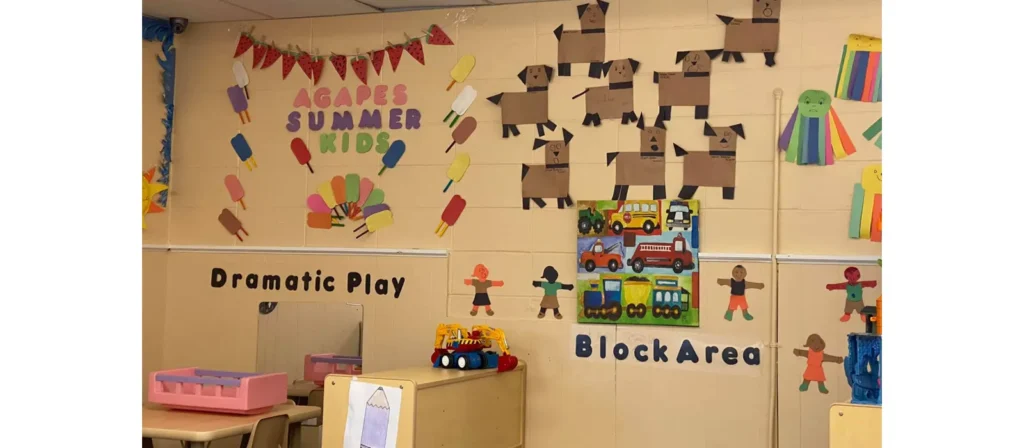
Here are DIY wall décor ideas:
- Create a “handprint tree” where each child adds their painted handprint as a leaf—then use it to track growth or seasons.
- Make a fabric or felt “learning journey” banner where children add personalized icons (e.g., “I learned to write my name,” “I counted to 20”).
- Use recycled magazine or paper scraps to create a colourful mosaic of shapes for a math wall.
- Use string and clothespins across a wall to display children’s current work.
- Have children help cut large letters or shapes for thematic walls and then allow them to place or arrange the pieces themselves.
- Laminate key visuals you use often so they last longer and can be reused year after year.
12. Creative Decorative Objects
While walls, boards, and rugs set the tone, the small decorative objects around your classroom are what give it warmth, depth, and storytelling. These elements should be intentional—not clutter—and always child-safe.
Classroom Mascots
Use a plush toy, puppet, or character figure as a “classroom mascot.” This character can sit on a shelf, participate in circle time, and even have its own name and backstory. It becomes a beloved member of the group and offers continuity.
Thematic Tabletop Displays
Create small decorative setups for the season or unit theme. For example:
- A basket of fall leaves, pinecones, and tiny pumpkins
- A globe, astronaut doll, and stars for space week
- Dinosaurs and faux fossils during a prehistoric unit
Keep these displays simple and child-accessible, using them to spark curiosity and discussion.
Repurposed Natural Materials
Use wooden bowls, stones, shells, or driftwood as both décor and manipulatives. They add texture and a sensory element to the environment, aligning well with Reggio and Montessori principles.
Family Photo Walls or Frames
A small corner with framed family photos helps create emotional security and connection. Each child can bring a family photo to display. This humanizes the room and helps children feel grounded.
Don’t overdo it—just a few key messages placed meaningfully can have a big impact.
13. Name Tags and Personalized Spaces
Personalization in the classroom helps each child feel valued and visible. At this developmental stage, children are forming a sense of identity, and seeing their name and picture on their cubby, seat, or project folder affirms their belonging in the classroom.
Name tags should be simple, clear, and easy to recognize. Ideally, they include the child’s name in large print alongside a visual cue, like a photo or a symbol. This helps children who are still developing literacy skills quickly locate their belongings. Teachers can even involve students in designing their own labels, giving them a sense of ownership and a creative opportunity to express themselves.
These personalized elements can extend beyond cubbies and tables. Mailboxes, supply bins, art drying racks, and classroom job charts can all be labeled with children’s names.
14. Music and Sound as Part of the Decor
While not visual, acoustic decorations can deeply influence the classroom atmosphere. Incorporating soft music, sound centers, or even musical instrument walls can enhance mood and support auditory learning.
Design ideas:
- A hanging bell wall where children can gently ring chimes
- A music corner with soft drums, maracas, or xylophones
- Background classical or nature soundtracks played during quiet time
Sound should be soothing, not overstimulating. Just like color and light, sound is an environmental tool that shapes behavior.
15. Reuse and Use Old Materials for Decorating
One of the most practical, sustainable, and creative decorating strategies is repurposing and reusing materials. This fosters resourcefulness, reduces cost, and often generates richer student‑centered décor.
Preschool decorating doesn’t need to strain your budget. Some of the most creative classroom spaces I’ve seen used entirely upcycled and repurposed materials.
- Turning old T-shirts into wall banners
- Using scrap fabric to create hanging flags
- Repurposing cardboard into student art canvases
- Framing sections of newspaper or old picture books
Consideraciones sobre la decoración del aula preescolar
Decorating a preschool classroom may seem like a simple task, but in reality, it requires thoughtful consideration, strategic planning, and a strong understanding of child development. An effective preschool classroom should be colorful and cheerful, yes—but also functional, safe, and developmentally appropriate. Every visual element you introduce into the space should serve a purpose: to support learning, reinforce routines, build a sense of community, or encourage independence.
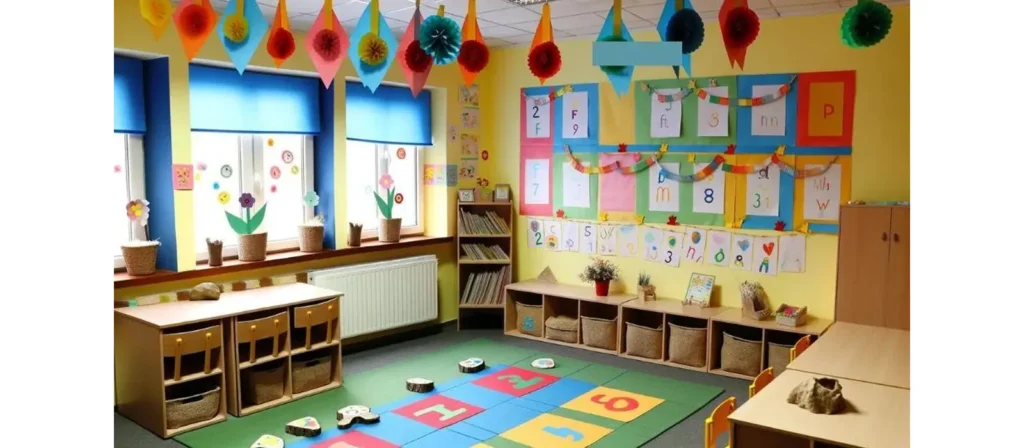
1. Use Bright Colors
Bright colors capture attention and create excitement. Young children are naturally drawn to vivid hues, and the right color palette can stimulate learning, reinforce themes, and differentiate classroom zones. However, the use of color should be intentional. Too much brightness everywhere can cause visual clutter and overstimulation.
2. Keep It at Eye Level
Since preschoolers spend most of their day sitting, playing, and walking close to the floor, decorations should be placed at their eye level. This helps children engage more meaningfully with visual aids, thematic displays, and instructional signage. It also fosters independence.
3. Keep Children Involved
When children help create or choose classroom decorations, they feel a sense of ownership and belonging. It fosters confidence and builds classroom community. Their contributions also reflect real learning and personal expression, making the décor more meaningful than store-bought posters.
4. Stay Organized
Young children rely heavily on structure. When decorations are messy or overdone, they blur those boundaries and confuse behavioral cues. Keeping things orderly doesn’t mean dull. It means that every visual element has a purpose, and everything has a place. Organized décor supports calmness, reduces conflict, and builds a productive learning environment where children feel secure.
5. Use Safe Materials
Safety should never be compromised in favor of aesthetics. All décor must be made from non-toxic, age-appropriate, and durable materials. Safety concerns include choking hazards, sharp edges, or flammable items. Ensuring all materials meet health and safety standards protects both children and staff, reducing risk during daily activities.
6. Keep Safety in Mind
Beyond material safety, decoration placement affects visibility, traffic flow, and emergency access. Hanging décor must be secure, exits must remain clear, and walkways must be free of tripping hazards. Designing with safety in mind prevents accidents and supports smooth classroom operations.
7. Choose the Right Furniture
Classroom decoration doesn’t start with posters and streamers—it starts with furniture. The layout, color, height, and placement of your tables, chairs, cubbies, and shelving units all play a role in how the classroom feels and functions.


- Select age‑appropriate furniture: Child‑sized tables, chairs, shelves at reachable heights.
- Consider flexible furniture: Pieces that can move easily or reconfigure support dynamic décor zones and seasonal changes.
- Furniture should serve dual purposes: For example, bookcases that display books cover‑out, or low cabinets with decorative tops to define zones and display children’s work.
- Matches the decor: Consistent finishes, clean lines, minimal patterns help décor and furniture feel unified.
- Durability and maintenance: Furniture for preschoolers must withstand active use, spills, and be easy to clean and rearrange.
8. Remember to Change Your Decor
Children thrive on novelty and seasonal rhythms. Updating classroom decorations throughout the year keeps the environment stimulating and relevant. Whether it’s monthly bulletin boards, seasonal themes, or rotating student artwork, a changing environment supports curiosity and engagement. It also reinforces concepts like time, transitions, and cycles. However, changes should be predictable and structured—not random. A consistent update schedule helps children anticipate change and adjust comfortably. Planning décor updates alongside curriculum themes is the most effective approach.
9. Control Your Budget
A well-decorated classroom doesn’t have to break the bank. Reusing materials, incorporating student artwork, and DIY projects can achieve meaningful, personalized décor without excessive spending. Budget-friendly choices also model sustainability and creative problem-solving for children.
How to Decorate Spaces with Different Functions?
Un aula bien organizada debe tener áreas claramente definidas para las diferentes actividades. Estos espacios ayudan a los niños a comprender dónde se realizan las tareas específicas y promueven transiciones más fluidas a lo largo del día.
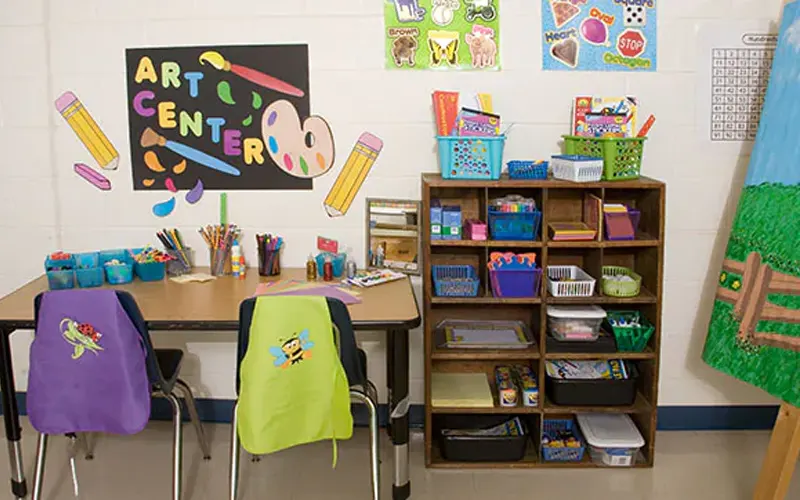
Centro de Arte Preescolar
Un centro de arte Es un elemento imprescindible para fomentar la creatividad y la autoexpresión. Llénelo con materiales infantiles como crayones, pintura y materiales reciclados para manualidades. Use exhibidores de pared coloridos y tendederos para exhibir las obras de arte de los estudiantes, haciendo que el espacio sea inspirador y funcional.
Centro de Ciencias Preescolares
Una experiencia práctica centro de ciencias Despierta la curiosidad y la exploración. Equipa el área con lupas, contenedores sensoriales y experimentos sencillos. Los pósteres de la naturaleza, los planetas y el cuerpo humano pueden servir como atractivas decoraciones para el aula preescolar, animando a los niños a hacerse preguntas y descubrir.

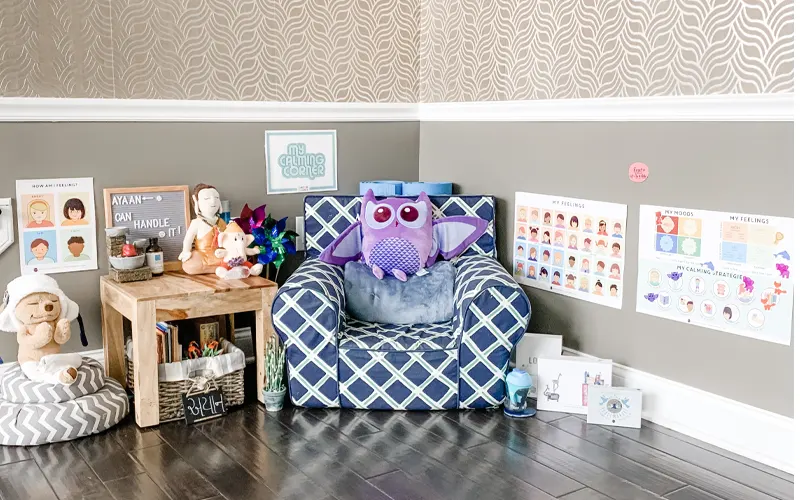
Rincón de la calma
A rincón relajante Ayuda a los niños a autorregularse y gestionar sus emociones. Use asientos suaves, colores tenues y elementos sensoriales como juguetes antiestrés o mantas con peso. Añadir decoración con temática natural, como un dosel de cielo estrellado o una iluminación suave, puede hacer que el espacio sea aún más relajante.
Rincón de lectura del aula
Un rincón de lectura acogedor Fomenta el amor por los libros. Organiza las estanterías con libros ilustrados accesibles, añade pufs o cojines para mayor comodidad y decora con pósteres del alfabeto o vinilos decorativos con temática de cuentos para crear un espacio literario acogedor.
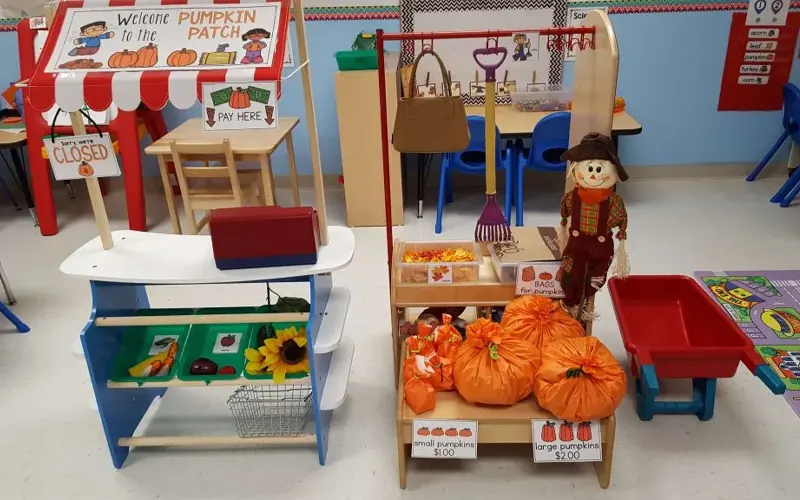
Área de juego dramático
Juego dramático Mejora las habilidades sociales y cognitivas. Ya sea una cocina de juguete, un minimercado o un consultorio médico, la utilería y los fondos temáticos pueden dar vida al juego imaginativo. Rote los decorados con regularidad para que el espacio sea atractivo para los niños.
Decoraciones de temporada para aulas preescolares
Decorar un aula de preescolar según las estaciones mantiene el ambiente fresco, atractivo y educativo. Los temas de temporada ayudan a los niños a conectar con la naturaleza, explorar los cambios del mundo que los rodea y celebrar ocasiones especiales. Ya sean flores brillantes para la primavera o copos de nieve acogedores para el invierno, la decoración estacional para aulas de preescolar mejora el ambiente de aprendizaje y convierte el aula en un lugar emocionante para los pequeños estudiantes.
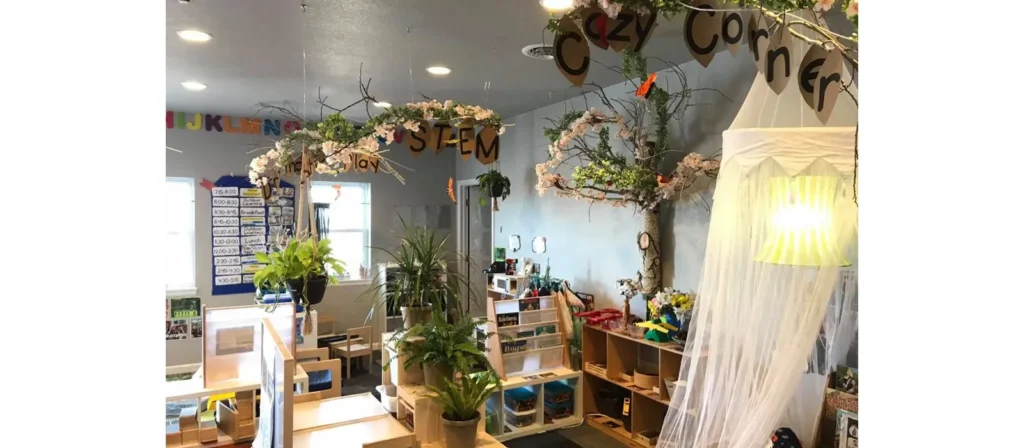
Decoraciones de primavera para aulas preescolares
La primavera es la temporada de renovación, por lo que es el momento perfecto para incorporar temas de decoración de aulas preescolares frescos, coloridos e inspirados en la naturaleza.
- Decoraciones de paredPara crear un ambiente vibrante, use decoraciones de pared para el aula preescolar, como recortes de mariposas, guirnaldas de flores y pancartas de arcoíris.
- Decoraciones para puertas de aulasConsidere ideas de decoración de puertas de aulas para preescolar, como una puerta de “Jardín en crecimiento” con flores de papel y los nombres de los estudiantes como pétalos.
- Decoraciones de techoLas decoraciones colgantes como nubes de papel, gotas de lluvia y rayos de sol pueden hacer que el espacio se sienta luminoso y aireado.
- Rincones de actividades:Cree una estación de plantación donde los niños puedan cultivar pequeñas plantas o hierbas, incorporando ideas de decoración de aulas para preescolares con temas de jardín.
- Decoraciones imprimibles:Utilice materiales imprimibles de decoración para aulas preescolares, como carteles del alfabeto con temas de primavera y gráficos de aprendizaje basados en la naturaleza.
Decoraciones de verano para aulas preescolares
La decoración de las aulas de verano debe reflejar calidez, aventura y divertidas actividades al aire libre. Las ideas de decoración para preescolares en verano suelen incluir temas de playa, océano y acampada.
- Decoración de pared:Muestre olas del océano, peces y conchas marinas con la decoración de pared para el aula preescolar para crear un mundo submarino.
- Decoración temática del aula: Usar tema del aula preescolar Decoración con pelotas de playa, castillos de arena y gafas de sol para un ambiente lúdico.
- Ventanas del aula:Agregue calcomanías de sol coloridas o arte con huellas de manos para alegrar las decoraciones de las ventanas de las aulas preescolares.
- Decoración DIY:Incorpore la decoración del aula preescolar con manualidades de bricolaje creando abanicos de papel, cometas y molinetes.
Decoraciones de otoño para aulas preescolares
Las decoraciones otoñales aportan tonos cálidos, temas de cosecha y celebraciones de temporada. Las decoraciones otoñales para preescolar suelen centrarse en calabazas, hojas y criaturas del bosque.
- Tablones de anuncios y de pared:Utilice ideas de decoración de paredes para aulas preescolares con hojas caídas, espantapájaros y acogedoras escenas otoñales.
- Puertas del aula:Sea creativo con ideas de decoración de puertas para aulas de otoño para preescolar, como un “huerto de calabazas” con el nombre de cada estudiante en una calabaza.
- Decoración colganteLas decoraciones del techo de las aulas preescolares pueden presentar hojas de otoño, bellotas y búhos.
- Elementos interactivos:Un árbol de gratitud donde los niños agregan notas de agradecimiento es una excelente idea para decorar el aula preescolar.
Decoraciones de invierno para aulas preescolares
Los temas invernales crean un ambiente de aprendizaje acogedor y mágico con copos de nieve, mitones y decoración festiva. Las decoraciones invernales para el aula de preescolar generan entusiasmo mientras los niños aprenden sobre el clima invernal y las festividades.
- Decoraciones de paredes y ventanas:Use decoraciones invernales en las aulas preescolares, como recortes de copos de nieve, guirnaldas de carámbanos y animales de invierno.
- Puertas del aulaLas ideas de decoración de puertas de aulas de invierno para preescolar incluyen un tema de “País de las maravillas invernal” con muñecos de nieve y una escena de trineo.
- Decoración de techo:Cuelgue copos de nieve de algodón o luces suaves para crear un ambiente festivo.
- Áreas sensoriales:Un contenedor sensorial con temática de nieve con nieve artificial y figuras de animales de invierno mejora los temas de decoración del aula para preescolar.
Decoraciones navideñas para aulas preescolares
Las decoraciones navideñas hacen que las aulas de preescolar sean festivas y emocionantes. Ya sea Halloween, Acción de Gracias o Navidad, las decoraciones para aulas de preescolar ayudan a los niños a comprender las tradiciones culturales, a la vez que aportan calidez y diversión al espacio.
Decoraciones de Halloween para aulas preescolares
Las decoraciones de Halloween aportan un toque divertido y espeluznante al aula. Las decoraciones de Halloween para preescolares deben ser divertidas y no demasiado aterradoras.

- Decoraciones de pared:Utilice decoraciones de aula para preescolar, como fantasmas amigables, calabazas y murciélagos.
- Puertas del aulaLas ideas para decorar puertas de aulas preescolares pueden incluir un tema de “Monstruo amigable” o “Huerto de calabazas”.
- Decoración interactiva:Un tablero de conteo de “Truco o trato” puede ser parte de la decoración del aula preescolar y al mismo tiempo reforzar el aprendizaje.
- Manualidades de bricolaje:Anime a los niños a crear linternas de papel y telarañas para decorar el aula.
Decoraciones para aulas preescolares con motivo del Día de Acción de Gracias
La decoración de Acción de Gracias se centra en la gratitud, la cosecha y la unión. La decoración del aula preescolar para Acción de Gracias puede incluir cálidos tonos otoñales y elementos temáticos.
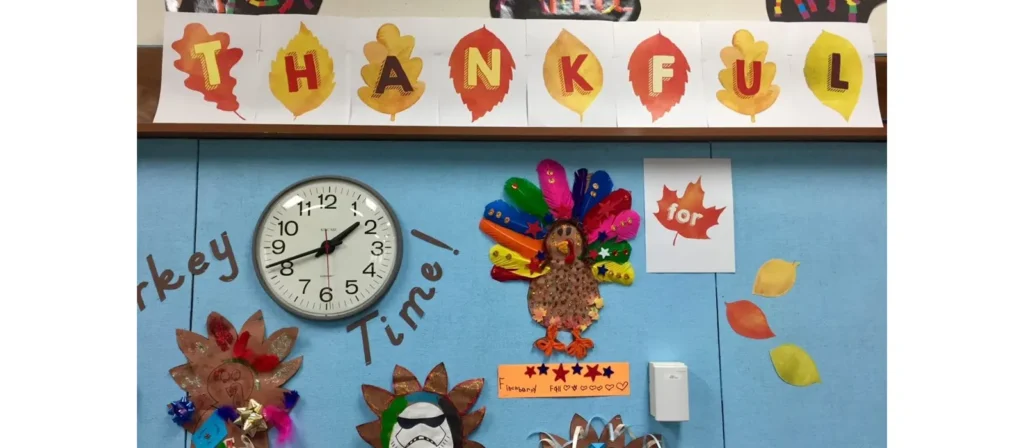
- Tablones de anuncios y de pared:Un “árbol de agradecimiento” con hojas hechas por estudiantes que expresan gratitud es una atractiva decoración de pared para el aula preescolar.
- Decoraciones para puertas de aulas:Las decoraciones para puertas de aulas preescolares, como un pavo con huellas de manos de estudiantes como plumas, añaden un toque personal.
- Decoraciones de mesa:Use decoraciones para el aula preescolar con elementos como calabazas de papel, cornucopias y guirnaldas de otoño.
Decoraciones navideñas para aulas preescolares
Las decoraciones navideñas aportan alegría y calidez al ambiente preescolar. Las decoraciones navideñas para el aula preescolar pueden incluir colores festivos, personajes festivos y acogedores temas invernales.
Decoración imprimibleLas decoraciones imprimibles para aulas preescolares, como gráficos del alfabeto con temas festivos y carteles de números, agregan un toque de aprendizaje festivo.
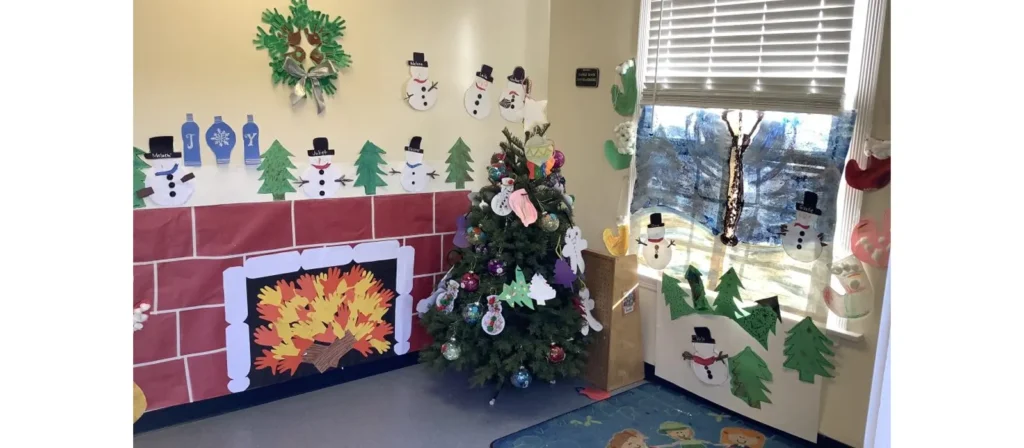
Decoración de paredes y techos:Utilice decoraciones navideñas, como copos de nieve, árboles de Navidad y luces centelleantes, en el aula preescolar.
Puertas del aula:Las ideas para decorar puertas de aulas preescolares incluyen un tema de “Taller de Papá Noel” o “Casa de jengibre”.
Rincón de manualidades navideñas:Las ideas de decoración de aulas navideñas para preescolares pueden incluir una estación para hacer adornos de bricolaje.
Conclusión
La decoración de las aulas de preescolar desempeña un papel crucial en la experiencia de aprendizaje de los niños pequeños. Un aula bien decorada proporciona estimulación visual, fomenta la interacción y fomenta la creatividad. Al seleccionar cuidadosamente los temas, usar elementos interactivos e incorporar decoración de temporada y festiva, los educadores pueden crear un entorno de aprendizaje dinámico y atractivo.
Desde tableros interactivos hasta decoraciones inspiradas en la naturaleza, cada elemento del aula debe apoyar el aprendizaje, a la vez que crea un espacio acogedor y agradable. La decoración debe ser funcional y divertida, garantizando que los niños se sientan inspirados cada día que entran a su aula de preescolar.
Al renovar continuamente el entorno, los profesores pueden mantener a los estudiantes interesados y entusiasmados con el aprendizaje, creando una base para la curiosidad y la creatividad de por vida.

 Spanish
  English
  Arabic
  French
  Italian
  German
  Thai
Thai  Japanese
  Portuguese
  Russian
  Korean
  Vietnamese
  Indonesian
  Turkish
  Polish
  Swahili