
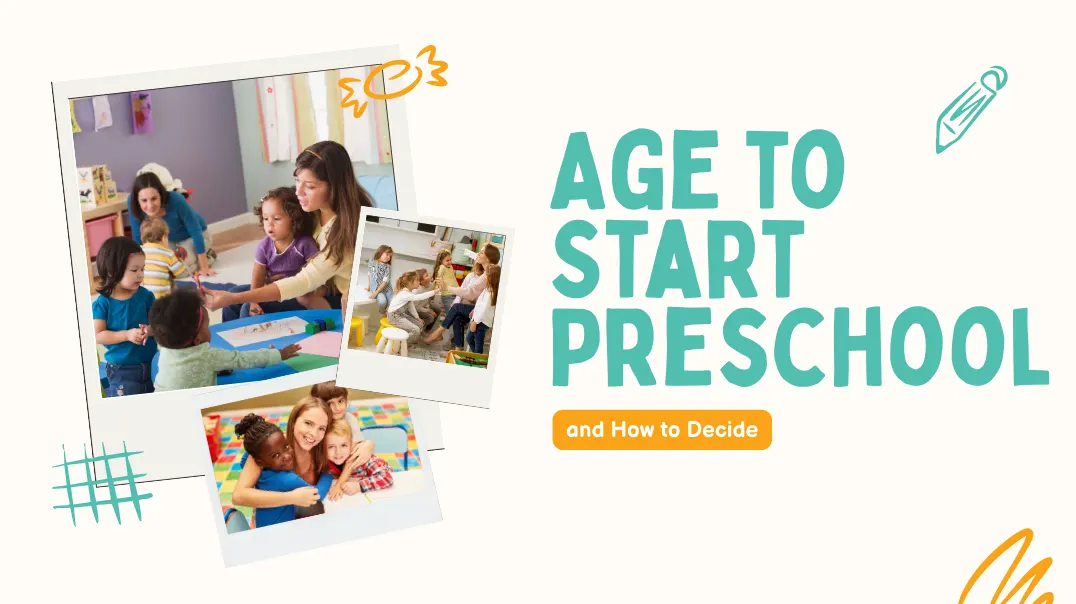
When people ask Age to Start Preschool, they’re rarely asking for a number. They’re asking for confidence. They want to know whether their child will be okay in a room full of other children, whether the tears at drop-off mean “not ready,” whether starting now will help or quietly make things harder. The honest answer is that preschool starts when age and readiness overlap enough that your child can participate in group life without the whole day becoming survival.
Age still matters, just not in the way most advice frames it. The typical 3–5 window exists because many programs are built around what children can usually handle during those years: separation with recovery, basic communication, tolerating routines, and managing small frustrations. But “preschool” isn’t one thing. A play-based half-day with warm transitions is not the same as a full-day schedule with heavier expectations. Two children can be the same age and have completely different outcomes depending on the program’s pace, ratios, and emotional climate.
So this article doesn’t push you toward an early or late start. It slows down the decision. We’ll look at what “typical” means across programs, how full-day and half-day change the load, which developmental milestones matter most in real classrooms, and the readiness signs that tend to predict a smoother start. Then we’ll talk about what can happen when preschool begins too early or too late, the benefits of starting at the right time, and a quick checklist to bring the decision back to your actual child and your actual family.
Typical preschool age: Between 3 and 5
When people ask about the right Age to Start Preschool, most professionals will quietly point you to a range rather than a magic age. In many systems, preschool starts somewhere between 3 and 5, with a big cluster of children around 3–4 years old.
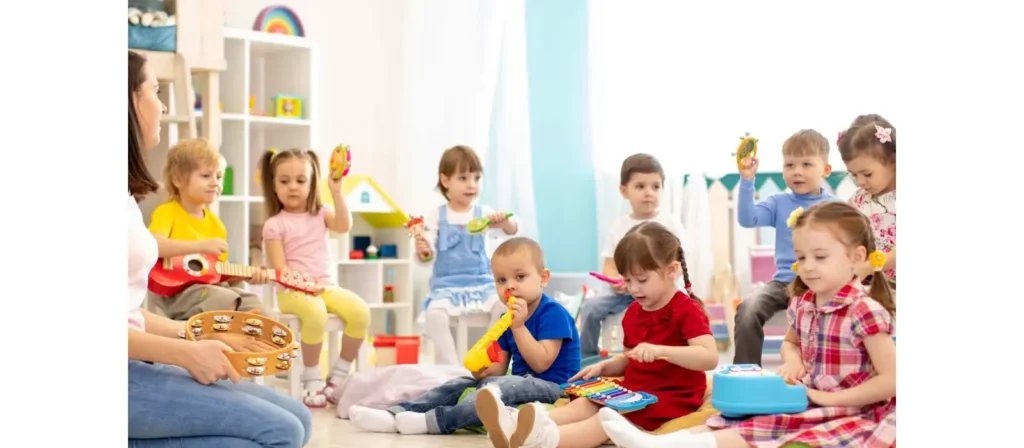
Most families have children in this age group because it aligns with the structure of many group curricula. It’s not that a magical transition begins at age three. Rather, it’s because around age three, many children begin to adapt to group life in the classroom: waiting, taking turns, making their voices heard amidst a cacophony, and following the group even when they don’t want to.
However, the word “typical” is subtle. It can easily become a rule. Then, parents may feel their child is lagging behind or ahead, when in reality they are simply dealing with a child with their own pace. Preschool is not a competition, but a matter of what’s right for the child.
A three-year-old who breaks down crying for 40 minutes over a minor setback may be “age-appropriate,” but that doesn’t mean the classroom environment is friendly to them. A four-year-old who can think independently, express their needs, and recover quickly after conflict can thrive even in a more structured curriculum. Peers, yet vastly different experiences.
How age to start preschool varies by country and program
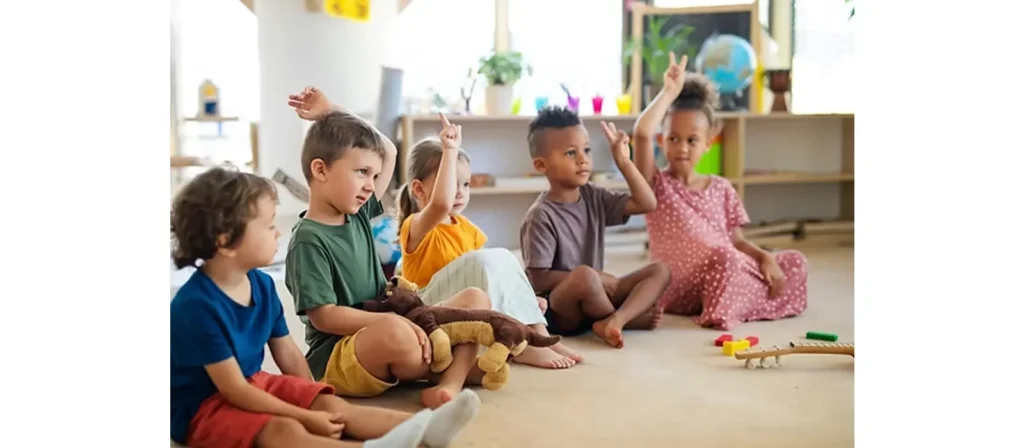
This is where a lot of advice online becomes unhelpful, because it assumes “preschool” is one thing. It isn’t.
In some countries, preschool is closer to early education with a clear school-readiness pathway: more group instruction, more planned learning blocks, larger class sizes, and sometimes fewer naps. In others, preschool is mostly social development through play, with shorter days and a much softer structure. Even within the same city, you can see huge differences: a Montessori-style 3-hour morning cycle is not the same lived experience as an 8:30–5:30 daycare-based preschool room.
So the starting age often reflects what the program expects children to do independently. A few common patterns you’ll notice:
- Where preschool is tied closely to the public school system, programs may expect children to start closer to 4, sometimes with fewer “settling-in” supports.
- Where childcare and preschool are blended, programs often accept children around 2.5–3, because the structure is designed to scaffold early separation and routine-building.
- In places where “nursery” starts earlier, parents may view ages 2–3 as normal entry, but that also depends heavily on ratios, staff training, and whether naps and emotional support are protected parts of the day.
This matters because your child can be “ready” in one setting and not ready in another. The question isn’t only Age to Start Preschool. It’s “age to start this preschool.”
Full-day vs half-day preschool by age
If you’re deciding between half-day and full-day, I’d treat it less like “which is better for learning” and more like “how much daily load can my child carry without tipping into stress.” The younger the child, the more the decision is about stamina: transitions, noise, waiting, toileting routines, group conflict, and recovering after small upsets. Half-day often works as a gentle entry because it asks for fewer hours of self-regulation. Full-day can be a good fit too, but it needs real rest time and emotionally responsive teaching, otherwise the day becomes long even for capable kids.
| What changes | Half-day preschool (often easier for younger starters) |
Full-day preschool (often workable when stamina is there) |
|---|---|---|
| Best fit by age (typical pattern) | Around 3–4 when separation and routines are still forming | Often 4–5, or younger kids who already handle long care days well |
| Daily stamina required | Moderate: fewer hours to “hold it together” | High: more time in group life, more friction, more recovery needed |
| Transitions per day | Fewer transitions, simpler rhythm | More transitions (lunch, rest, afternoon re-entry) which can trigger fatigue |
| Nap / rest expectations | Sometimes child naps at home, or rest isn’t required | Rest becomes part of the program; quality of rest time matters a lot |
| Emotional load | Lighter: easier to reset after a hard drop-off or conflict | Heavier: small stressors stack; some kids cope by shutdown or behavior spikes |
| Social exposure | Enough to practice peer play without overloading | More time means more social learning, but also more conflict to navigate |
| Toileting / self-care demands | Typically less pressure if accidents happen early on | More pressure: multiple bathroom cycles, longer stretches, more independence expected |
| Common “not ready” signs | Can’t separate at all, can’t recover within the morning | Looks fine in the morning, falls apart late day; frequent dysregulation after pickup |
| What to ask the school | How do you support separation, transitions, and big feelings in a short day? | How do you handle rest, late-day fatigue, and emotional regulation after lunch? |
Signs Your Child Is Ready for Preschool
Readiness signs are rarely dramatic. It’s not a child standing up and announcing they’re ready for school. It’s more like: the hard parts of daily life don’t derail them for as long. They can be uncomfortable and still function. They can want you and still engage with something else.
I also don’t love the word “ready” because it sounds like a permanent state. Most children become ready through the act of starting, as long as the starting point isn’t wildly mismatched. So the signs below aren’t gates. They’re indicators that the experience is likely to be stretching in a good way instead of overwhelming.
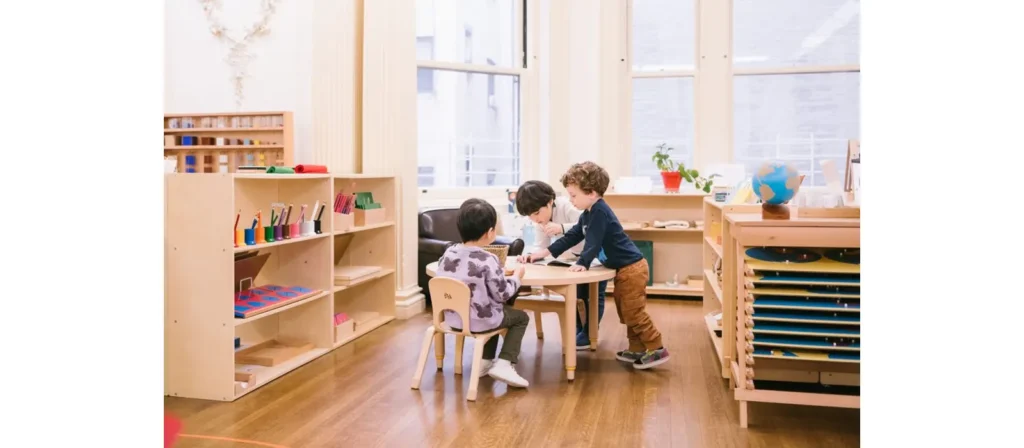
They can separate from you with minimal distress
Separation doesn’t necessarily mean no crying or tantrums. What you should observe is: Can they say goodbye? If they cry, can they calm down within a reasonable time with a trusted adult? Will they eventually participate in activities instead of just standing at the door?
If your child has previous experience with a babysitter, short-term classes, or grandparents, you already have some data. If your child consistently avoids separation, deciding when to start preschool requires more guesswork, so you can arrange some short separation exercises first.
They show interest in playing with other children
You might notice:
- Watching other kids at the playground
- Trying to imitate what others are doing
- Bringing you stories about “friends”
This can be subtle. Some children prefer one-on-one play yet still enjoy being around other kids. Others are deeply distressed in groups. For the latter, a smaller program or slightly later Age to Start Preschool may help.
They can follow simple directions and routines
Preschool is basically routines stitched together. A child doesn’t need to obey perfectly. They do need to understand “there is a rhythm here” and be able to participate with support. Things like: come wash hands, sit for snack, pack away, line up, use gentle hands.
If at home your child can follow simple one-step directions some of the time, especially in familiar routines, that’s a good sign. If every direction triggers defiance or collapse, it doesn’t always mean “not ready,” but it does mean the classroom will require more adult support and a more patient program.
They are curious and enjoy exploring new activities
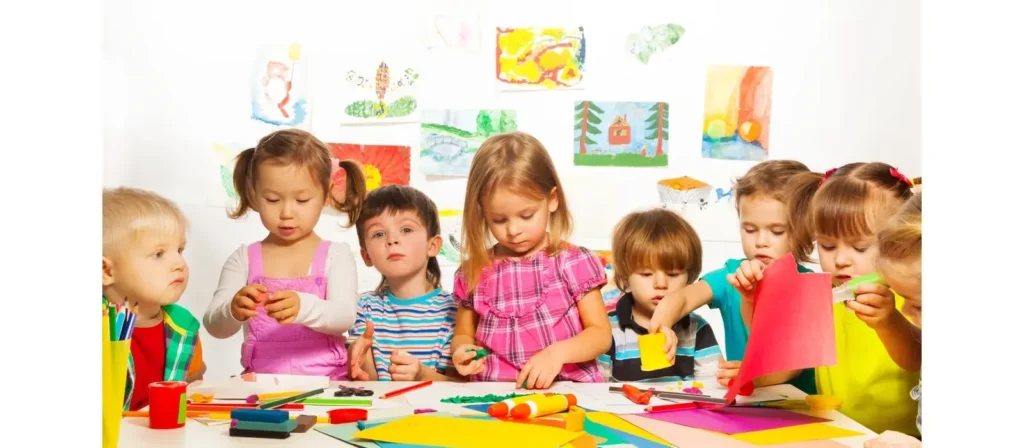
Curiosity is one of the most predictable factors for a smooth transition to a new environment. When children want to try new things, they can overcome anxiety. Curiosity acts as a bridge, helping them break free from dependence and insecurity and actively participate.
This curiosity doesn’t have to be academic; it can also be sensory: wanting to touch, pour, stack, draw, or dig. Early childhood education is built on the idea that exploration is the driving force of development. If your child defaults to “no” to anything unfamiliar, the transition period can be more difficult. Sometimes this “no” is due to personality; sometimes, it’s simply because they haven’t had enough exposure to new environments in a relaxed setting.
Communicates Basic Needs
This one is practical and safety-related. A child doesn’t need perfect sentences, but they need a reliable way to signal basic needs. Otherwise, adults are guessing, and guessing increases stress for everyone.
- Saying or signing “toilet,” “help,” “hurt,” “drink”
- Pointing with intent and making eye contact
- Bringing an adult to the problem (showing the snack box they can’t open)
- Using consistent words even if they’re not clear to strangers yet, as long as teachers can learn them
A child’s shyness is not the same as a lack of communication skills. Shy children can still communicate with familiar adults once they establish trust. What is truly worrying is when children lack effective ways to express their needs under pressure.
What Happens If You Start Preschool Too Early or Too Late?
People talk about the age to Start Preschool as if there’s a narrow “correct” moment and everything else is a mistake. It’s usually not that sharp. What changes is the kind of stress a child carries, and whether that stress is the sort that builds capacity or the sort that drains them.
Starting “too early” tends to look like the child paying a high emotional price just to get through the basics of the day. Starting “too late” tends to look like the child having fewer chances to practice group life before expectations rise. Neither is destiny. Both are adjustable. The problem is when adults interpret normal adjustment stress as proof that something is wrong, and then we either push harder or pull away too quickly.
Potential downsides of starting preschool too early
The biggest risk isn’t that a child “won’t learn.” It’s that the child learns the wrong lesson about The biggest risk isn’t that children won’t learn, but that they develop a distorted perception of the group environment, believing that going to school means excessive stress. If a child enters kindergarten unable to adapt to separation, unable to regulate their emotions with help, or unable to express basic needs, then each day becomes a long coping process. You might see your child consistently anxious when dropped off at kindergarten, with no improvement each week, and regressing at home: sleep disturbances, over-dependence, and problems with toilet training.
These seemingly rebellious behaviors are often just stress responses. There’s also a more subtle negative impact that parents sometimes overlook because teachers say, “They’re fine after you leave.” A child may appear quiet and obedient in class, but may actually be experiencing stress. Some children cope with stress by isolating themselves. They stop participating in class activities, stop trying new things, and become very withdrawn. If you pick your child up and find them emotionally distraught, it may indicate that they’ve been suppressing their emotions throughout the day, only releasing them completely once they’re back in a safe environment.
Risks of waiting too long to start preschool
Delayed enrollment is generally not harmful, but it does mean missing out on some practice opportunities. Kindergarten provides children with a structured environment to learn about peer life: negotiation, waiting, conflict resolution, receiving guidance from non-parental adults, and following group rules. If a child delays enrollment, depending on the education system, they may have fewer opportunities to practice before transitioning to preschool or primary school.
Some patterns that can show up with a later start:
- Strong preference for adult-led interaction, less comfort with peers
- Difficulty with group routines simply because they’re unfamiliar
- More frustration when they’re not the “leader” in play
- A sharper shock when academic or behavioral expectations rise in the next setting
However, this is not inevitable. Children have ample social opportunities through playgroups, siblings, community activities, and caregivers. The real risk is that “waiting” may inadvertently escalate into isolation, or a child may lack opportunities to integrate into a group.
Finding the balance between age and readiness
The decision no longer depends solely on the rules, but more on your honest judgment of your child. Age represents possibility, and readiness represents the child’s current potential. Generally, the key is to choose a starting point that is slightly challenging but not so challenging as to over-engage the child.
If your child can separate from and engage in play with you, even if they occasionally resist, this is a strong sign. If your child is completely unable to settle down or is in a state of anxiety for extended periods, then delaying the start time or choosing a gentler environment will usually help.
Sometimes, the key is not changing the child’s schedule, but changing the curriculum. Smaller class sizes, a quieter environment, a regular routine, and warm and friendly teachers can all help a child who is “not yet ready” to quickly demonstrate their learning potential.
The decision no longer depends solely on the rules, but more on your honest judgment of your child. Age represents possibility, and readiness represents the child’s current potential. Generally, the key is to choose a starting point that is slightly challenging but not so challenging as to over-engage the child.
Benefits of starting preschool at the right age
Social confidence and early friendships
When the timing fits, preschool becomes a low-stakes place to practice peer life every day. Children get repeated chances to join play, handle small conflicts, and repair after misunderstandings, which slowly builds social confidence. Early friendships, even the simple “we always play trains,” give a child an anchor in the room, making drop-offs easier and participation more natural.
Emotional resilience and independence
At the right age, children can experience frustration without it swallowing the whole day. They learn that big feelings rise, adults support them, and they can return to play. That recovery loop builds resilience in a way lectures never will. Independence grows alongside it: choosing activities, trying again after mistakes, asking for help appropriately, and getting comfortable being guided by trusted adults beyond the family.
Stronger language and communication skills
Preschool provides real reasons to communicate, and that’s why language tends to expand fast when the start is well-timed. Children practice asking for turns, explaining what happened, negotiating rules in pretend play, and expressing needs in a busy environment. Over time they gain not just more words, but better clarity and confidence, which reduces frustration and helps them feel understood by peers and teachers.
Foundation for school readiness and academic success
A good-timing start supports the underlying skills that make later learning smoother: following routines, listening in a group, persisting through small challenges, and shifting between activities without falling apart. These habits create readiness for more structured classrooms, where attention and cooperation matter as much as content. When children feel capable in the environment, curiosity and early academics tend to come more naturally.
Benefits for parents: routines, support, and peace of mind
When preschool is started at a workable time, family life often steadies. Daily rhythm becomes more predictable, children may sleep better from consistent activity and routine, and parents get emotional relief from shared support. You also gain clearer feedback about your child in a group setting, which turns vague worry into specific insight, making next steps feel manageable rather than overwhelming.
Is your Child Preschool-ready? A Quick Checklist
Is your Child Preschool-ready? A Quick Checklist
- My child can separate from me for short periods and, if upset, they usually settle with another trusted adult.
- They show at least some interest in playing with or watching other children.
- They can communicate basic needs through words, gestures, or signals understood by caregivers.
- They can follow simple, consistent routines with support.
- They are curious and willing to engage in new activities once they feel safe.
- Our family circumstances can realistically support preschool drop-offs, pickups, and fees without constant crisis.
- The program we’re considering matches my child’s temperament and needs (noise level, group size, teaching style).
What if The Typical Preschool Age isn’t Right for My Child?
Sometimes, the typical age window doesn’t provide a valid answer. Your child might be three but clearly struggling with group life; or four, ready but bored at home. This doesn’t necessarily mean there’s a problem with the child. Often, it means the child’s current learning abilities aren’t aligned with the demands of the preschool curriculum.
At this point, the question shifts from “At what age is it appropriate for my child to start preschool?” to “What kind of environment will provide my child with a moderate challenge without overwhelming them every day?” Timing is important, but the form of the learning experience is equally crucial.
Alternative options: playgroups, home-based learning, and caregivers
If the typical Age to Start Preschool doesn’t fit, you can still build the same skills through lighter structures. Playgroups give peer exposure without full-day demands. Home-based learning can focus on routine, language, and simple independence in a calmer setting. A consistent caregiver can provide separation practice and social outings while keeping the emotional load manageable. The goal isn’t to “replace preschool,” but to keep development moving while protecting your child’s capacity.
Working with teachers and pediatricians to decide
When you feel stuck, outside eyes help especially people who see many children, not just yours. Teachers can describe classroom expectations and whether your child’s current challenges are common adjustment issues or a mismatch with the program’s structure. Pediatricians can rule out hearing, sleep, or developmental factors that quietly affect behavior and communication. What works best is sharing specific examples, not labels, then choosing a plan you can revisit after a few weeks.
Making the right choice for your family
The decision about Age to Start Preschool usually gets easier when you stop asking for the “correct age” and start asking what kind of day your child can carry right now. Age matters, but the better predictor is how your child handles separation, transitions, peer friction, and recovery after upset. A good start isn’t a perfect start. It’s a start where your child can settle, participate, and gradually build confidence without the whole family living in daily damage control.


 Swahili
  English
  Arabic
  French
  Italian
  German
  Spanish
  Thai
Thai  Japanese
  Portuguese
  Russian
  Korean
  Vietnamese
  Indonesian
  Turkish
  Polish