
Children are natural scientists. From the moment they begin to walk and talk, they observe, question, and experiment with the world around them. This innate curiosity makes the preschool years a perfect time to introduce basic science concepts through hands-on experiences.
A well-designed preschool science center provides a space where young learners can explore, investigate, and discover in a safe and engaging environment. It encourages them to ask questions, make predictions, and find answers through direct interaction with materials.
In this guide, you’ll find ideas for a preschool science center that cover everything you need to know, including setup strategies, essential materials, and age-appropriate activities.
What is a Preschool Science Center?
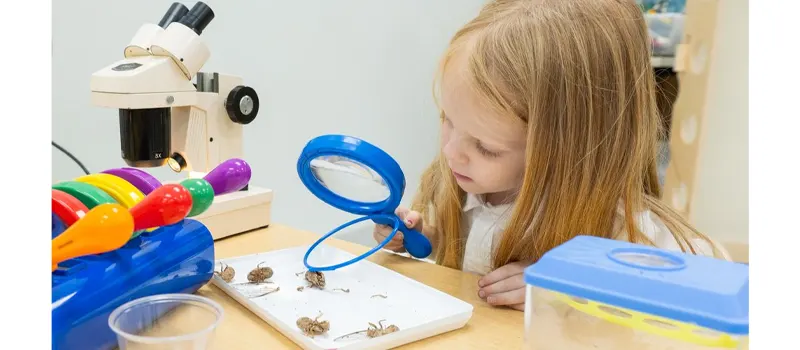
A preschool science center is a dedicated area in the classroom where children can explore natural materials, investigate simple ideas, and observe how things change. It is designed to support hands-on learning rather than formal lessons. Children use real objects and tools to compare, test, sort, and discover what happens when they interact with the world around them.
The purpose of a preschool science center isn’t to “teach” science in a formal way but to create opportunities for open-ended investigation. Whether children are sorting leaves by size, observing bugs in a jar, or testing what sinks or floats in water, they’re developing critical thinking and problem-solving skills. A good science center supports child-led exploration while also helping educators introduce basic scientific ideas in a playful, age-appropriate way.
How to Set up the Preschool Science Center?
Setting up a preschool science center works best when you follow a clear sequence. Think of it as building from the foundation up. Start with the purpose and space, then add furniture, storage, and materials, and finally layer in routines and visuals that help children use the area independently.
1. Choose a Safe and Accessible Location
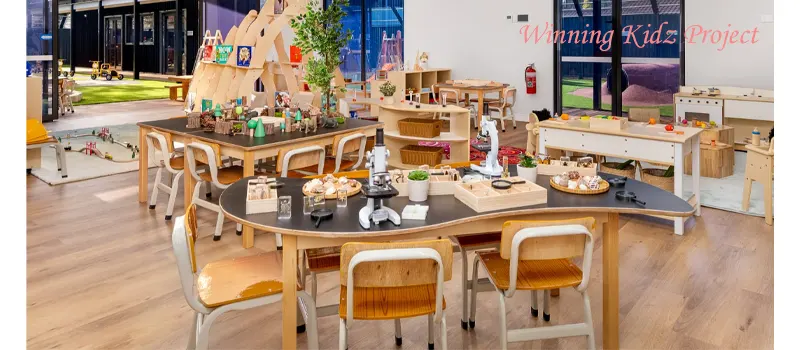
Begin by selecting a quiet, well-lit area of the classroom that allows for small-group exploration. The space should be free from high-traffic zones and close to a water source if you plan to include sensory or nature-based materials. Ensure children can access the area easily and that all items are within reach to promote independence.
2. Clarify Your Goals for the Preschool Science Center
Before gathering materials, consider what you want children to learn or experience in the preschool science center. Will you focus on nature study, simple physics, weather, life cycles, or sensory discovery? Your goals will shape what materials and tools you include and how the space is structured.
3. Define the Space Clearly
Use child-sized furniture, rugs, or low dividers to physically define the science center within the classroom. Clear boundaries help children understand where the science center begins and ends, and give the area a sense of importance and identity. A cozy, well-marked space invites focused exploration and minimizes distractions.
4. Select Age-Appropriate Furniture
Furnish the center with low tables, accessible shelving, and seating suitable for preschoolers. Choose sturdy furniture that supports both standing and seated activities. Open shelves and clear containers make it easy for children to see, select, and return materials on their own, reinforcing responsibility and order.
Check that the table is at the right height so children can pour, explore, and write without strain. Keep the top of the shelf at or just above eye level for your tallest preschoolers so they can see materials clearly. If you plan to include water or messy activities sometimes, protect the work surface with a plastic mat or tray that is easy to wipe.
5. Start with Basic Materials
Begin with a small collection of foundational materials that align with your learning goals. These should be open-ended, safe, and easy for children to manipulate independently. Rather than trying to include everything at once, it’s best to start simple and build gradually. As you observe how children interact with the space, you can introduce new materials that support emerging interests, seasonal themes, or specific skills you’d like to develop. This flexible approach keeps the center dynamic and tailored to your group’s needs.
6. Add Visuals and Labels
Msaada early literacy and scientific vocabulary by adding pictures, diagrams, word cards, and real-world photos to the space. Label shelves, containers, and tools with both words and images so children can recognize and organize items independently. Displaying key questions such as “What do you notice?” or “What might happen next?” also encourages inquiry.
7. Plan Safety and Simple Rules from the Start
Safety is part of the design, not an afterthought. Establishing clear safety expectations early on helps children use the preschool science center responsibly and confidently. Before opening the area for free exploration, introduce simple, age-appropriate rules such as “look with your eyes first,” “handle materials gently,” or “ask before using water.” Demonstrate how to use tools safely and how to clean up when finished. These routines not only prevent accidents but also foster a respectful learning environment where children feel empowered to explore within safe boundaries.
8. Rotate Themes and Connect to Your Curriculum
Keep the preschool science center dynamic by rotating materials and themes to reflect the seasons, classroom topics, or children’s current interests. If you’re studying insects, include bug viewers and plastic models. During a weather unit, offer rain gauges and thermometers. Linking the center to your curriculum deepens understanding and reinforces learning across subjects.
9. Encourage Observation and Documentation
Provide clipboards, paper, crayons, or simple science journals so children can record what they see, feel, or think. Support multiple forms of expression: drawing, dictation, or basic writing. Encourage reflection by asking open-ended questions and modeling how to describe observations. This not only develops early scientific thinking but also builds language and cognitive skills.
What Should Be in a Preschool Science Center?
A preschool science center should include a thoughtful mix of materials that spark curiosity, support sensory engagement, and encourage hands-on discovery. The items you choose for the science center should reflect different aspects of the natural and physical world, ranging from everyday objects to living organisms. Each type of material plays a unique role in helping children develop skills such as observation, classification, prediction, and communication.
Everyday Materials
These are simple tools and household items that can be used in a variety of science investigations. They are easy to find, inexpensive, and perfect for introducing children to basic scientific concepts like measurement, comparison, and cause-and-effect.
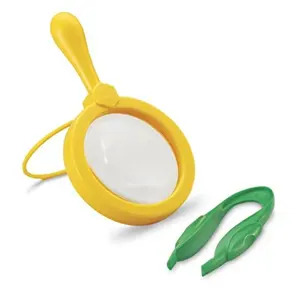


- Magnifying glasses
- Clear cups and jars
- Plastic droppers and pipettes
- Measuring spoons and small scales
- Tweezers and tongs
- Funnels and small containers
- Trays, baskets, and sorting bins
- Mirrors for reflection and symmetry
- Flashlights or small lights
- Clipboards and paper for recording
- Washable markers or pencils
Natural Materials
Nature-based materials help children observe, classify, and compare real-world objects. They also provide excellent opportunities to discuss patterns, textures, colors, and seasons. Always ensure that collected items are clean and safe for children to handle.

- Rocks, pebbles, gravel
- Shells and coral pieces
- Pinecones and seed pods
- Leaves of different shapes and sizes
- Tree bark and small sticks
- Sand and soil in shallow tubs
- Feathers and dried grasses
- Water in trays or tubs
- Small pieces of wood
- Seasonal items such as acorns or flowers
Living Things
Introducing living elements into the preschool science center helps children develop empathy, responsibility, and a deeper understanding of life science. Always ensure proper safety and care protocols are in place.

- Plants in pots or trays
- Seeds for sprouting
- Herbs or fast-growing plants
- Snails or insects in ventilated containers
- Caterpillars for observation and release
- Worm farm or compost tub
- Aquarium or small fish (depending on classroom rules)
- Terrarium with moss or small plants
With a thoughtful mix of these three categories, your preschool science center becomes a place where children can connect with both the natural world and scientific thinking. Rotate and refresh items often to reflect the seasons, classroom themes, or the children’s latest interests.
Why Is the Science Center Important in Preschool?
A science center gives young children daily opportunities to explore real objects and make sense of the world. When children pour water, watch seeds sprout, or compare rocks, they begin to notice patterns and changes. These experiences help them build early scientific thinking in ways that feel playful and meaningful. The preschool science center also supports key skills that are part of early learning.
Curiosity and Inquiry-Based Learning
Children are naturally curious, and the science center gives them a space to explore freely. It encourages them to observe, ask questions, and investigate real materials. This process of inquiry builds a strong foundation for critical thinking and lifelong learning.
Cognitive and Language Development
As children sort, compare, and describe their observations, they develop important cognitive skills such as classification, sequencing, and prediction. They also begin to use scientific vocabulary and practice articulating their thoughts, supporting early literacy and communication.
Sensory and Fine Motor Skill Building
The science center engages multiple senses through hands-on materials like sand, water, natural objects, and small tools. Using droppers, tweezers, and magnifiers strengthens fine motor coordination and provides valuable sensory input that supports brain development.
Independence and Responsibility
This space fosters independence by allowing children to choose materials, conduct self-directed exploration, and follow simple rules. It teaches care for tools and living things, respect for shared space, and accountability in maintaining the learning environment.
Curriculum Connections
The science center naturally integrates with subjects like math (measuring, counting, comparing), literacy (label reading, recording observations), and art (drawing what they see). It also reinforces kujifunza kijamii-kihisia through turn-taking, collaboration, and communication. By aligning science activities with broader curriculum goals, educators can deepen learning and create meaningful, cross-disciplinary experiences.
Preschool Science Center Ideas
Every classroom is different, and so is every preschool science center. Instead of following one set formula, you can shape your science area using adaptable ideas that match your students’ curiosity and your teaching style. The suggestions below are meant to help you design a space that grows and evolves with your learners.
Weather Observation Station
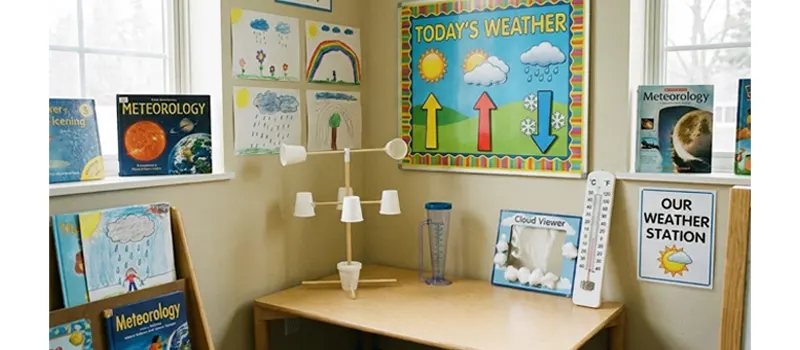
Design a cozy corner near a classroom window to serve as a weather observation hub. Use wall-mounted visuals like a daily weather tracker and a simple forecasting chart to frame the space. Provide a small shelf to organize thermometers, wind tools, and picture cards, and leave room for children to view the sky each morning. Keep surfaces dry and easy to clean, and use neutral tones or light blues to create a calm, sky-inspired feel.
Recommended Materials:
- Wall-mounted weather chart with movable symbols
- Tabletop thermometer (non-mercury)
- Compact rain gauge (placed outside, visible from the window)
- Weather photo cards and word labels
- Child-height shelf for storage
- Plastic pinwheels or wind socks
- Dry-erase board for weekly weather patterns
Light and Shadow Corner
Choose a slightly dim corner of the classroom where lighting can be controlled. Use a vertical whiteboard or light-colored wall as a backdrop for shadow play. Provide adjustable desk lamps or flashlight mounts on a low table, and use translucent and opaque objects for shadow experimentation. Install soft curtains or dividers to help darken the space when needed.
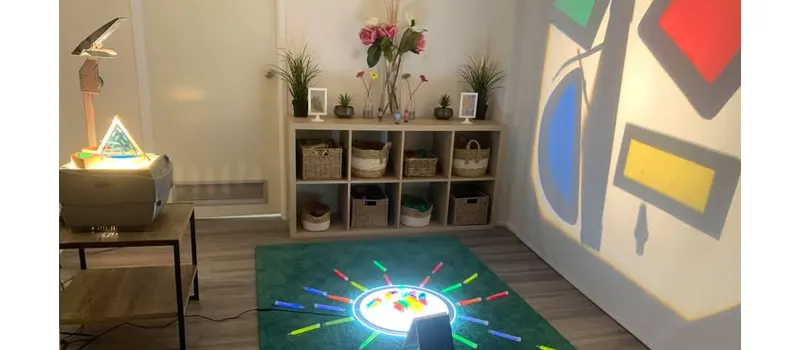
Recommended Materials:
- Clip-on or tabletop lamps with safe bulbs
- White vertical board or screen for shadows
- Transparent colored shapes and solid blocks
- Mirrors for light direction play
- Shadow puppets or silhouette cards
- A small curtain or partition to block excess light
- Storage tray for safe object handling
Insect Observation Station
Set up this center near a window or in a quiet corner with access to natural light. Use small terrariums or clear containers to house non-harmful insects or plant cuttings that attract bugs. Surround the area with insect lifecycle posters and magnifying glasses stored on a tidy shelf. Add calming green tones or plant-themed borders to help visually anchor the space as a nature zone.
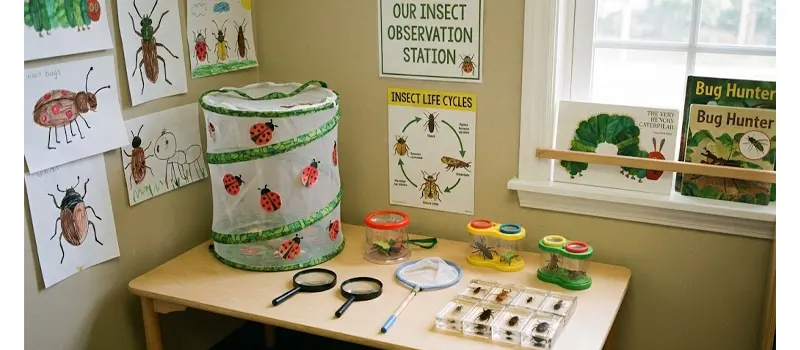
Recommended Materials:
- Bug viewers or clear jars with breathable lids
- Insect lifecycle posters or photo cards
- Clipboards with observation sheets
- Plastic insects for handling and sorting
- Magnifying glasses and tweezers
- Low table with a washable surface
- Nature-themed border or wall decals
Plant Growth Center
Design this preschool science center near a window or under grow lights to support real-time observation of plant development. Use a low table or shelf where children can easily access planting materials and observe sprouts as they grow. Provide clear containers for viewing roots, and display simple diagrams or photos showing the stages of plant growth. Keep watering tools, labels, and observation sheets nearby in organized trays to maintain a tidy, functional space that invites daily engagement.

Recommended Materials:
- Name tags or plant labels for individual tracking
- Small pots or planting trays
- Soil and labeled seed packets
- Transparent cups or jars for root observation
- Child-sized watering cans or spray bottles
- Magnifying glasses
- Plant lifecycle charts or posters
- Real or artificial plants for comparison
- Clipboards, pencils, and observation sheets
Physical Science Area
Design this area as an open, interactive space where children can explore the basic principles of motion, force, balance, and cause-and-effect through hands-on manipulation. Use a large, low table or floor mat to accommodate ramps, rolling objects, and test setups. Organize materials into bins based on properties (rolling, sliding, magnetic, heavy/light) so children can easily compare how different items behave. Leave room for children to experiment freely and return materials independently.
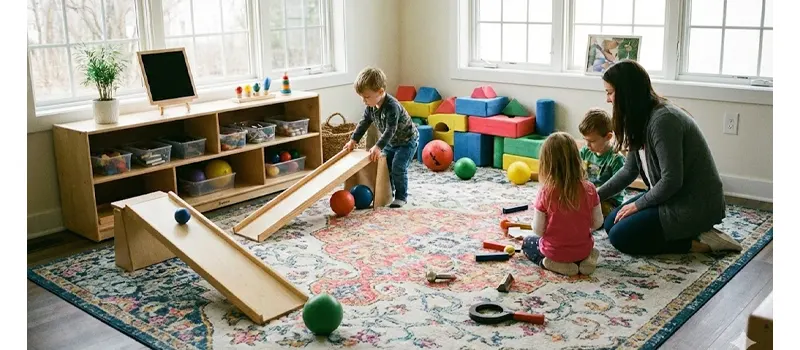
Recommended Materials:
- Wooden or plastic ramps (various angles and lengths)
- Toy cars and balls of different sizes
- Blocks or wooden planks for building slopes
- Balance scales and weights
- Magnets and magnetic/non-magnetic items
- Pulley sets or simple machines (if space allows)
- Stopwatches or timers (non-digital, child-friendly)
Chemistry Science Area
This area should be designed for simple, safe, and highly visual mixing experiments that let children explore change, reactions, and cause-and-effect. Use a low, wipeable table with clear trays or shallow bins to contain spills. Keep materials stored in labeled containers and color-code measuring tools for easy use. Include visual prompts or picture cards showing basic mixing steps and color changes. The space should feel like a mini lab while remaining age-appropriate and easy to clean.
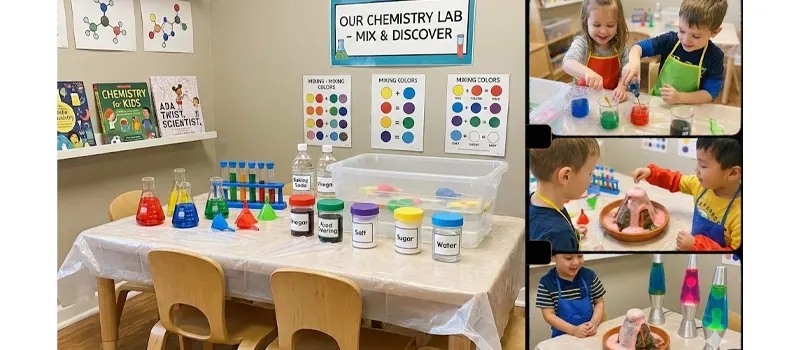
Recommended Materials:
- Clear plastic cups or test tubes
- Droppers, pipettes, and plastic spoons
- Baking soda, vinegar, food coloring (non-toxic)
- Dish soap, cornstarch, salt, flour
- Mixing trays or small bowls
- Measuring cups and child-safe funnels
- Color mixing charts or visual experiment cards
- Protective smocks or aprons
5 Science Activities for Preschoolers
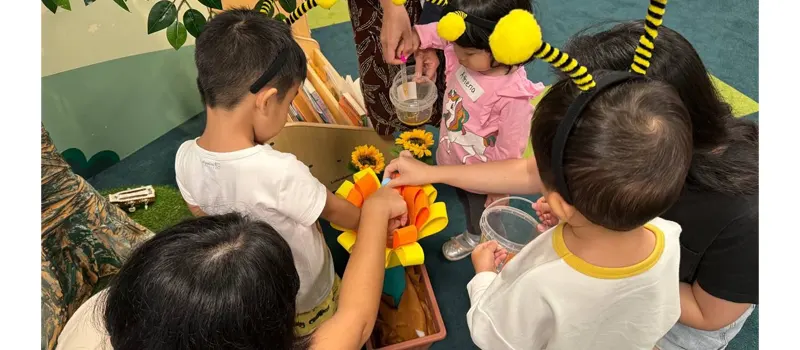
Hands-on activities are at the heart of any successful preschool science center. They help children explore real-world concepts through direct experience, observation, and playful investigation.
- Seed Sprouting Jars
Place seeds inside clear plastic cups with moist cotton balls. Let children observe root and stem growth over several days. - Sink or Float Test
Provide a small tub of water and various objects. Invite children to predict and test whether each item sinks or floats. - Magnet Sorting Tray
Set out magnets and a mix of magnetic and non-magnetic items. Children can test and sort the objects into labeled trays. - Shadow Wall
Use a flashlight and opaque objects to create shadows on a white wall. Let children explore how distance and angle affect shadow size. - Weather Tracker
Have children observe the sky daily and mark the weather on a chart using symbols or drawings.
For a full collection of easy and effective science activities, you can explore this dedicated guide to preschool science activities, which includes dozens of detailed ideas.
How to Maintain the Preschool Science Center?
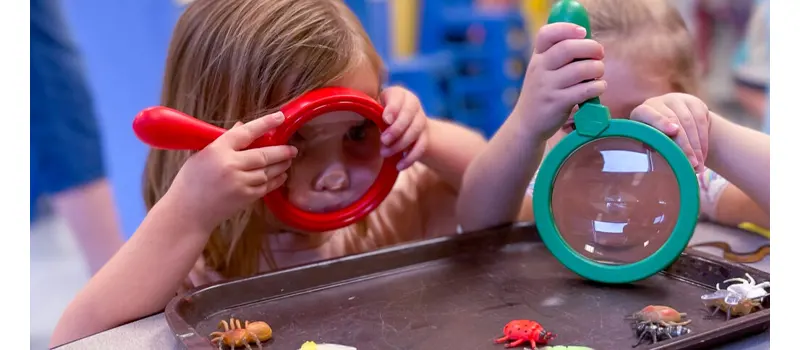
To maintain a preschool science center effectively, educators should keep materials clean and organized, rotate resources regularly to match learning themes, and inspect items for safety. Children should be taught how to use tools properly and clean up after themselves. Ongoing observation helps identify what works, what needs to be replaced, and how to adjust the space to support learning.
Keep Materials Clean and Organized
Use bins, trays, and shelves to store items in a consistent and labeled way. Choose clear containers so children can see the materials easily. Schedule time each week to wipe down surfaces, clean tools, and check for damaged or missing items. For natural items like leaves, soil, or plants, remove anything that is spoiled or moldy and replace it as needed. Encourage children to help with light cleaning, such as wiping tables or returning tools to bins, to build responsibility.
Rotate Materials Regularly
Change materials to match seasonal topics, classroom themes, or student interests. Rotation does not require a full reset. Simply swapping out a few key objects, posters, or books can refresh the center and reignite curiosity. Rotating items also helps manage clutter and keeps the space from becoming overwhelming.
Reinforce Clear Expectations
Teach and consistently model how to handle materials with care, how to clean up after use, and how to respect shared space. Use picture labels on shelves and storage bins to help children know where items belong. Regular reminders, routines, and positive reinforcement go a long way in supporting long-term habits.
Make Cleaning Part of the Routine
Build cleaning into the daily or weekly classroom rhythm. Assign simple tasks like rinsing plastic tools, drying magnifying glasses, or sorting materials back into trays. Have child-safe wipes or spray bottles available with supervision, and designate a cleanup basket for items that need teacher attention. A clean science center is not only more inviting, but it is also safer and more hygienic.
Monitor for Safety and Suitability
Inspect tools regularly for loose parts, cracks, or choking hazards. Replace any worn or broken items right away. Ensure that liquids, plants, or sensory materials are stored in spill-proof containers and cleaned frequently to avoid mold or odor. Any live specimens should be monitored daily to ensure proper care and containment.
Observe, Reflect, and Adjust
Pay attention to how children use the space. Are some materials being misused or ignored? Is the space too crowded? Use these observations to fine-tune your setup. Ask children for feedback or ideas. They may suggest themes or materials you had not considered. Involving them in decision-making helps build a sense of ownership and respect for the center.
Maswali Yanayoulizwa Mara kwa Mara
How big should a science center be in a preschool?
A preschool science center doesn’t need to be large to be effective. A small table, a shelf, or even a corner of the room can work well if it’s organized and accessible. The key is to provide enough space for 2–4 children to explore comfortably without overcrowding.
What age is appropriate to introduce a science center in preschool?
Science centers can be introduced as early as age 3. At this stage, children are naturally curious and eager to explore through hands-on play. With age-appropriate materials and adult guidance, even young preschoolers can benefit from simple observation and discovery activities.
Do children need to work in the science center every day?
Not necessarily. The science center should be available as a choice, not a requirement. Some children will be drawn to it daily, while others may engage occasionally. The goal is to create an inviting space that supports natural curiosity and independent exploration.
What’s the difference between a science activity and a science center?
A science activity is usually a single, teacher-led event with a specific outcome, while a science center is a dedicated classroom area set up for ongoing, self-directed exploration. The science center allows children to revisit materials, make independent choices, and deepen understanding over time.
Hitimisho
A preschool science center is a purposeful learning environment that invites young children to observe, explore, and think like scientists. By thoughtfully designing the space with developmentally appropriate materials and rotating ideas based on children’s interests, educators can nurture curiosity, build foundational skills, and support inquiry-based learning every day.
Whether you are just starting with simple observation tools or expanding into theme-based areas like light, weather, or plants, the most important part is to stay responsive to how children interact with the space. A well-maintained and thoughtfully designed science center can grow with your students, inspire wonder, and foster a lifelong love of learning.
If you’re planning to create or upgrade your preschool science center, Kidz mshindi offers a one-stop solution to support your vision. From space planning and furniture selection to providing safe, age-appropriate science materials, our team can help you build a complete, engaging setup tailored to your educational needs.

 Swahili
  English
  Arabic
  French
  Italian
  German
  Spanish
  Thai
Thai  Japanese
  Portuguese
  Russian
  Korean
  Vietnamese
  Indonesian
  Turkish
  Polish