Игрушки-головоломки

Puzzle Toys That Make Learning Engaging and Fun

Winning Kidz puzzle toys are thoughtfully designed to challenge young minds while supporting essential preschool development. From wooden shape sorters to animal-themed jigsaws, each puzzle helps improve hand-eye coordination, concentration, and logical thinking. Made from child-safe materials, these toys provide hands-on learning experiences that keep preschoolers engaged, focused, and excited to solve new problems every day.

Various Types and Styles of Puzzle Toys

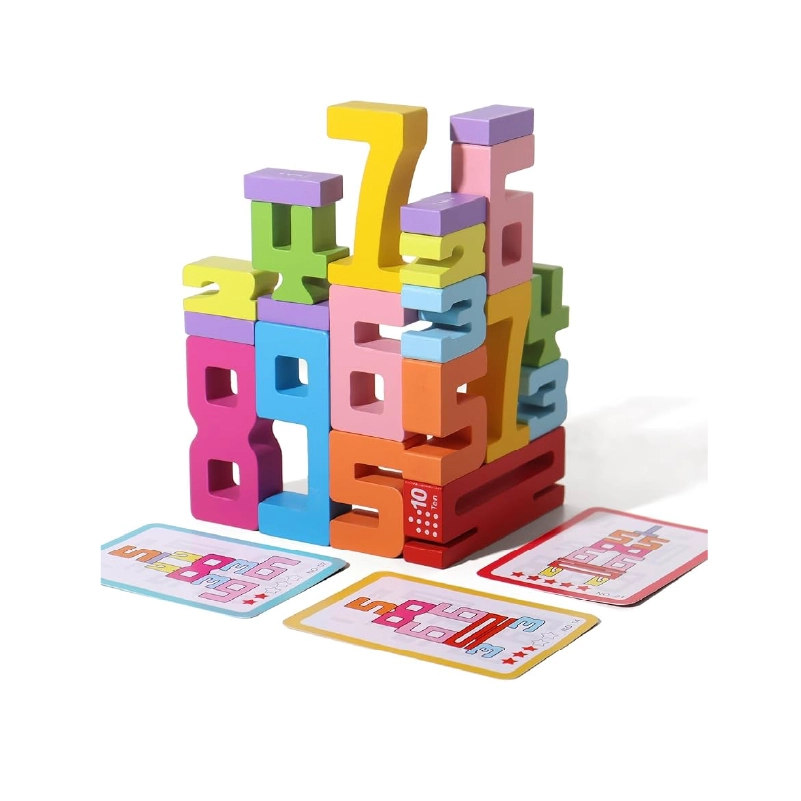
At Winning Kidz, every puzzle toy is created to make learning hands-on and joyful. Our collection includes a wide variety of puzzles, from simple beginner pieces to more challenging designs that grow with children’s skills. You will see floor puzzles that spark collaboration, magnetic puzzles that add an interactive twist, and beautifully crafted wooden sets that bring classic learning to life. Each style invites children to explore, imagine, and learn through play, and as you scroll down, you will discover just how many ways a puzzle can inspire young minds.

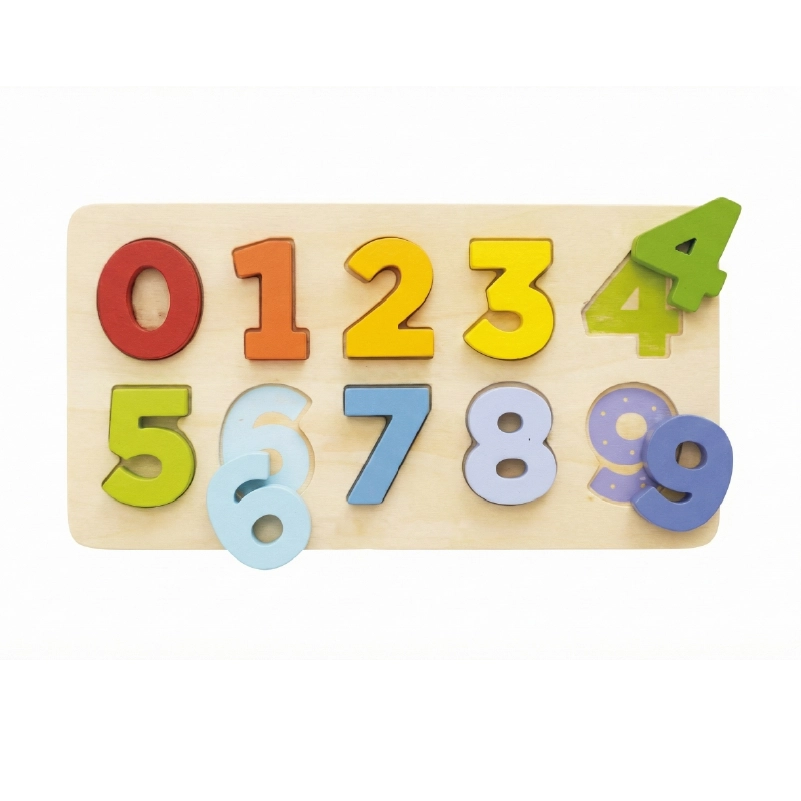
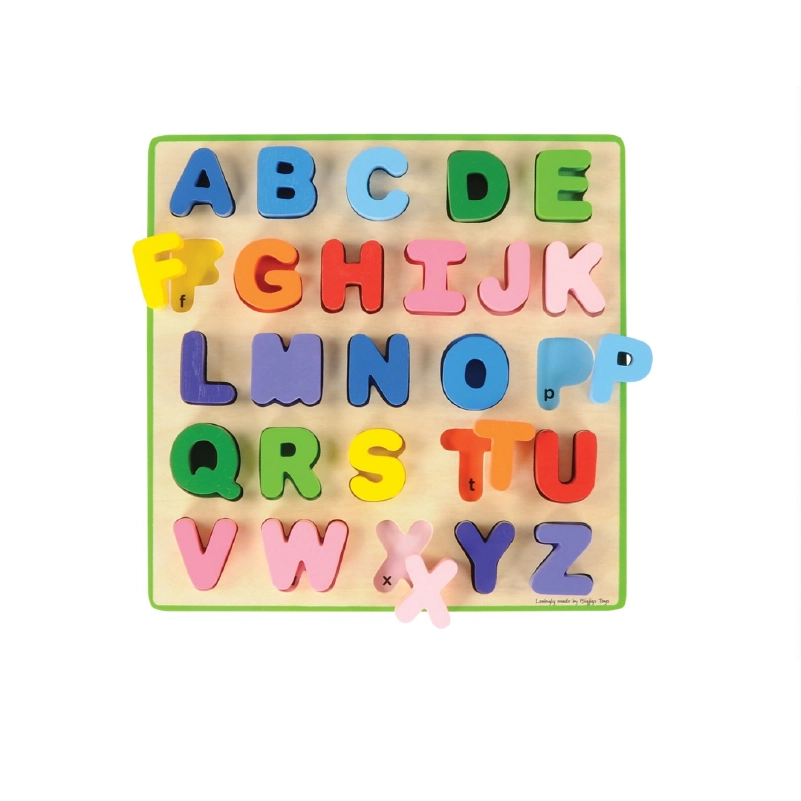
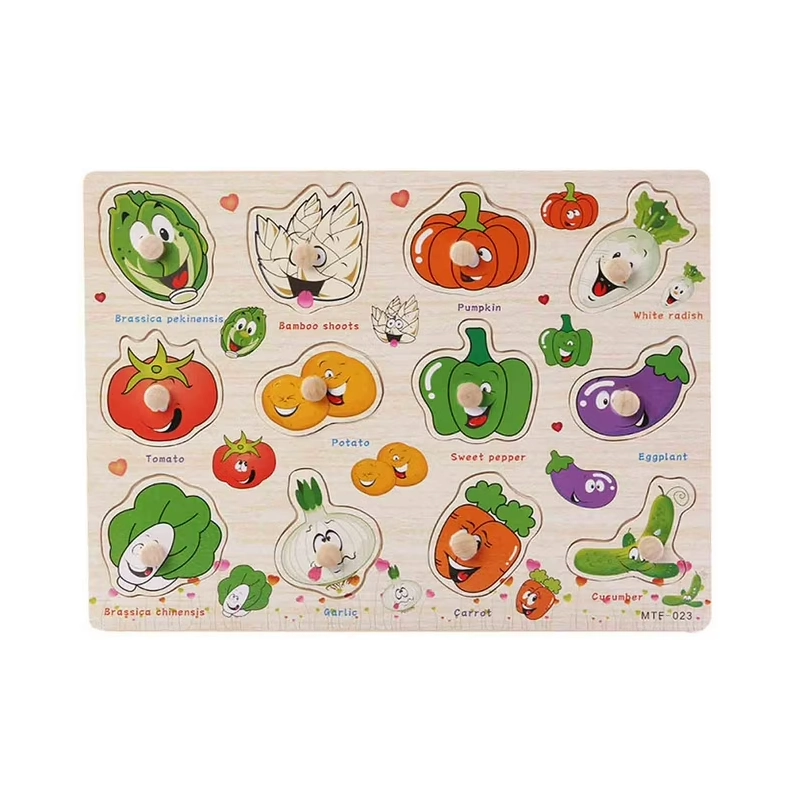
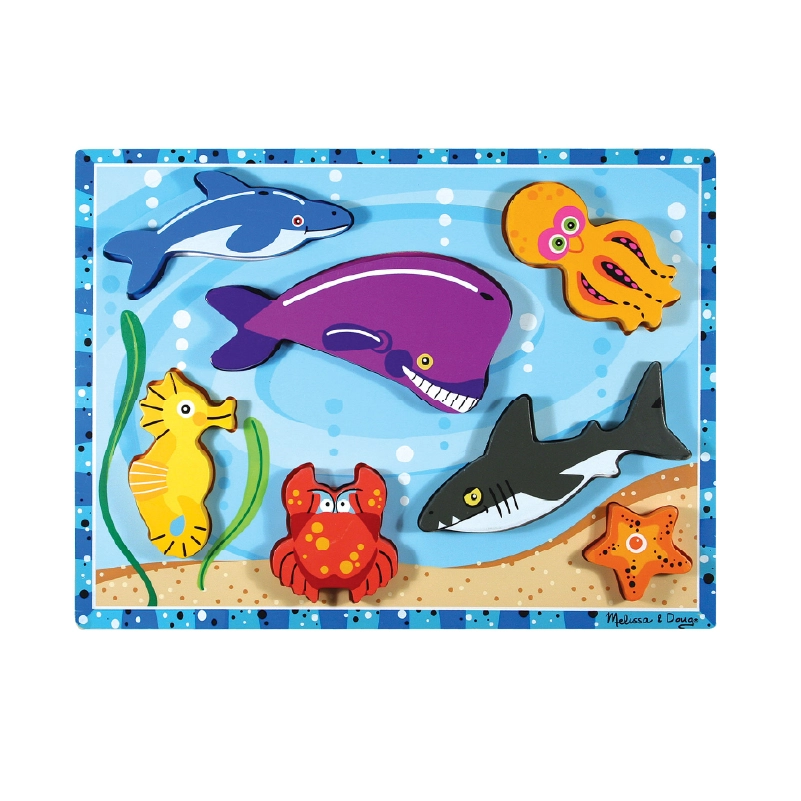
Chunky and Peg Puzzles

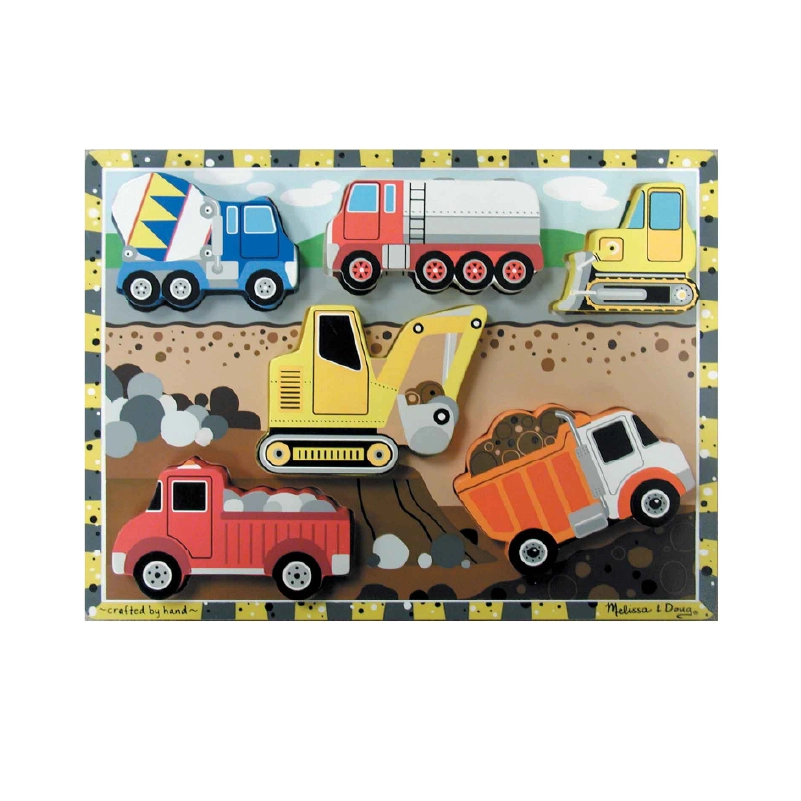
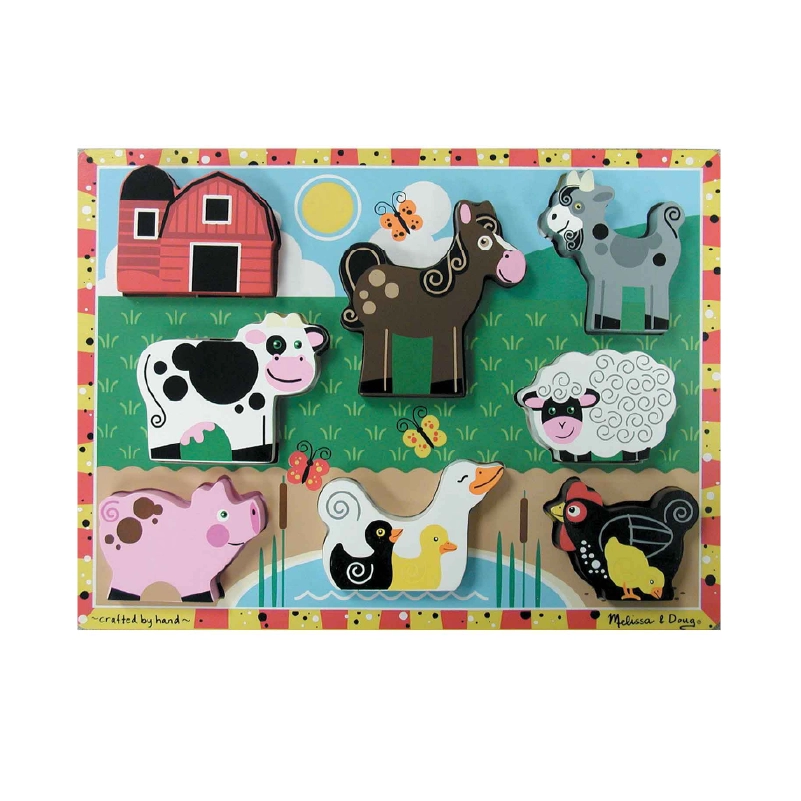
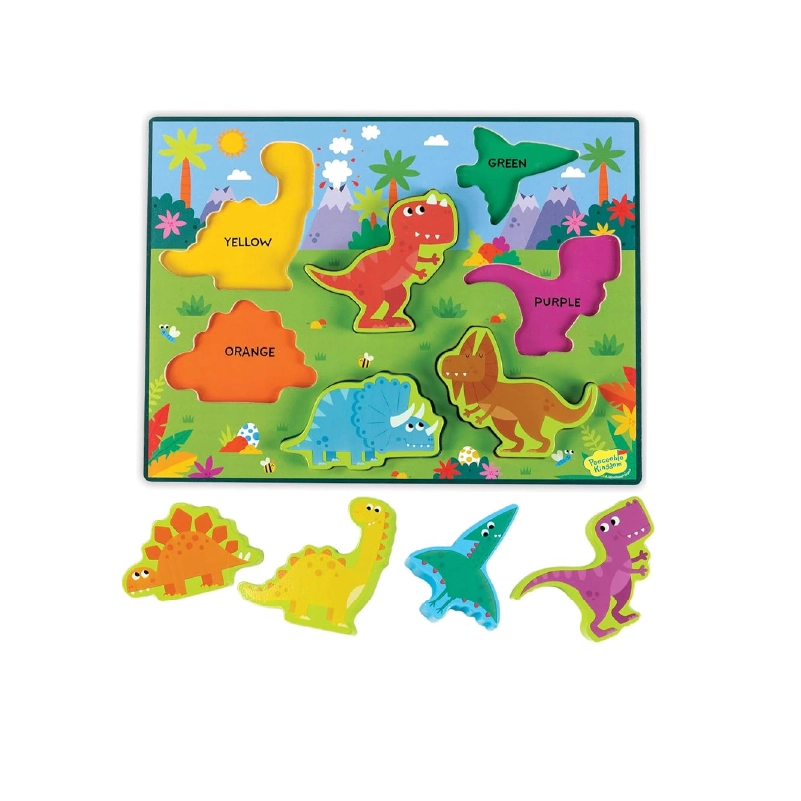
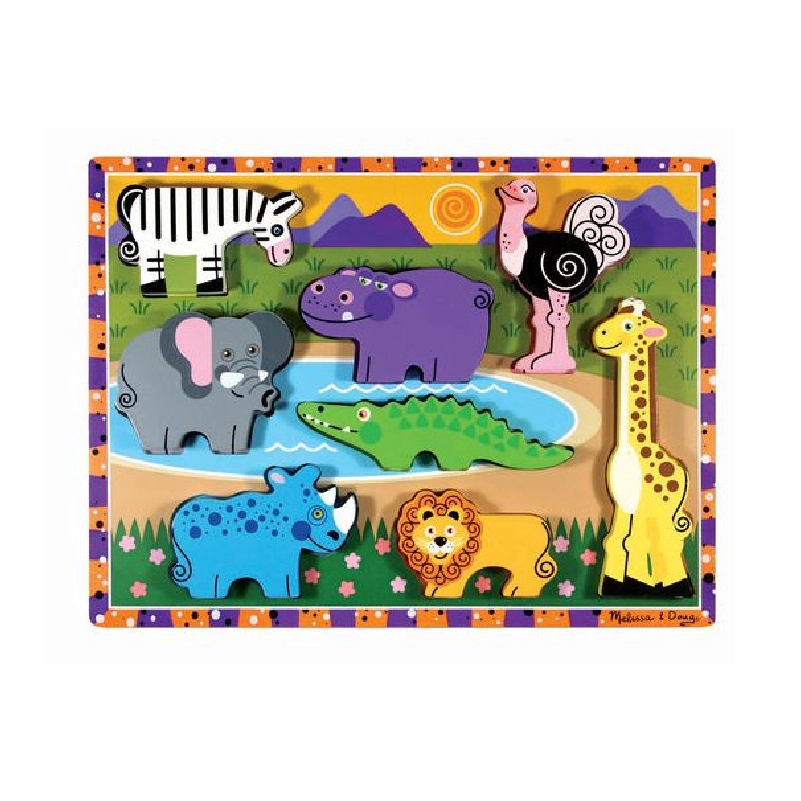
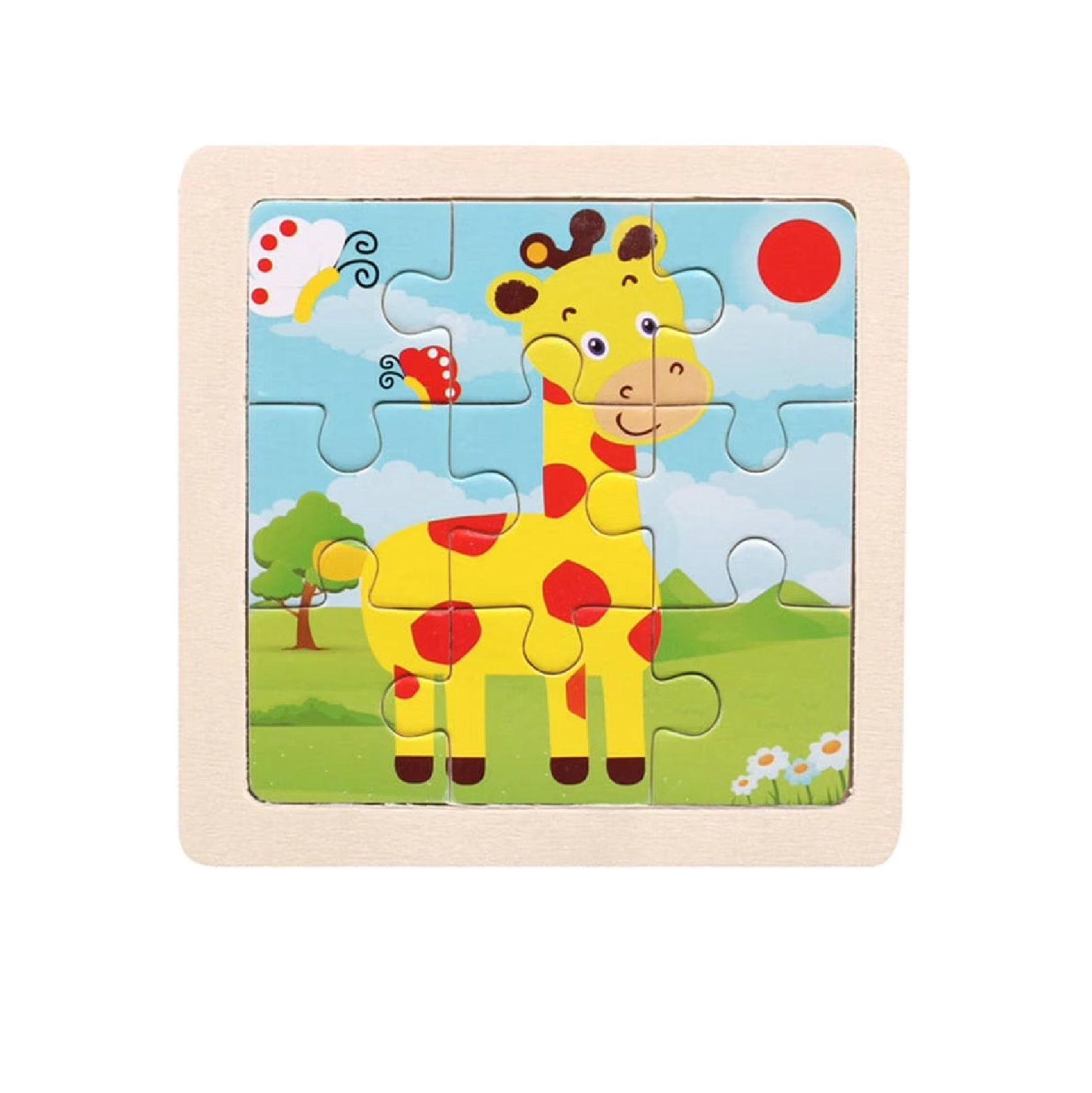
Perfect for little hands, Chunky and Peg Puzzles help toddlers strengthen fine motor skills and hand–eye coordination. Each sturdy wooden piece is easy to grasp and lift, allowing children to match shapes, animals, and colors while gaining confidence through independent play.

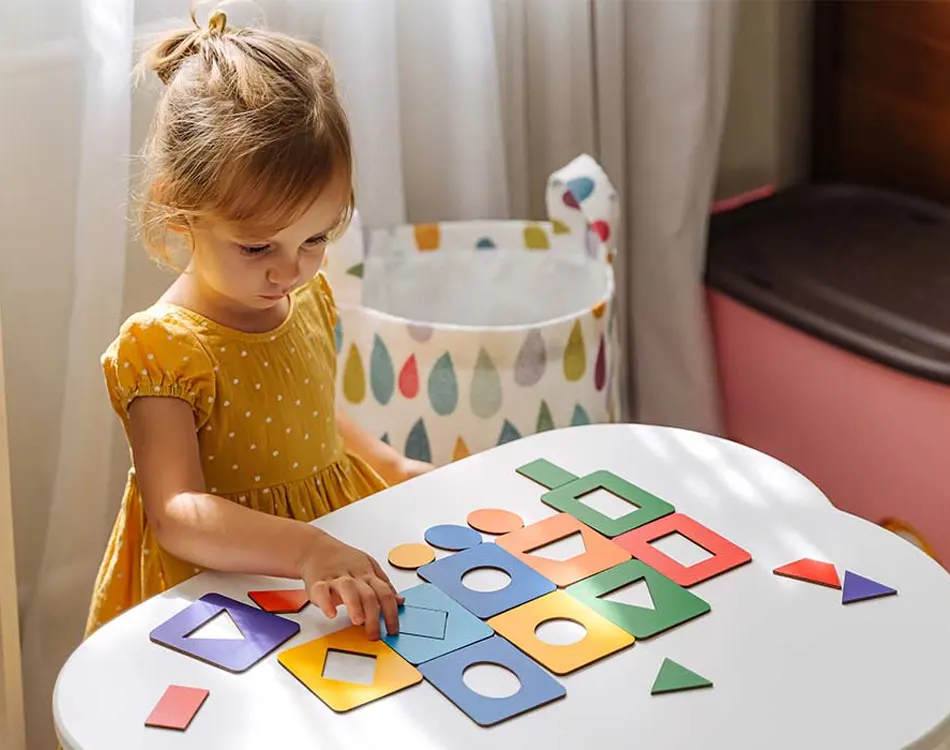
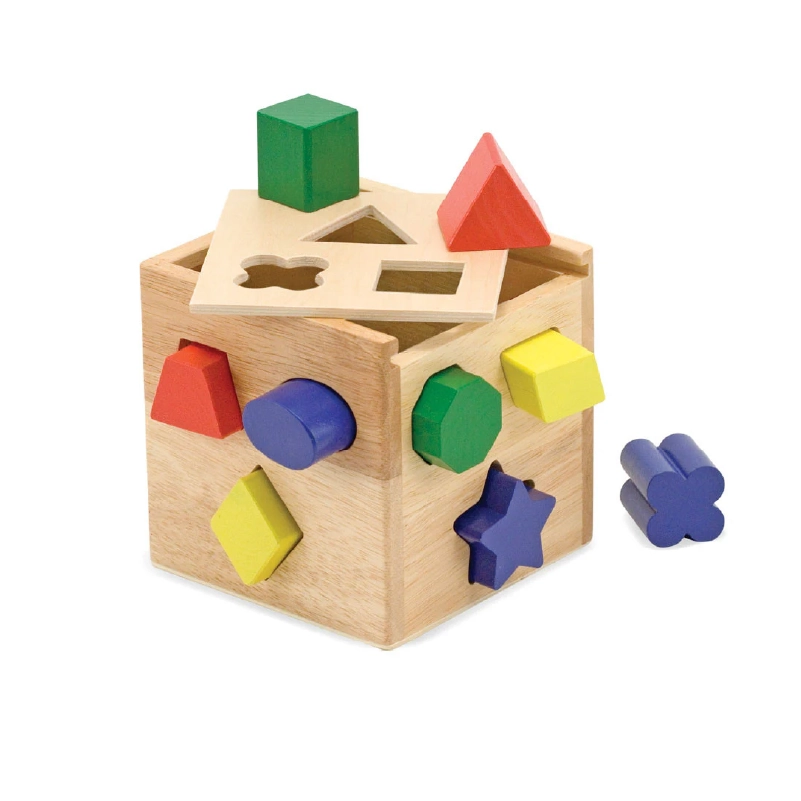
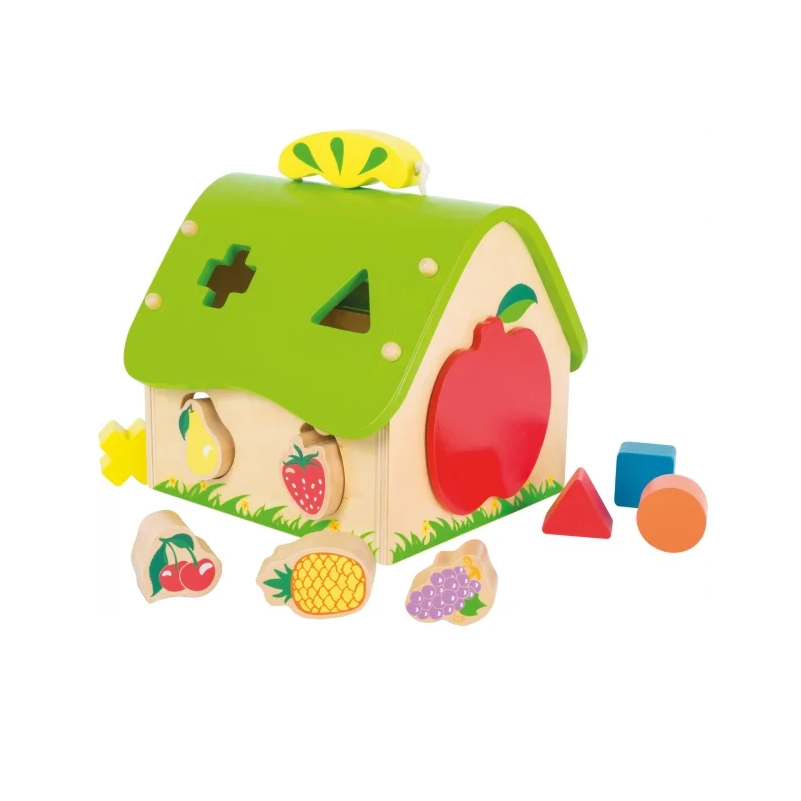
Сортировщики по форме

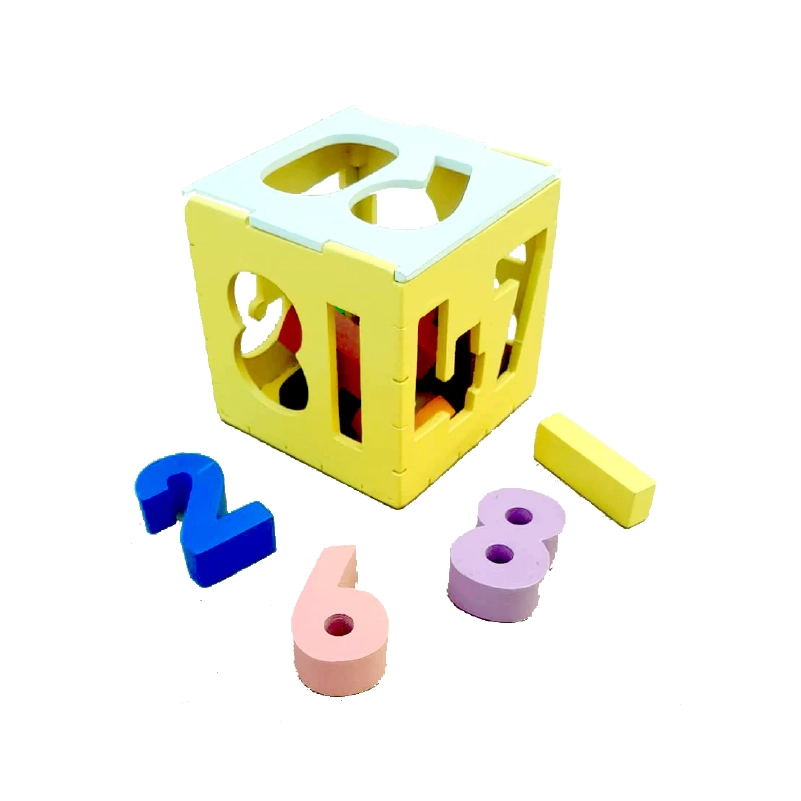
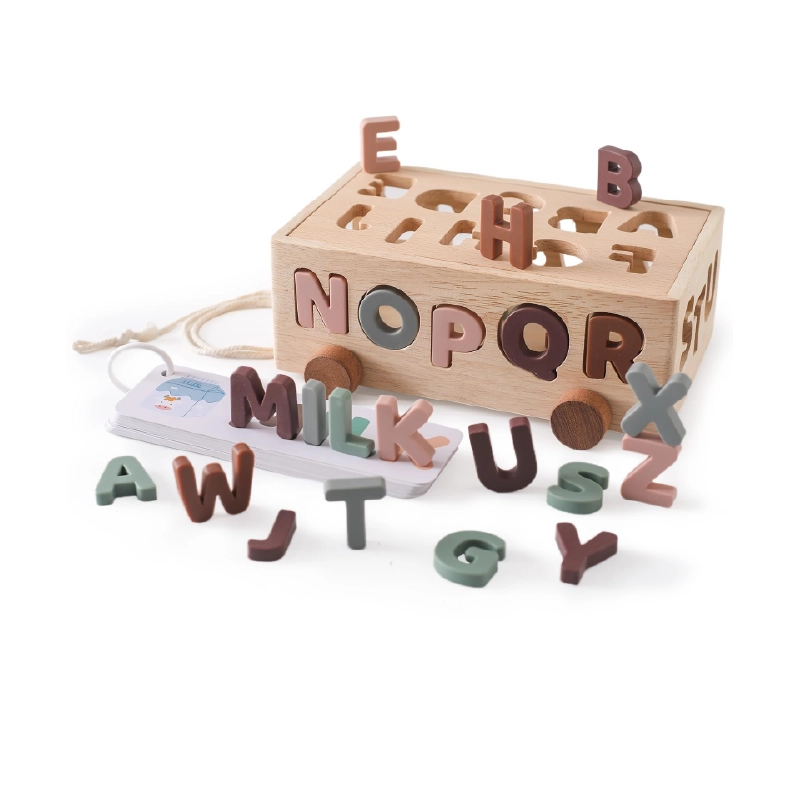
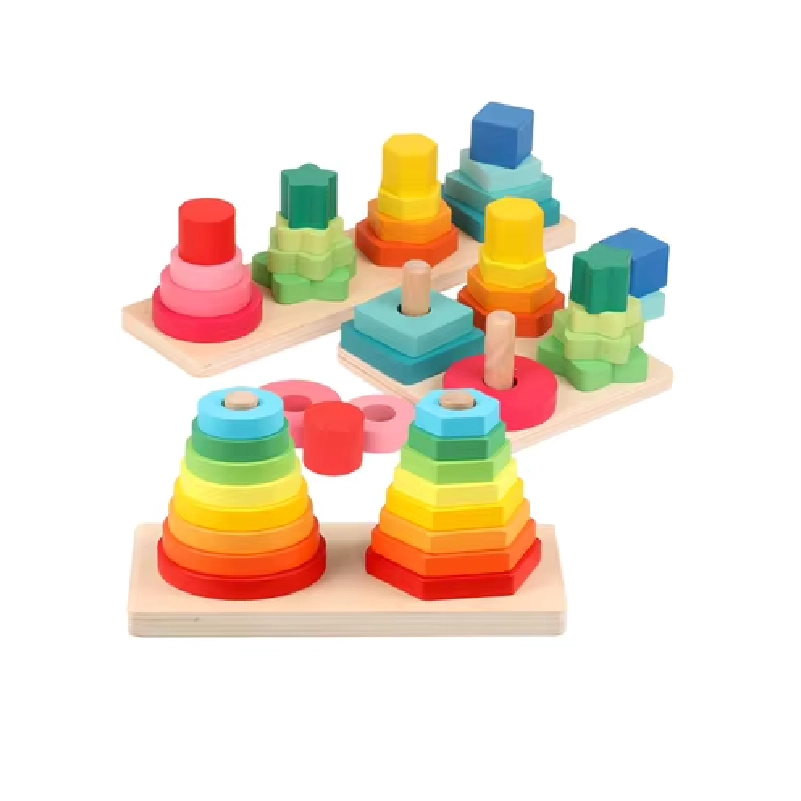
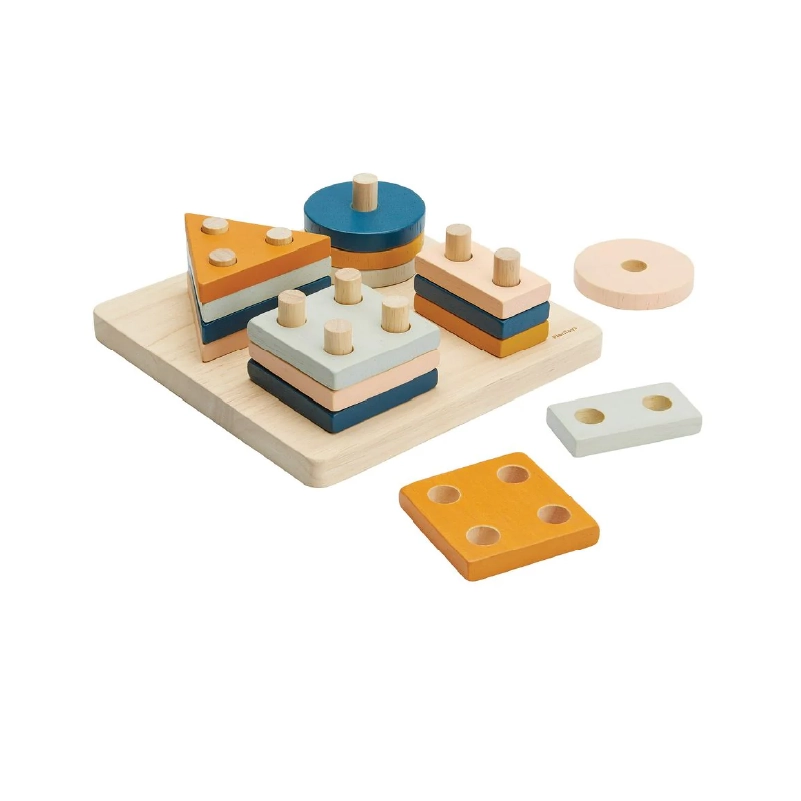
Our Сортировщики по форме combine fun with early learning. Children explore geometric forms, colors, and problem solving as they fit each block into its matching space. These classic learning toys encourage logical thinking, spatial awareness, and the joy of discovery through hands-on play.

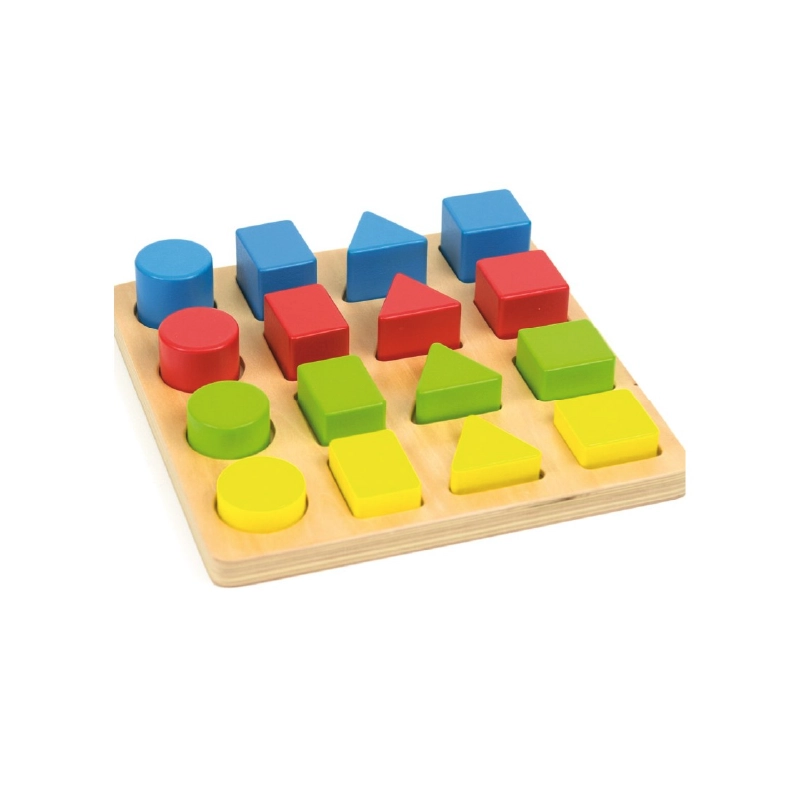
Frame Puzzles

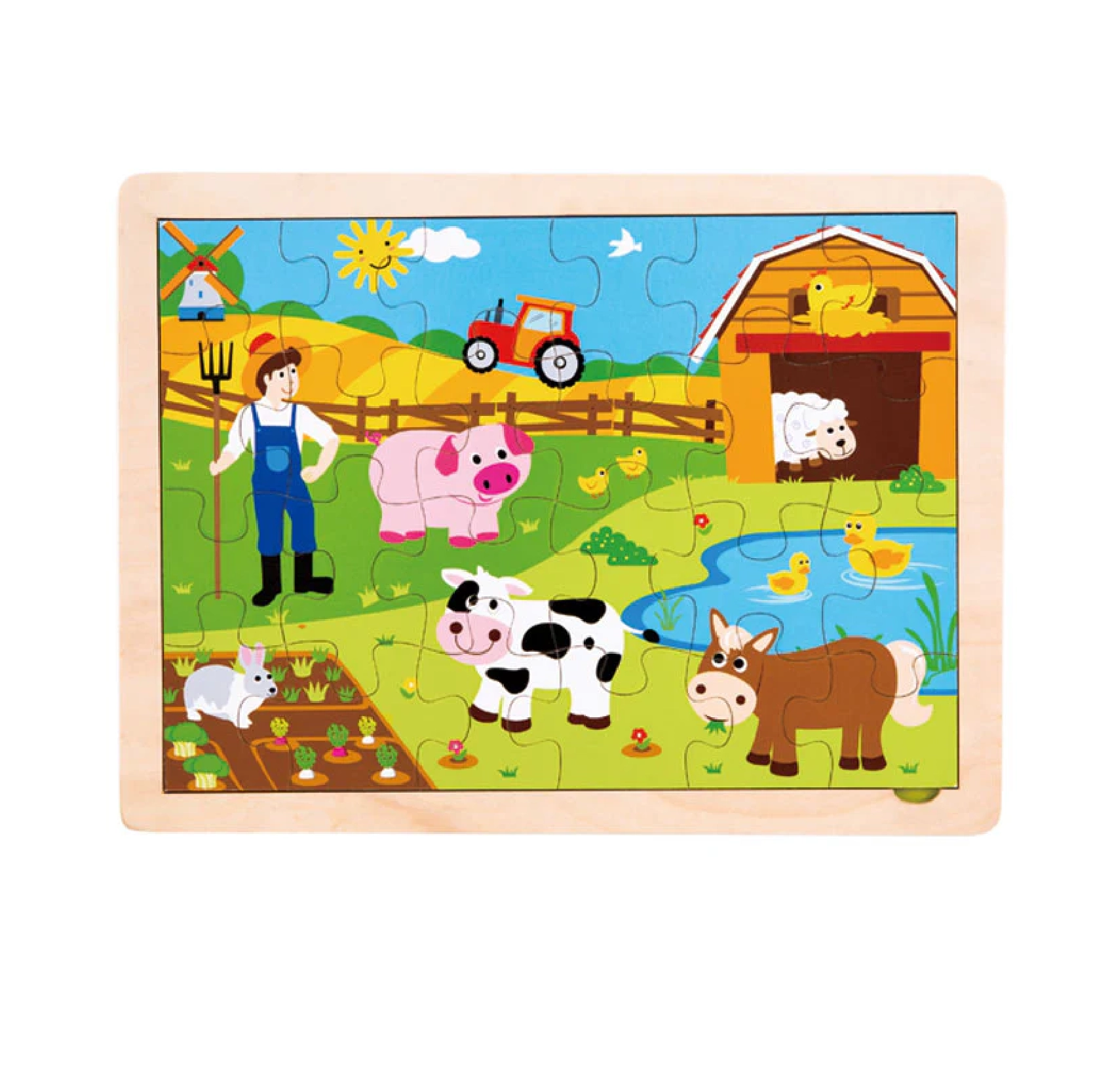
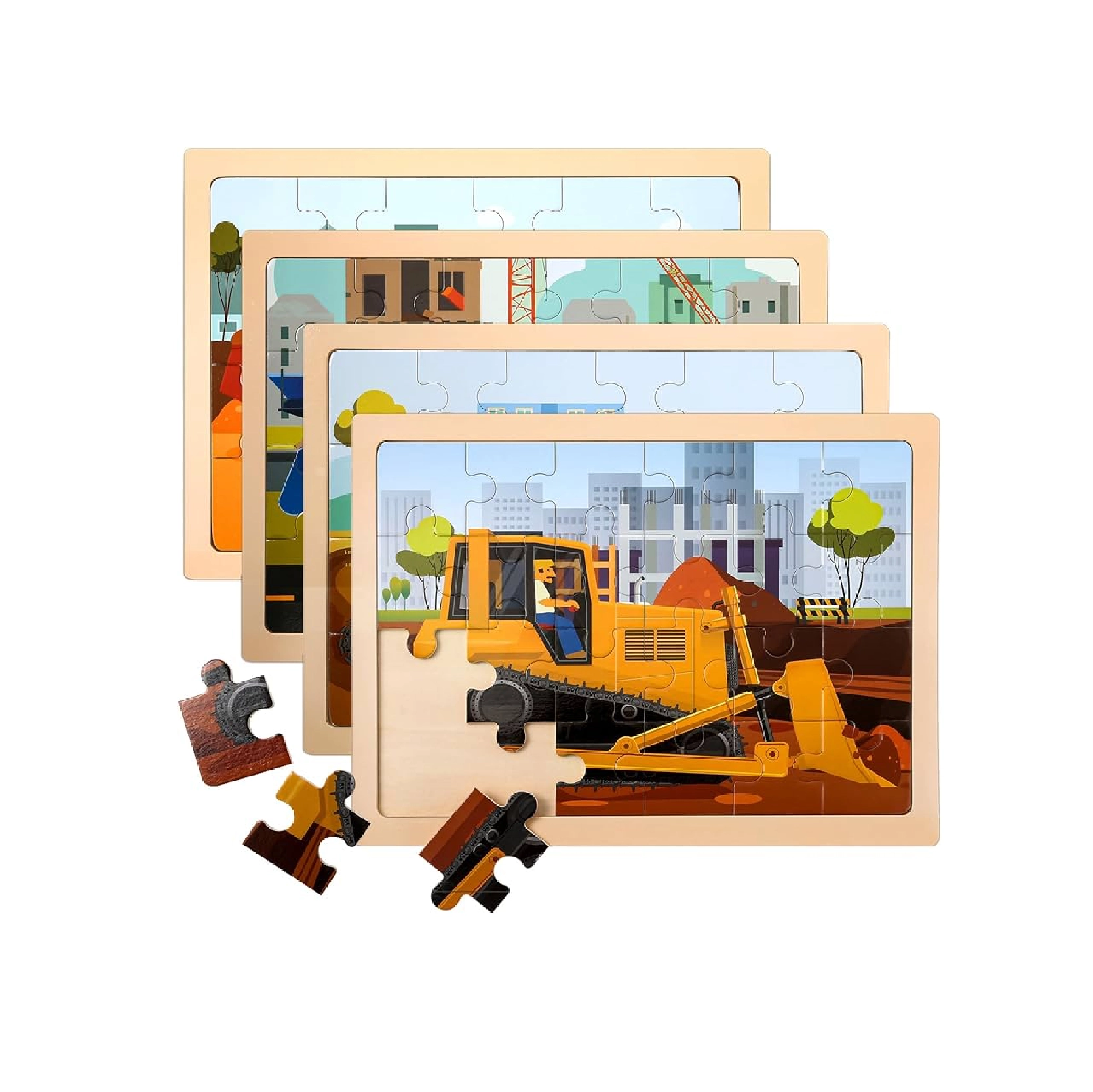
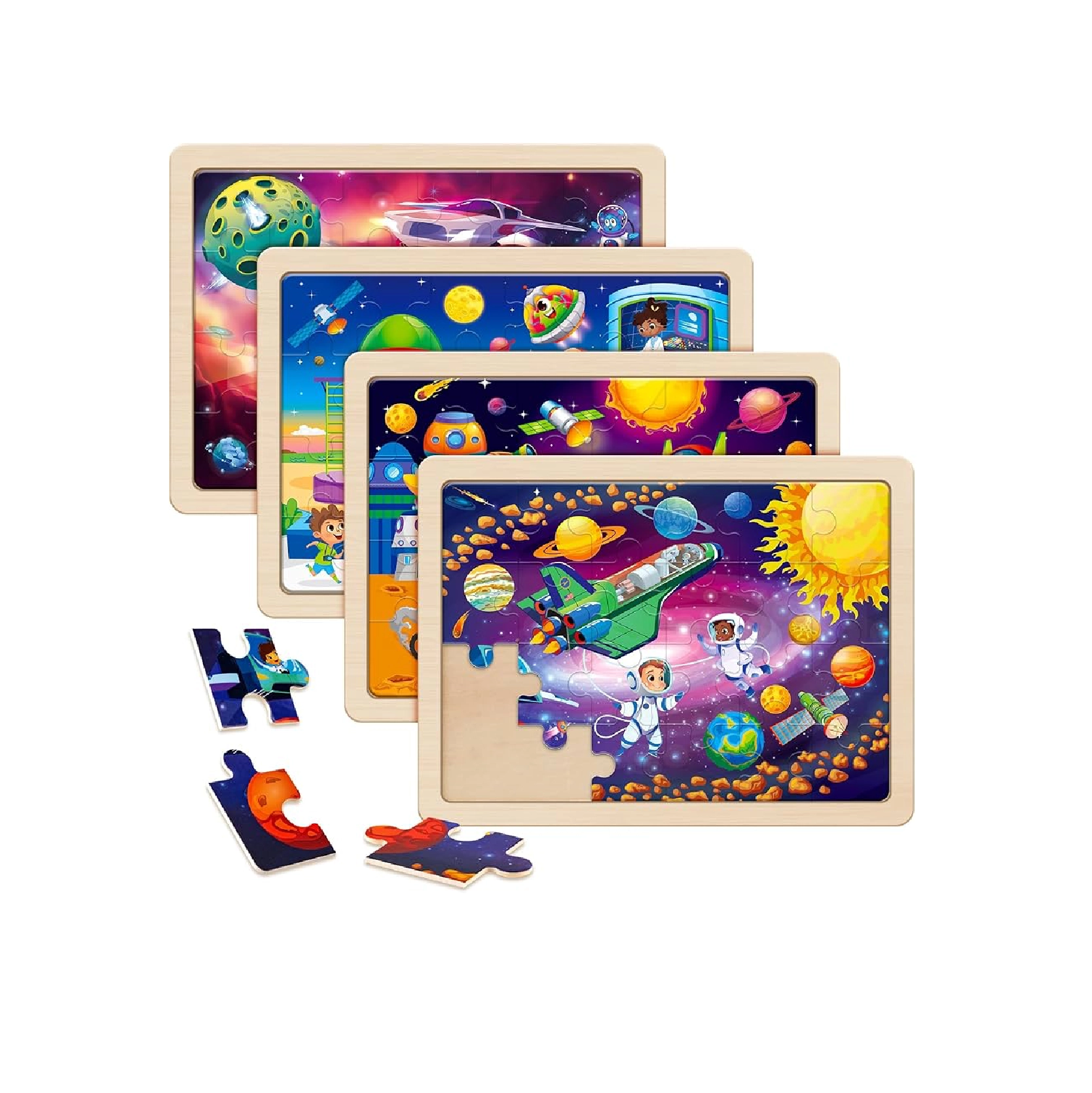
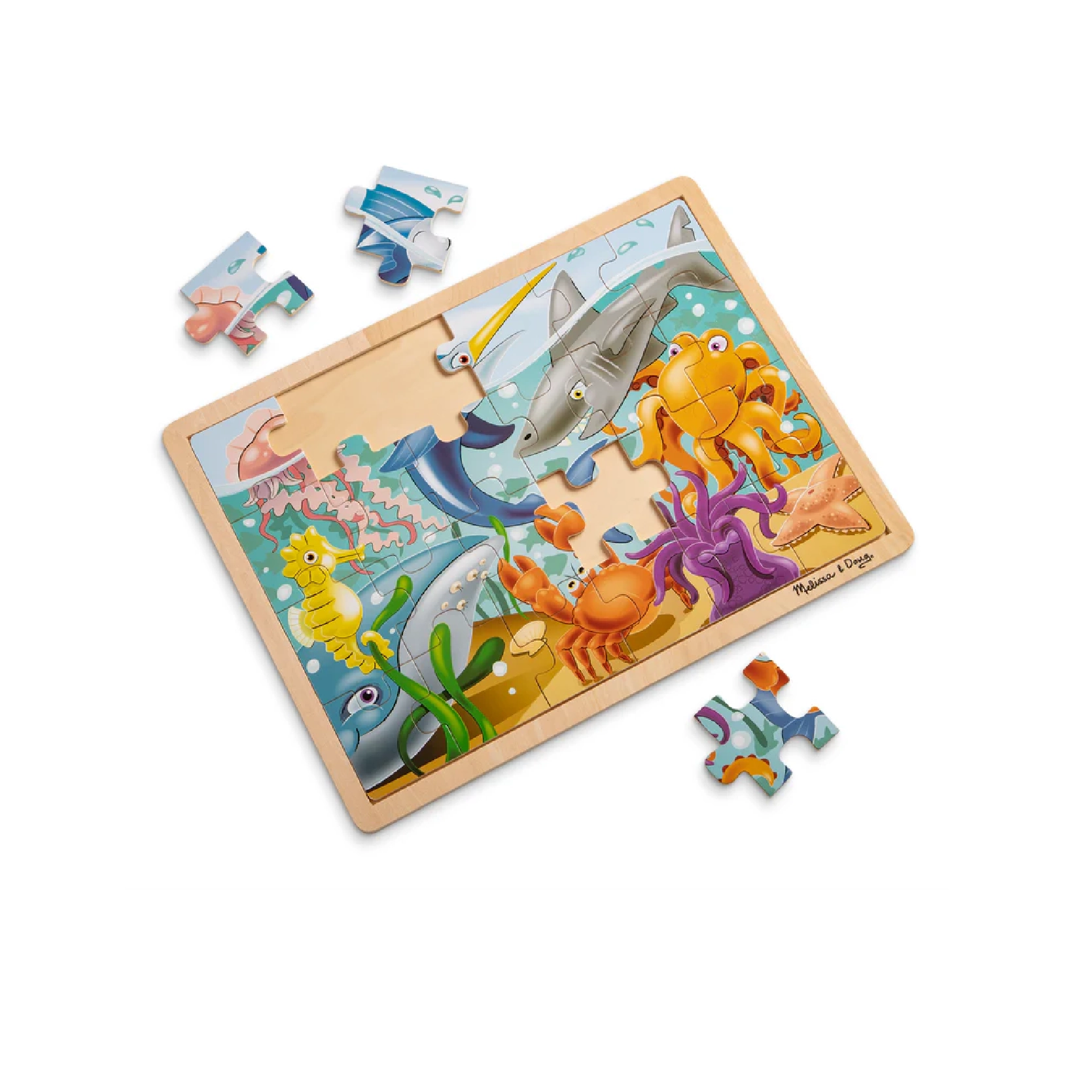
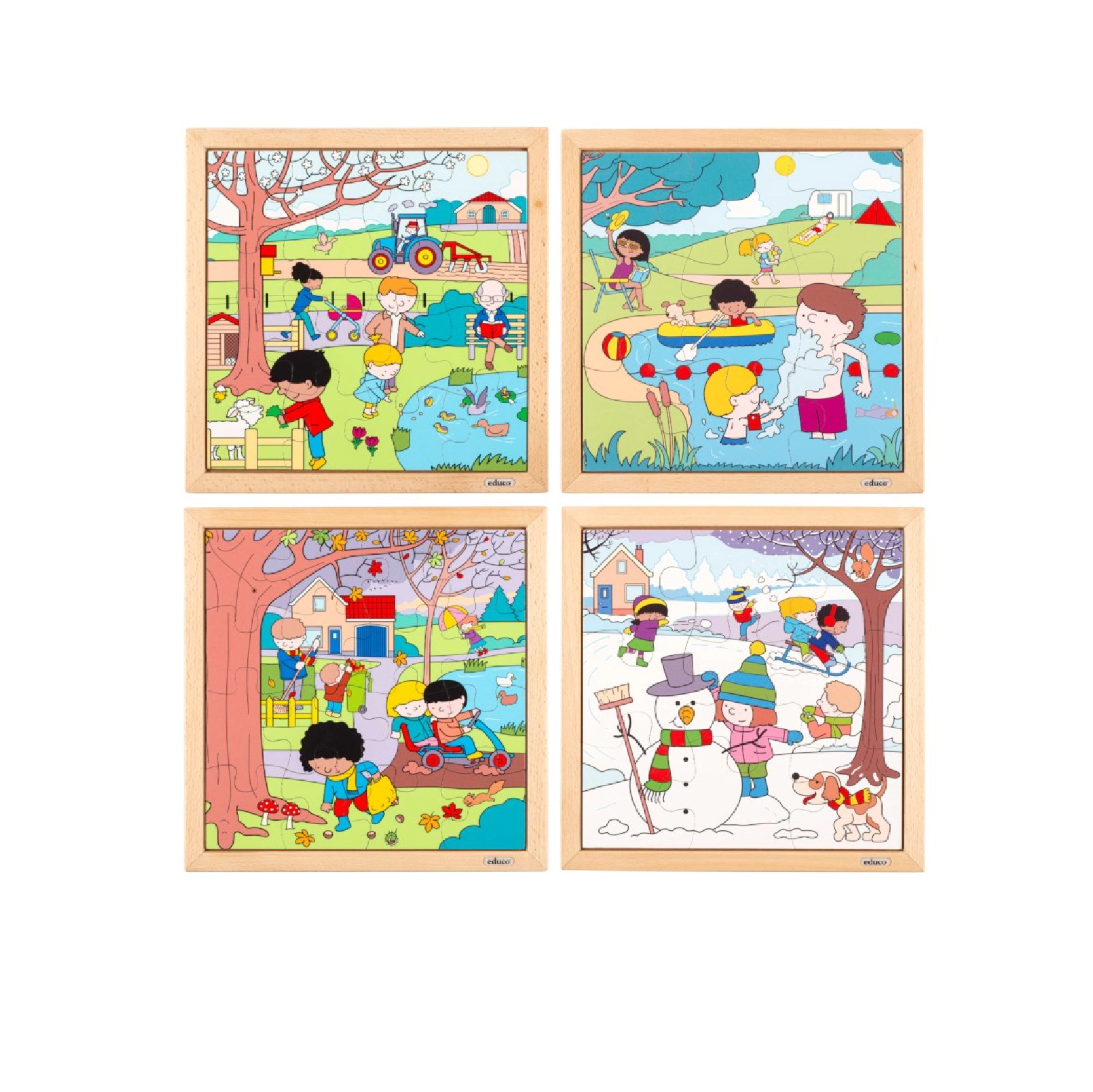
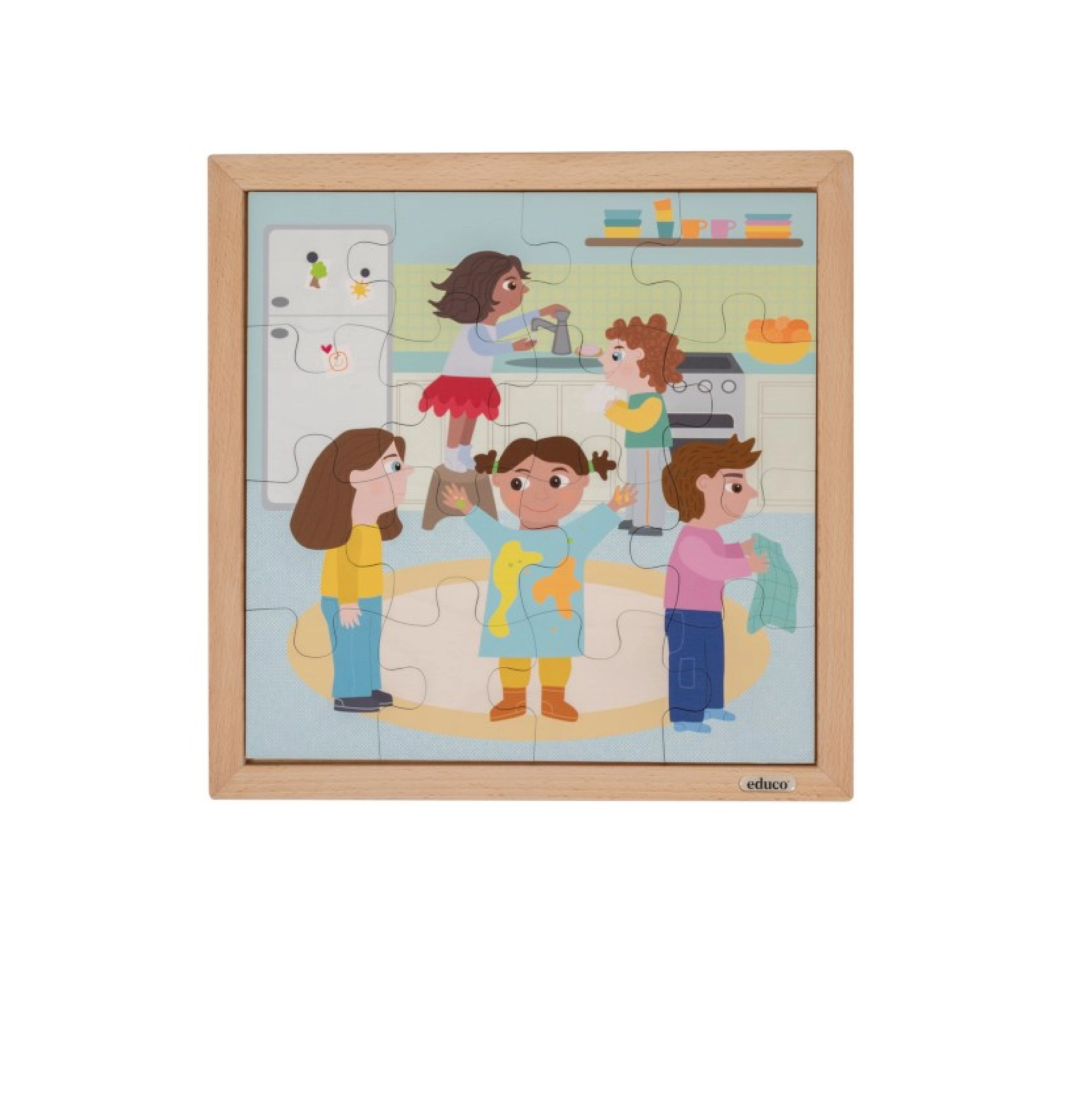
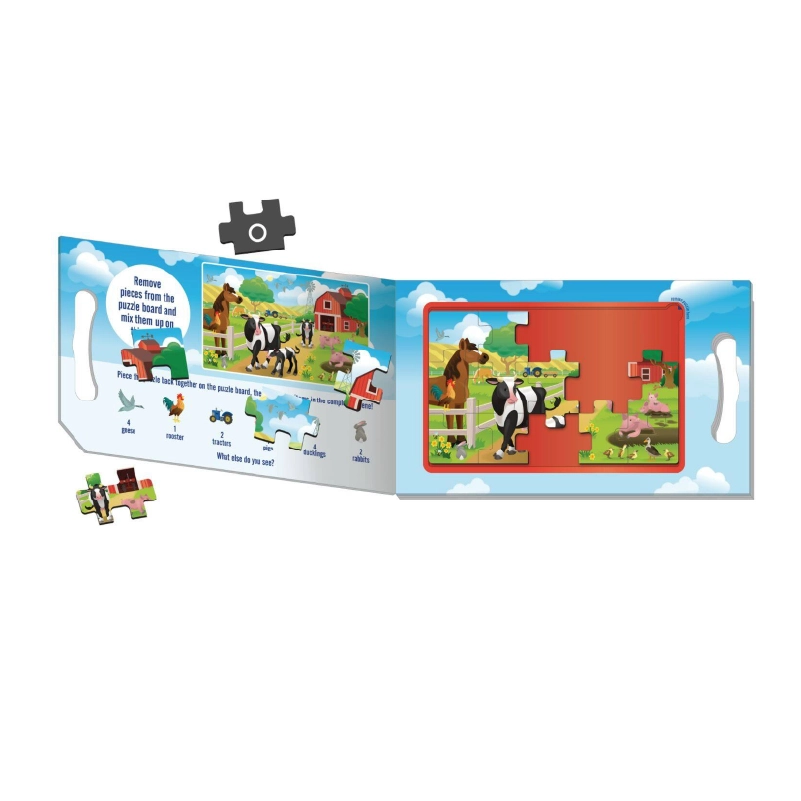
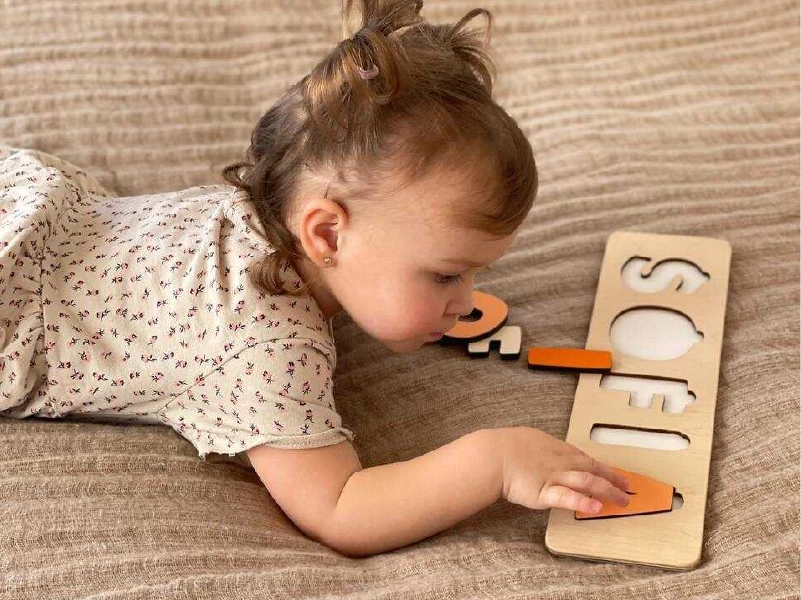
Designed for preschool beginners, Frame Puzzles introduce children to matching, sequencing, and image recognition. Each themed puzzle fits neatly within a guided frame, making it easier for young learners to complete pictures while building patience and concentration.

Floor Puzzles

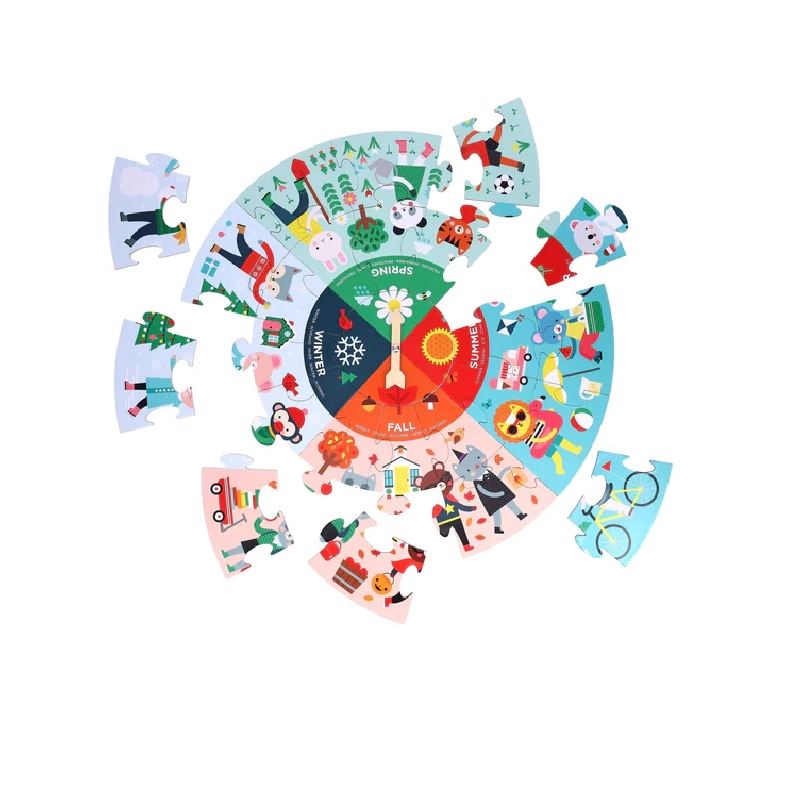
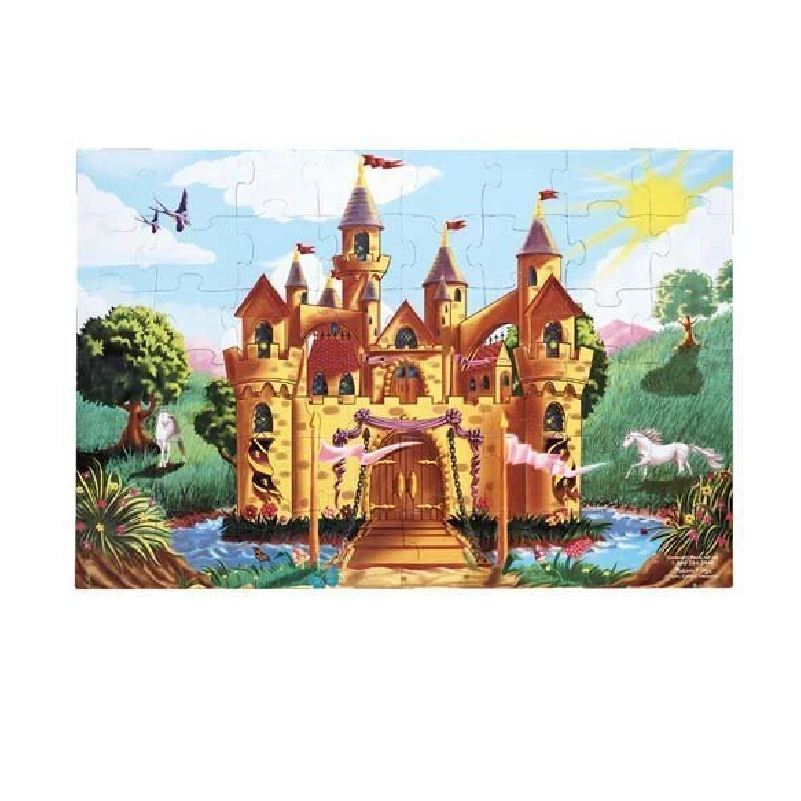
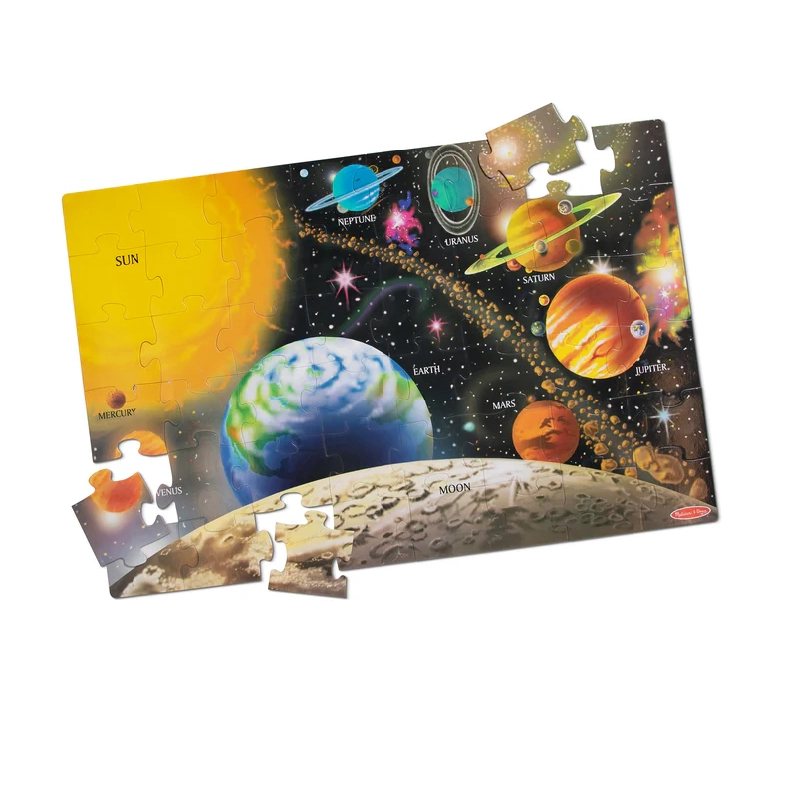
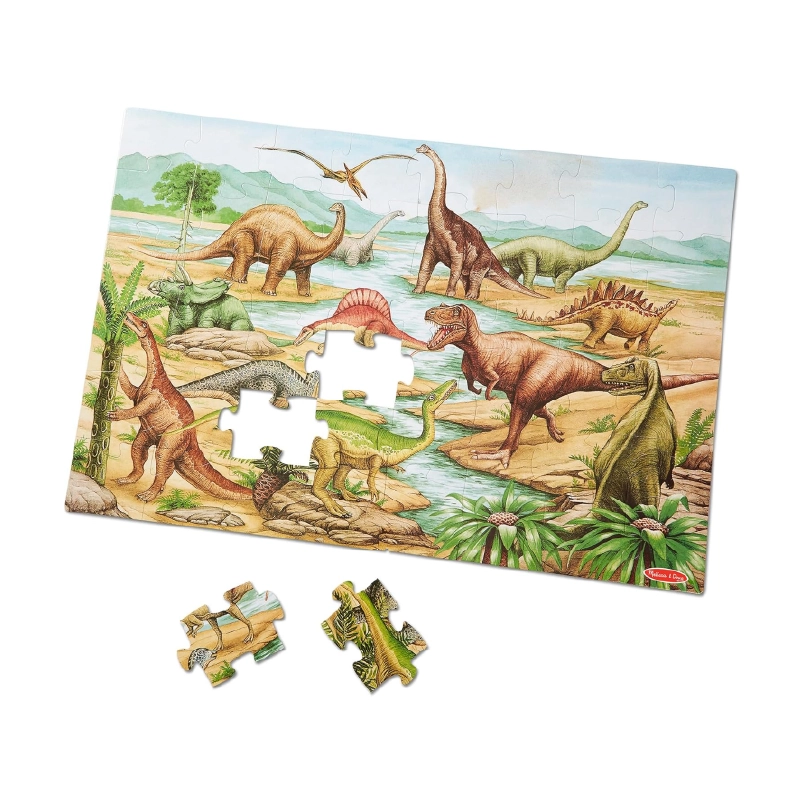
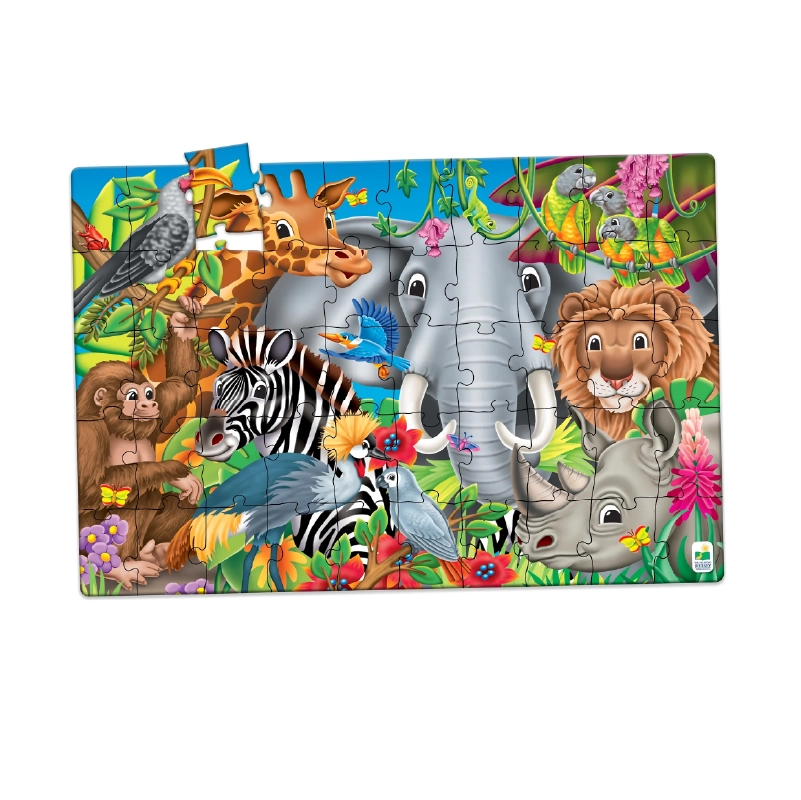
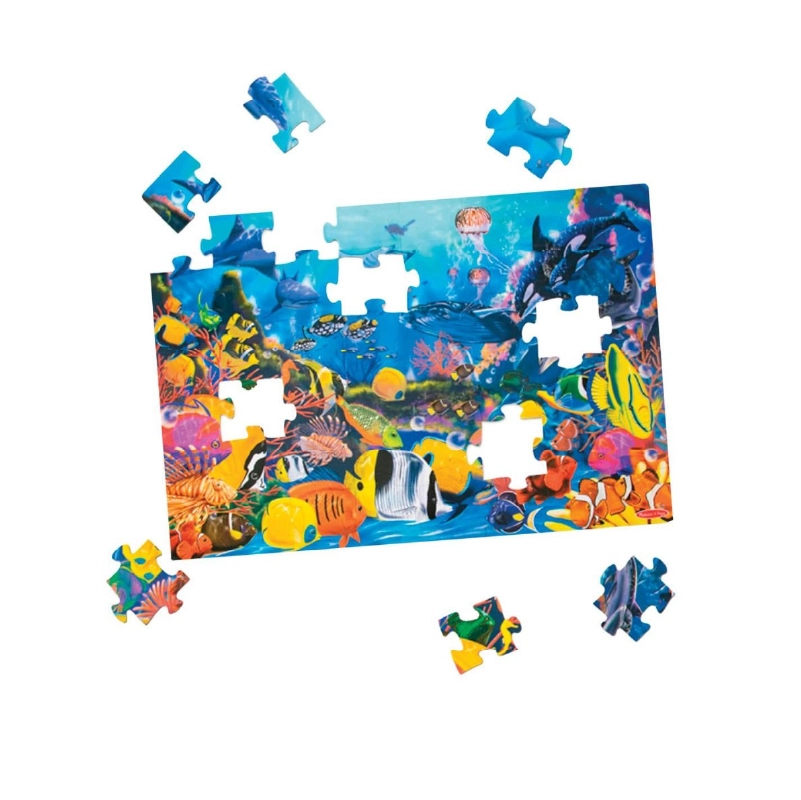
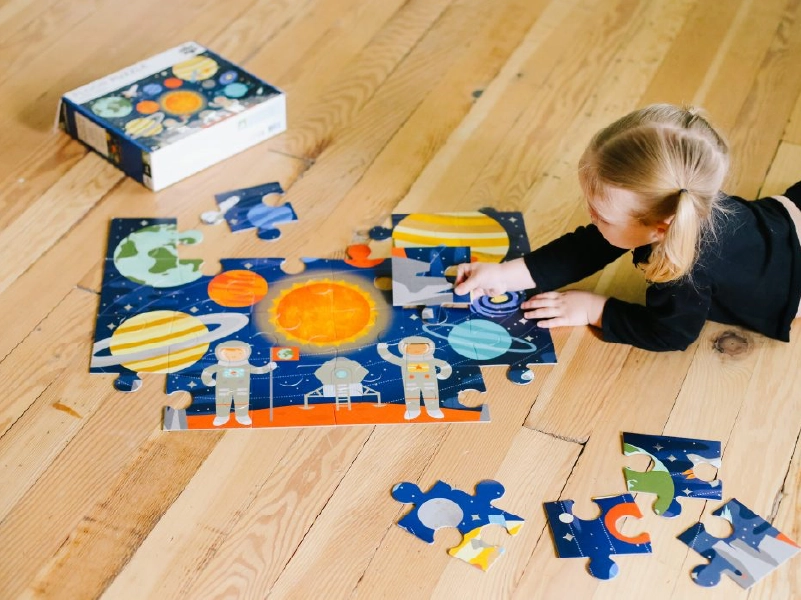
Large, colorful, and engaging, Floor Puzzles invite children to work together on big picture challenges. Ideal for group play and classroom activities, they help develop teamwork, spatial reasoning, and visual memory while transforming the floor into a space for interactive learning.

Magnetic Puzzles

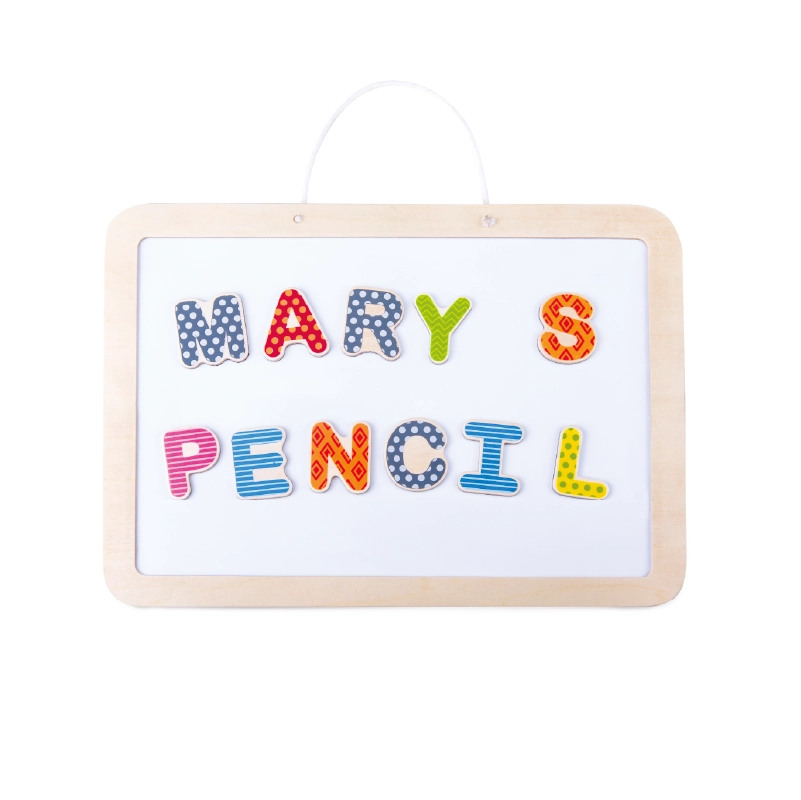
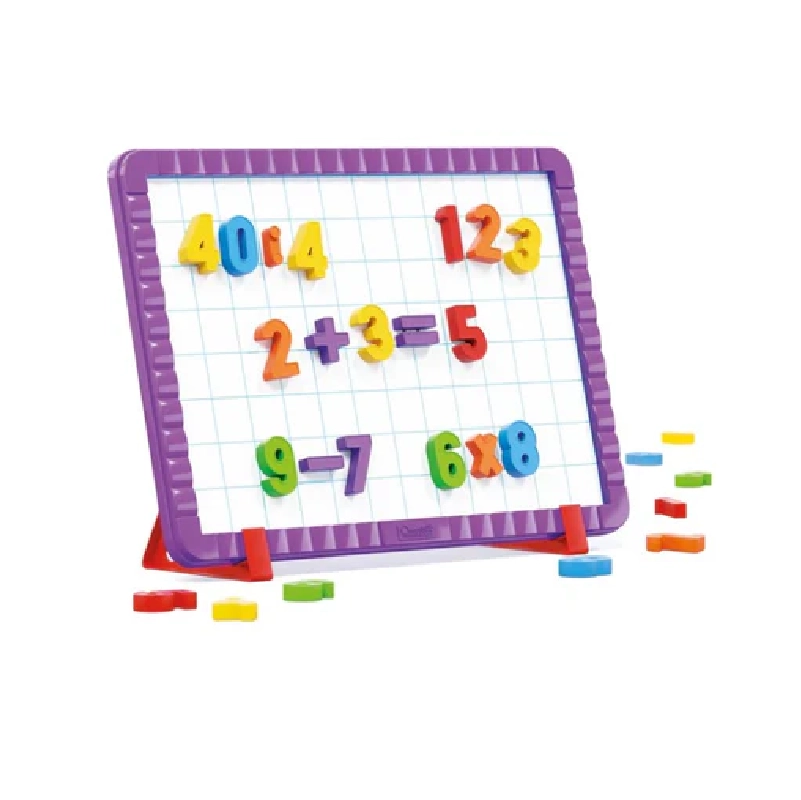
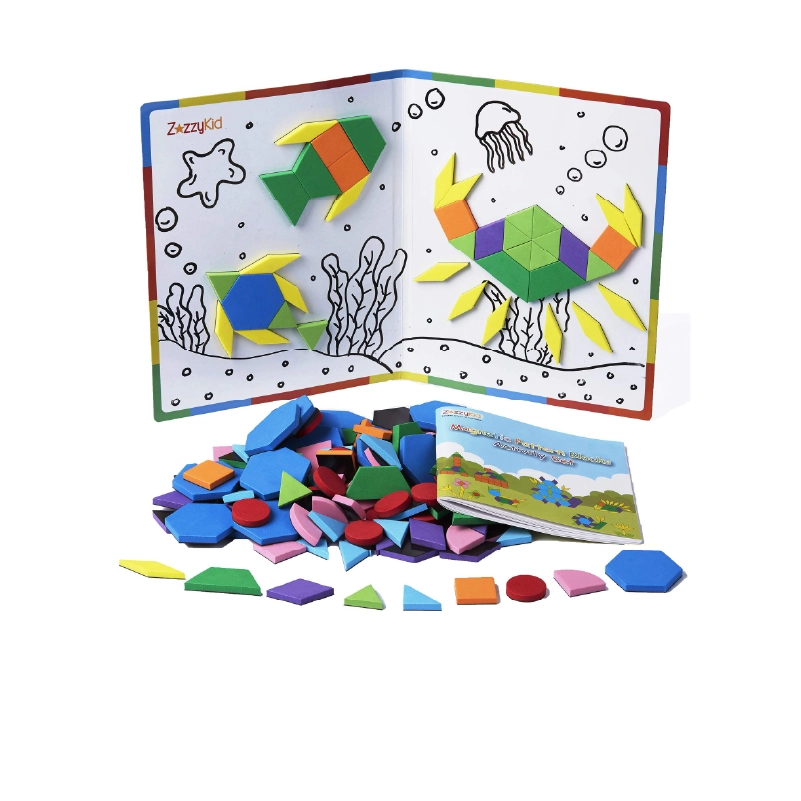
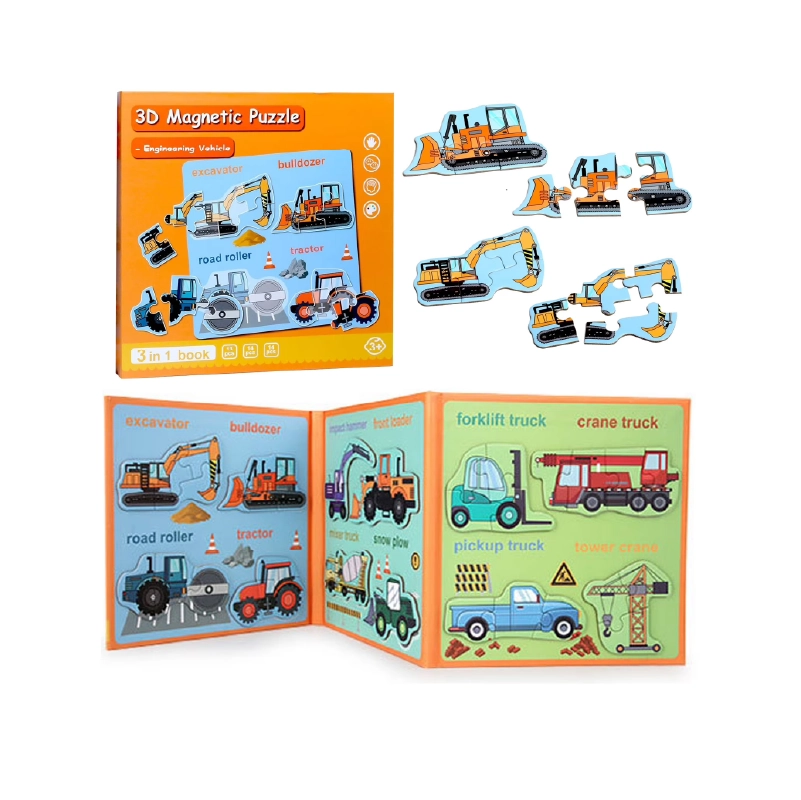
Portable and mess free, Magnetic Puzzles make learning fun anywhere. The magnetic backing keeps every piece in place, allowing children to explore letters, numbers, or images without frustration. Perfect for travel or classroom centers, they blend creativity with convenience.

3D Puzzles

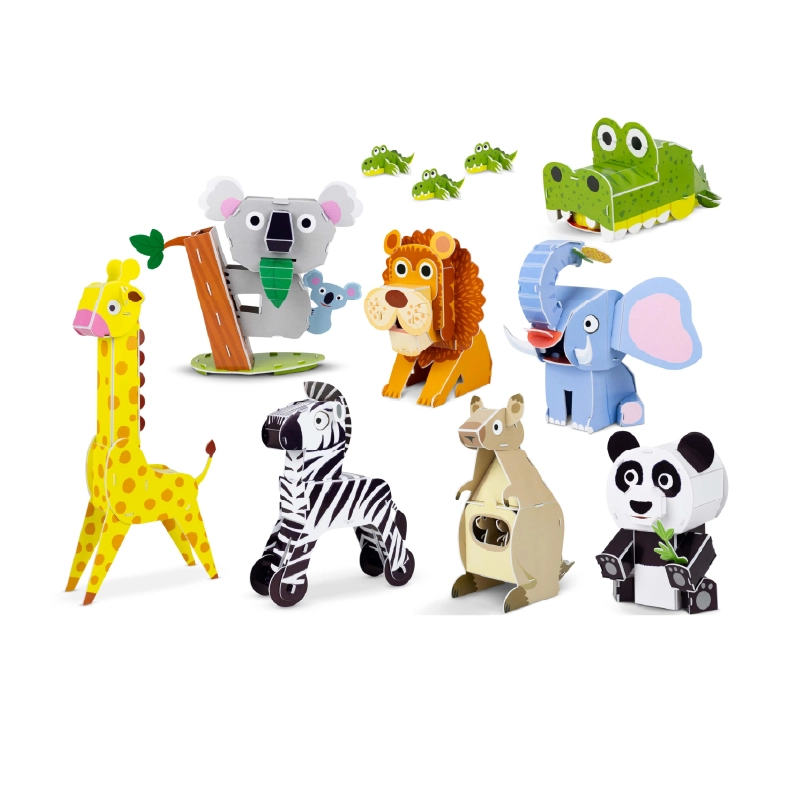
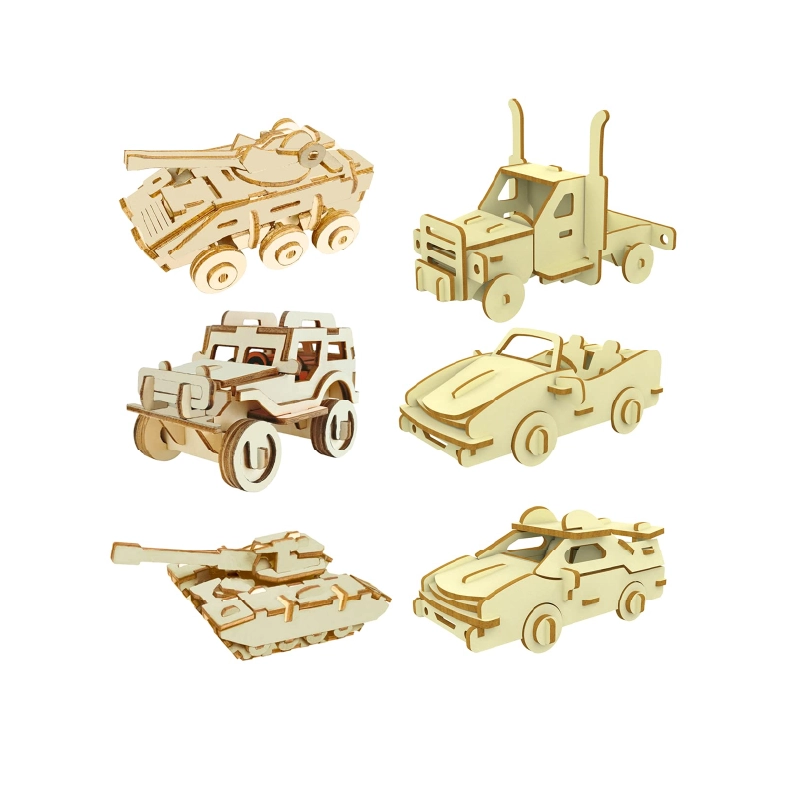
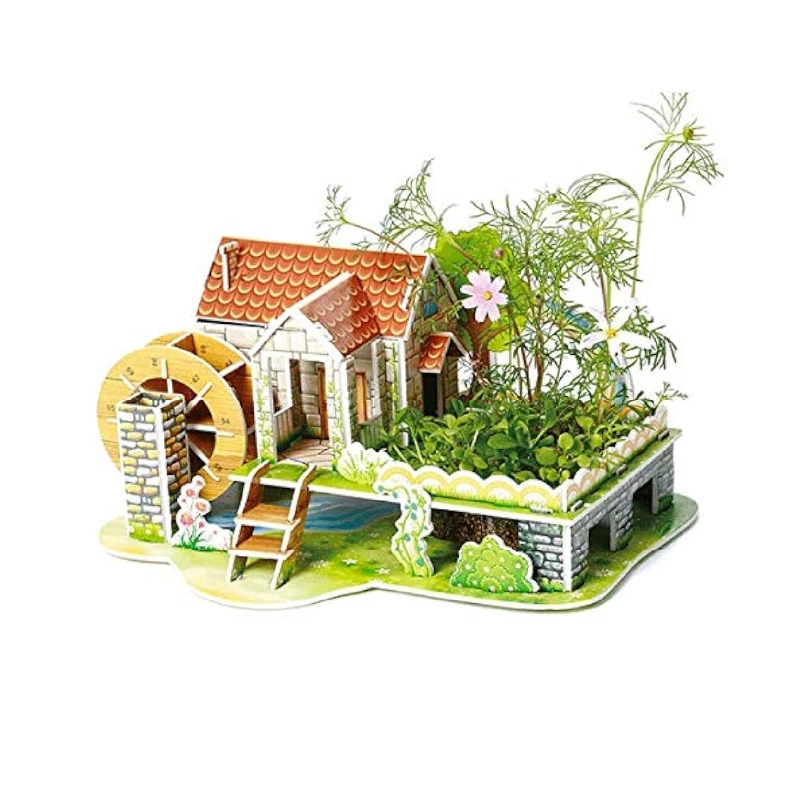
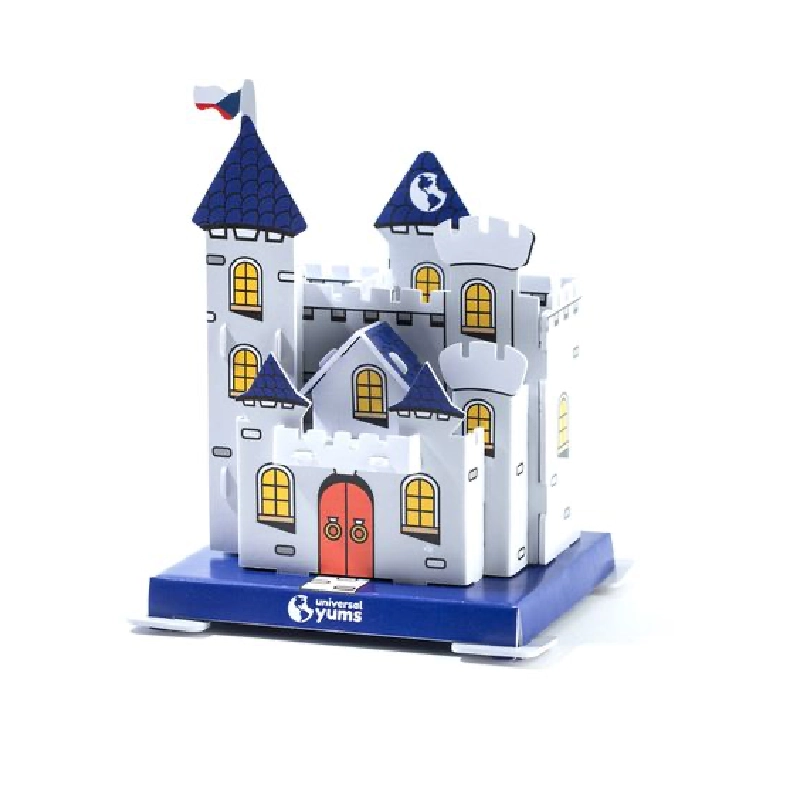
Our 3D Puzzles add a new dimension to problem solving. By assembling layered pieces into standing models, children enhance spatial awareness, patience, and critical thinking. These puzzles inspire curiosity and innovation, offering a playful challenge for growing minds.

Winning Kidz: Trusted Manufacturer of Quality Puzzle Toys for Early Learning

As a dedicated puzzle toys manufacturer, Winning Kidz focuses on creating safe, durable, and educational puzzles that support children’s development in early learning environments. We design and produce a wide variety of wooden and interactive puzzle toys that combine creativity with practical learning value. Every product is crafted with precision using child-safe materials and eco-friendly finishes, ensuring lasting quality and classroom safety. From design customization to global delivery, we provide complete manufacturing solutions that help schools and educational suppliers build engaging learning experiences through play.

Premium Materials Used in Our Puzzle Toys

Every puzzle toy we make begins with safe, durable, and eco-friendly materials carefully chosen to ensure quality, safety, and longevity in every classroom or home environment. These materials not only provide a smooth, child-friendly touch but also maintain their shape and color after years of play.

  • Массив дерева Strong and natural, ideal for chunky and peg puzzles that require sturdiness and precision.
  • Фанера Smooth and stable, perfect for printed puzzles with detailed graphics and colorful finishes.
  • МДФ Provides consistent thickness and shape, suitable for large or themed puzzles.
  • Magnetic Sheet and Board Used for interactive magnetic puzzle toys, ensuring pieces stay in place during play.
  • Non-toxic Paints and Water-based Coatings Certified safe for children, offering bright colors and a smooth surface finish.

Puzzle Toys by Age

Infants Puzzle

For Infants (0–1 Years)

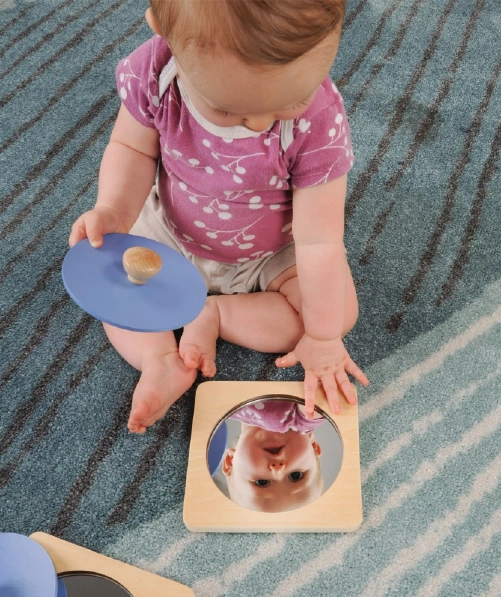
At this stage, babies are discovering how their hands and eyes work together. They enjoy touching, mouthing, and shaking objects to see what happens. Soft and simple puzzle toys such as large wooden knob puzzles or silicone shape puzzles are ideal. These toys don’t need to be completed; they simply encourage grasping, banging, and exploring textures. Every movement builds sensory awareness and fine-motor control that prepares infants for future puzzle play.

Toddlers Puzzle

For Toddlers (1–3 Years)

Toddlers are ready to start solving basic problems. They can now pick up and place pieces, understand cause and effect, and enjoy simple matching tasks. Chunky puzzles, peg puzzles, and shape sorters are perfect for this stage because they are sturdy, easy to handle, and visually rewarding. These puzzles introduce colors, animals, and familiar objects, helping toddlers develop focus and coordination while learning new words and concepts.
Preschoolers Puzzle

For Preschoolers (3–5 Years)

Preschoolers have longer attention spans and stronger reasoning skills. They are ready for frame puzzles, floor puzzles, and themed puzzles with more pieces and richer imagery. These help children understand sequencing, storytelling, and spatial relationships. Working on puzzles together also builds social and communication skills, making them great tools for classroom or family play.

Beyond Preschool Puzzle

Beyond Preschool (5+ Years)

By this age, children enjoy challenges and imaginative themes. They can explore magnetic puzzles or 3D puzzles that require patience, planning, and logical thinking. Such puzzles boost memory, creativity, and persistence while keeping learning playful. This stage turns puzzle solving into a meaningful hobby that combines curiosity with growing intellectual ability.
Benefits of Puzzle Toys for Kids

Strengthen Cognitive and Problem Solving Skills

When children work with puzzle toys, they learn how to analyze, plan, and think critically. Finding which piece fits where strengthens logical reasoning and pattern recognition. Over time, these small challenges train the brain to organize information and solve problems independently.

Support Fine Motor and Hand Eye Coordination

Puzzles require children to grasp, rotate, and place pieces precisely. This motion improves fine motor control, hand strength, and spatial awareness, skills that later support handwriting and other everyday tasks.

Build Patience and Concentration

Completing a puzzle teaches focus, persistence, and patience. Kids learn to slow down, observe carefully, and celebrate progress one step at a time. These habits naturally improve their attention span and self regulation during learning activities.

Encourage Social Interaction and Emotional Growth

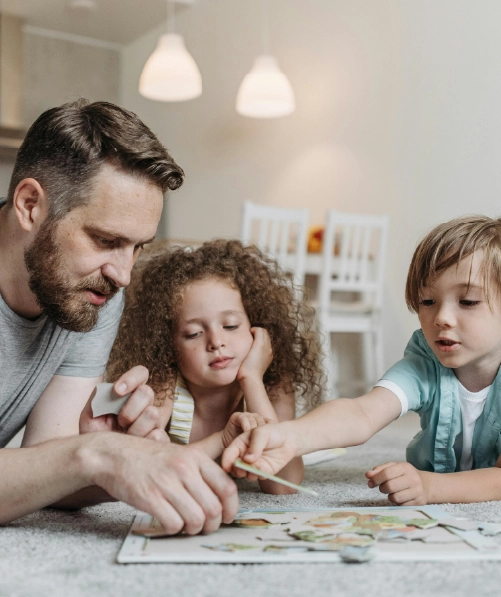
When children solve puzzles together, they communicate, take turns, and share ideas. This cooperative play strengthens social emotional skills such as empathy, teamwork, and confidence. A sense of achievement after finishing a puzzle also nurtures positive self esteem.

Kids Start Play Puzzle

When Can Kids Start Working on Puzzles

Before the age of two, most children are still developing the coordination and problem solving skills needed for puzzle toys. In their first year, they are already laying the groundwork for future play through observation and exploration. Babies use their senses to study how things look, feel, and sound, shaking rattles, pressing buttons, or dropping toys to see what happens. These actions build curiosity, focus, and early motor control.

Around 12 to 18 months, toddlers begin refining their hand movements, often while eating finger foods or stacking blocks. This stage strengthens the pincer grasp, an essential fine motor skill that helps them pick up and manipulate puzzle pieces later on.

By the time children approach their second birthday, they are ready to engage with simple chunky and peg puzzles. These allow them to practice matching shapes and images while building confidence and patience. Between ages two and four, kids can progress to shape sorters или frame puzzles, and as they near school age, they can take on more complex floor or themed puzzles.

Introducing puzzles gradually, based on each child’s readiness, turns playtime into a developmental journey from sensory exploration in infancy to independent problem solving in preschool years.

How to Help Your Baby Learn to Do Puzzles

Learning to use puzzle toys is a gradual process that starts long before a child can complete one independently. The key is to make it playful, supportive, and developmentally appropriate.

Begin by introducing simple puzzles with large, easy to grasp pieces. Babies love exploring objects with their hands, so let them touch, lift, and bang the pieces to get familiar with their shapes and textures. At this stage, focus on curiosity rather than completion. Even watching you place a few pieces helps them understand how puzzles work.

Next, guide your baby’s hands to fit pieces into the correct spaces. Offer encouragement and model patience. Celebrate small successes like placing one piece correctly to build confidence. Babies learn through repetition, so allow plenty of time for open ended play with their favorite puzzle toys.

As your child grows, increase the challenge little by little. Add puzzles with more pieces, clearer patterns, or familiar themes like animals and vehicles. Rotate the puzzles occasionally to keep them interested and prevent frustration.

Most importantly, join the play. Sit with your child, talk about the pictures, and describe what you are doing. This not only supports language development ****but also strengthens the emotional connection that makes learning joyful.

With gentle guidance, puzzle toys become more than a game, they become a meaningful part of your baby’s discovery of shapes, problem solving, and persistence.

Help Baby Play

Top Tips for Choosing Educational Puzzle Toys for Kids

Выбор правильного puzzle toys can make a big difference in how children learn through play. The best puzzles keep kids curious, motivated, and actively engaged while supporting cognitive and physical development. Here are a few key things to keep in mind.

Match the Puzzle to Your Child’s Interests

Children learn best when they are interested. Select puzzles that reflect what your child already enjoys—animals, vehicles, nature, or outer space. When play connects with curiosity, learning becomes effortless and joyful.

Adjust the Difficulty as They Grow

Start with simple puzzles that allow early success, then gradually increase complexity as your child’s skills improve. A good puzzle should challenge them just enough to encourage persistence without causing frustration.

Look for Learning Value and Quality

Choose educational puzzle toys that teach more than one concept, such as shapes, letters, or problem-solving. Prioritize durable, non-toxic materials with smooth edges and bright, clear printing. Wooden puzzles are an excellent option for both safety and longevity.

Encourage Shared Play

Puzzles are also a social learning tool. Completing one together helps children practice communication, patience, and teamwork. Cooperative play strengthens family bonds and teaches valuable social-emotional skills in a natural way.

Часто задаваемые вопросы

Yes. Most puzzle toys designed for early learners use smooth edges, non toxic materials, and water based paints. For children under three, it is best to choose large wooden pieces that cannot be swallowed or broken easily.

Start with chunky or peg puzzles that have large knobs and simple shapes. These allow babies to grasp and place pieces easily. As your child’s coordination improves, you can move on to shape sorters, frame puzzles, and floor puzzles with more pieces.

Ten to fifteen minutes is enough for young toddlers. The goal is not to finish but to enjoy exploring. As your child grows, you can extend playtime naturally as their focus and patience improve.

They build fine motor skills, problem solving ability, memory, spatial awareness, и hand eye coordination. Puzzle play also encourages patience, concentration, and confidence through self directed learning.

Store puzzle pieces in labeled trays or zip bags and keep sets complete by checking after each play session. Wooden racks or clear bins help teachers and parents keep everything neat and easy to access.

Choose easier puzzles, guide them gently, and offer positive feedback. Children learn best through encouragement and repetition. Celebrate progress, not perfection, and let puzzle time stay relaxed and enjoyable.

ru_RURussian

Мы — поставщик мебели для дошкольных учреждений

 Заполните форму ниже, и мы свяжемся с вами в течение 3 часов.