
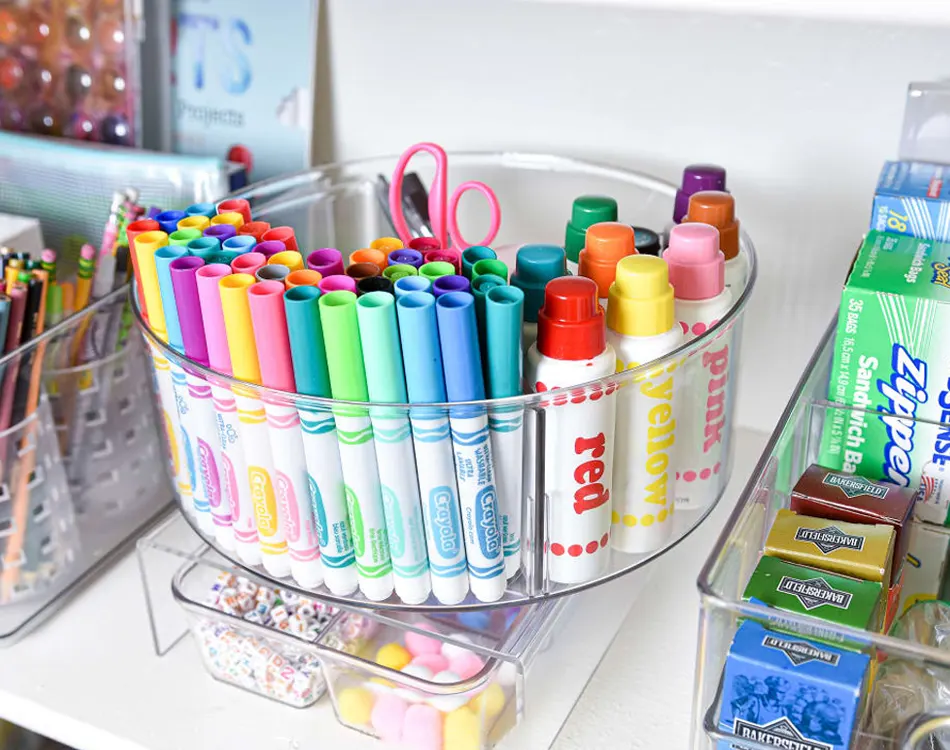
Creative Art Craft Supplies for Preschool
Our art craft supplies are specially designed to meet the creative needs of preschool and daycare environments. With safe, easy-to-use tools and vibrant materials, children can explore colors, textures, and shapes while developing essential skills. From colorful papers and paints to glue sticks and safety scissors, every item is designed with preschoolers in mind. Whether it’s everyday art time or seasonal crafts, we have everything your classroom needs.
Durable Art Supply Storage for Organized and Creative Classrooms
Keep your classroom tidy and inspire creativity with our Art Supply Storage solutions. Designed for preschool and early education environments, our storage units include carts, racks, bins, and organizers that are safe, durable, and easy for children to use. Ideal for storing paints, brushes, paper, and other essentials, everything stays within reach, neatly arranged, and ready for the next art activity.
Art Carts for Flexible Classrooms
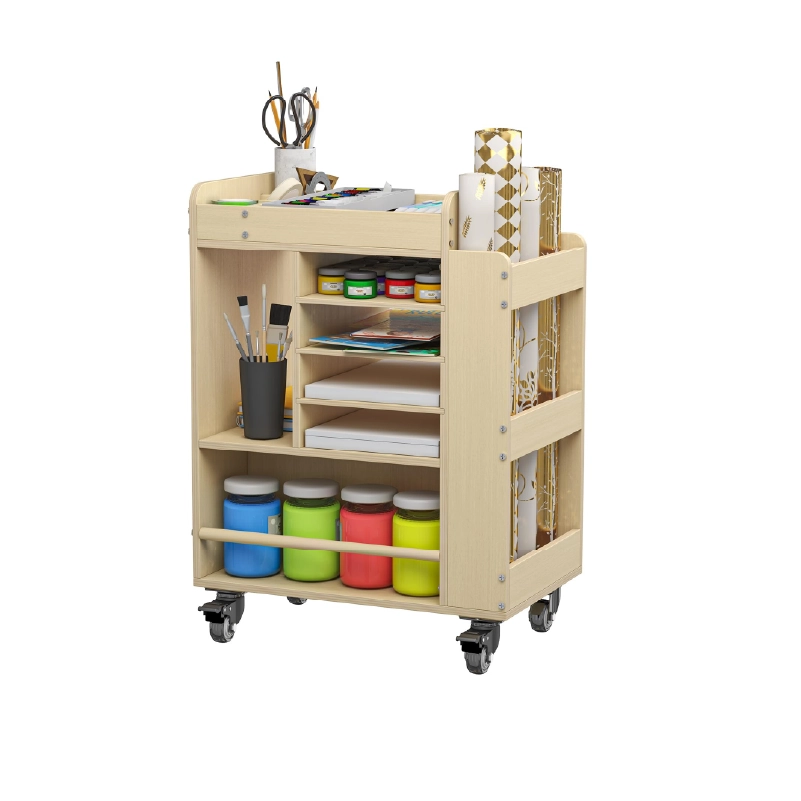
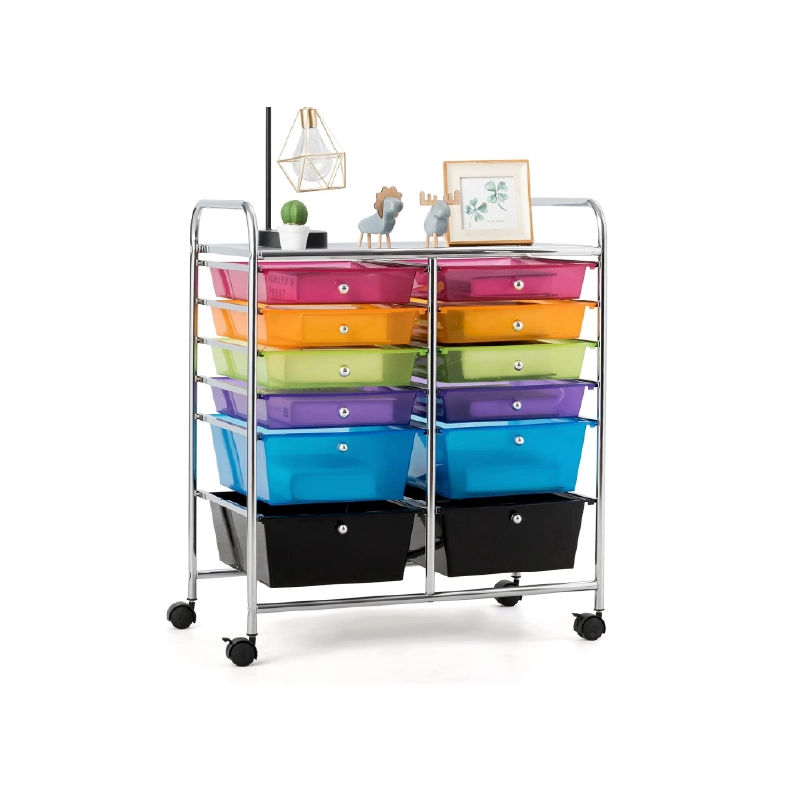
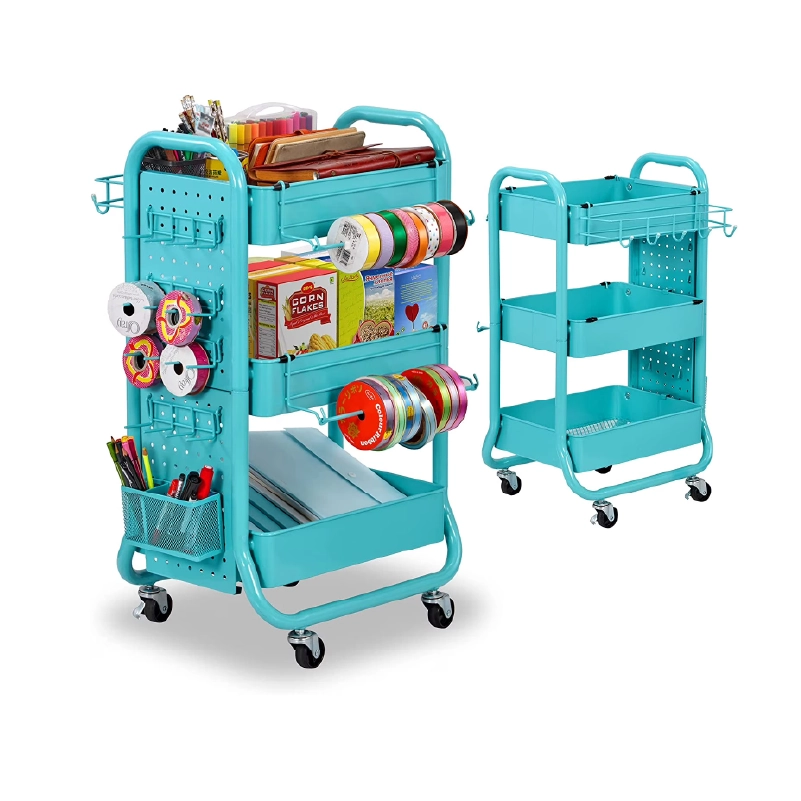
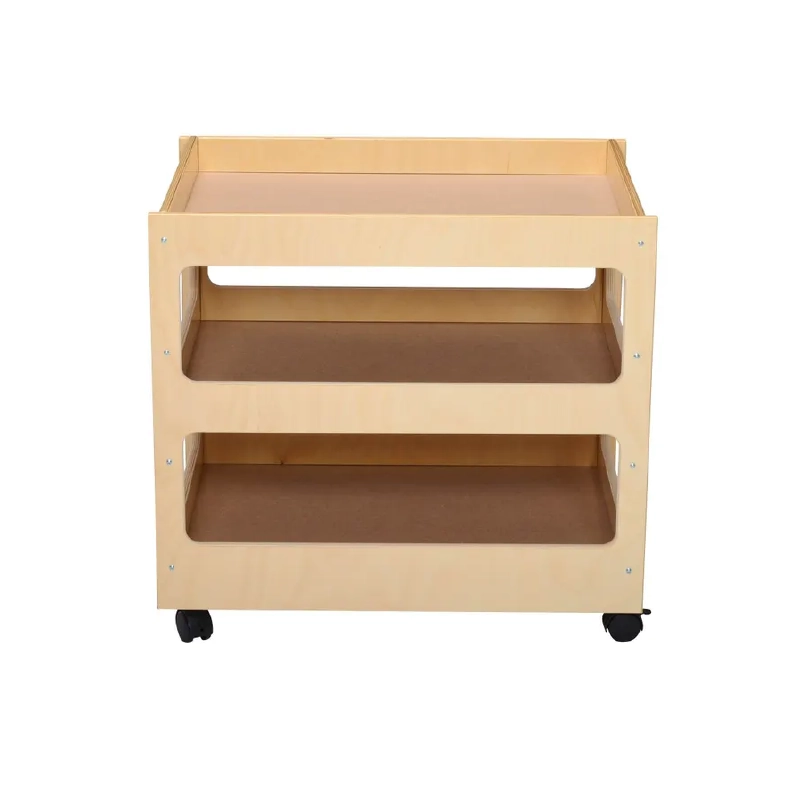
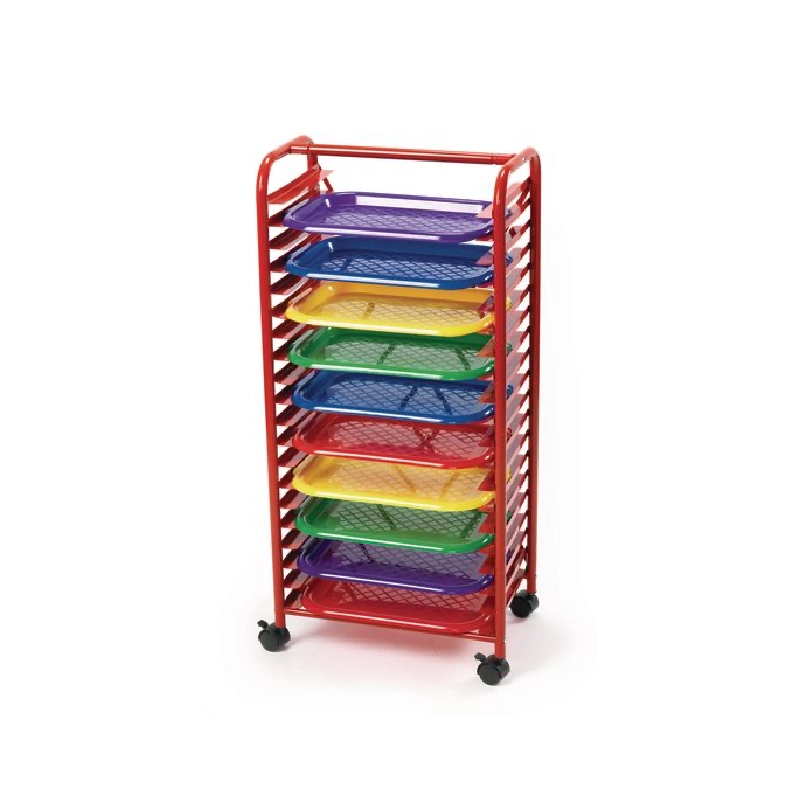
Art carts are mobile storage solutions that allow teachers to move Art Craft Supplies between activity areas. They often come with multiple tiers, drawers, or baskets, making them perfect for organizing paints, brushes, paper, and more. Lockable wheels ensure stability during use, while open designs help children see and access what they need. Art carts are especially useful in shared spaces or classrooms with rotating art stations.
Multi-Compartment Storage Racks
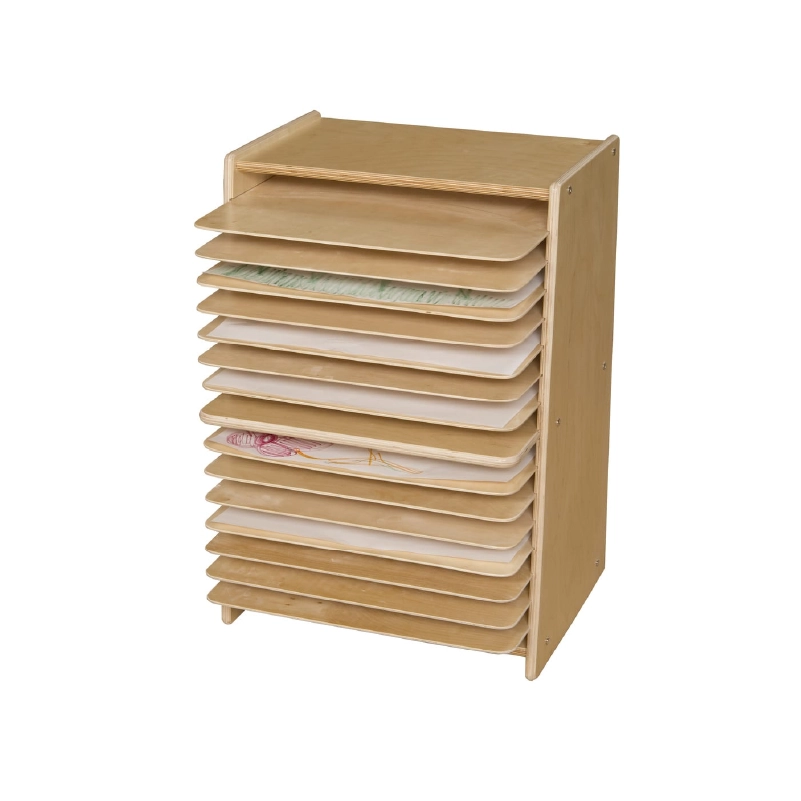
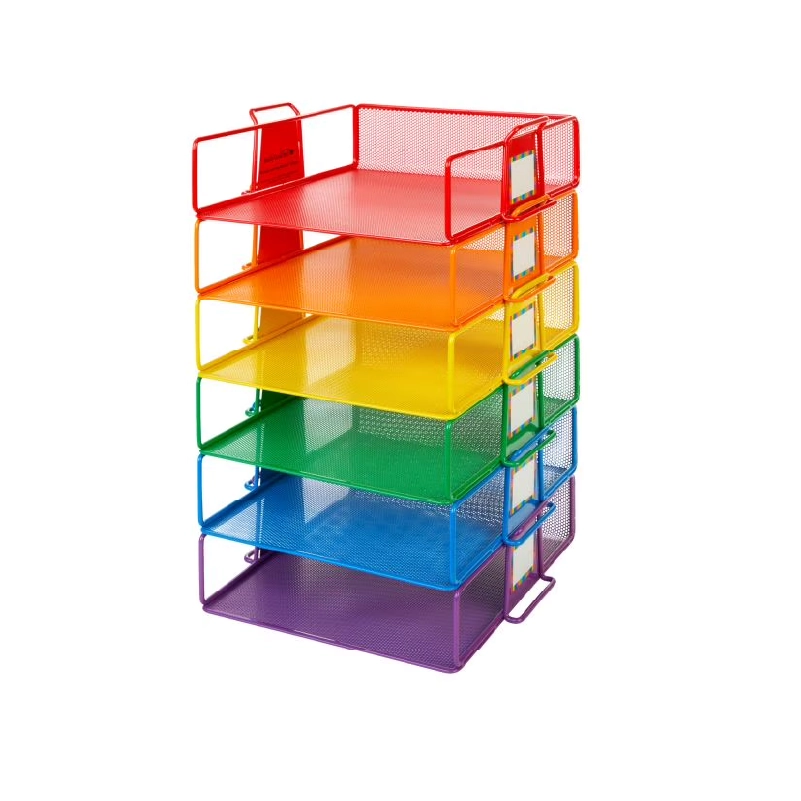
Storage racks with multiple compartments are ideal for keeping art materials sorted by category. These can include open shelves for larger items, cubbies for bins, and tray slots for flat materials like paper and cardboard. These racks help children learn to organize materials by type and return them to the correct place, building independence and responsibility in the classroom setting.
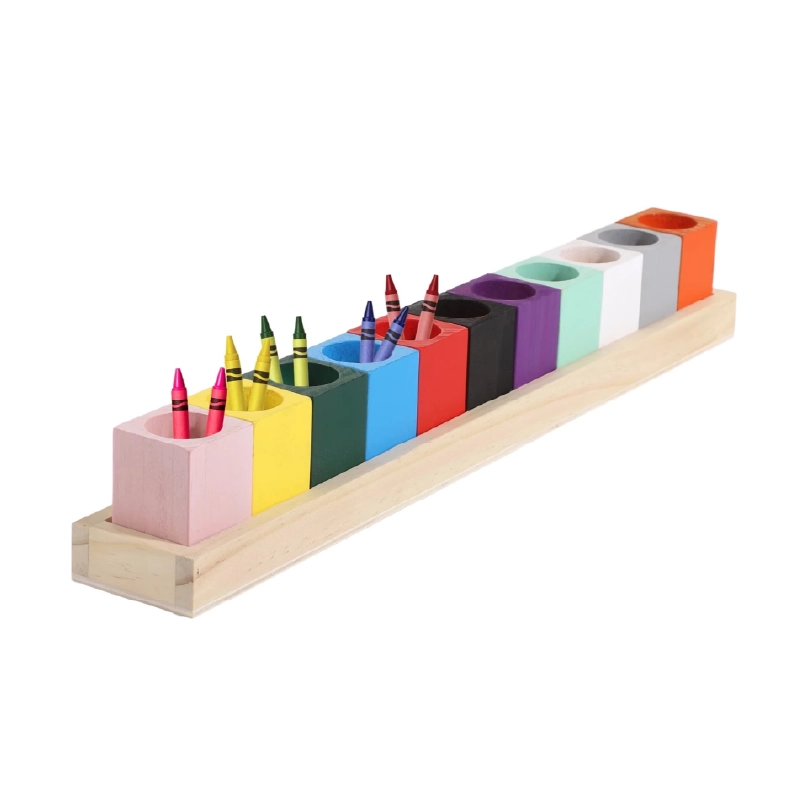
Marker and Crayon Organizers
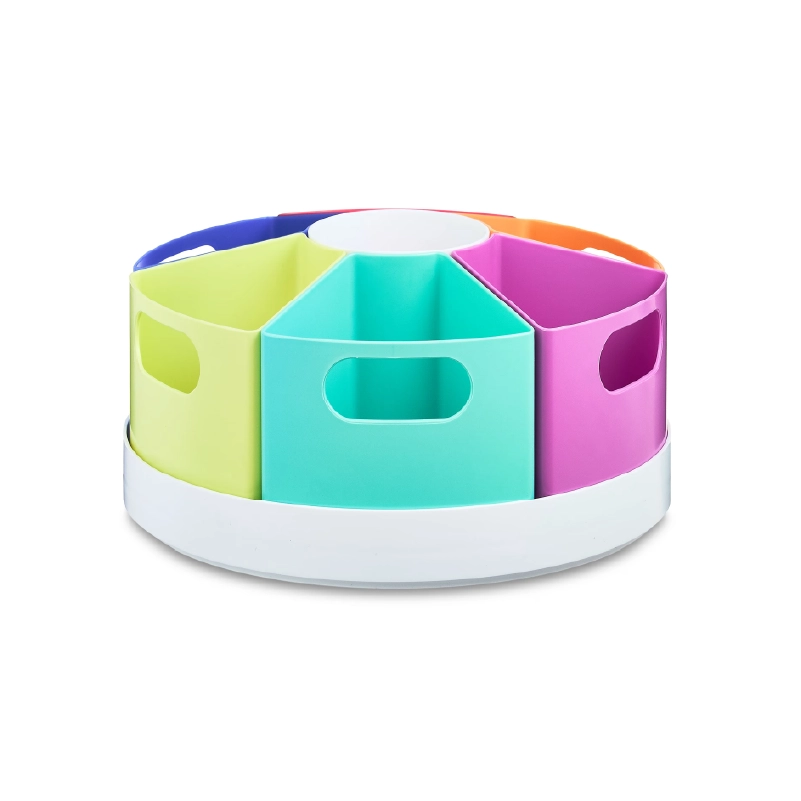
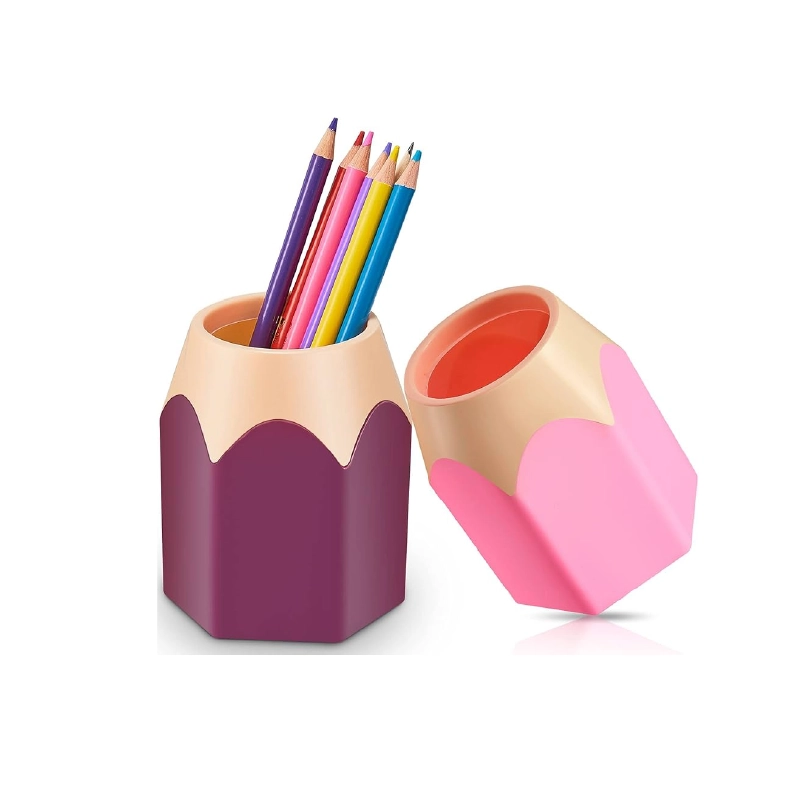
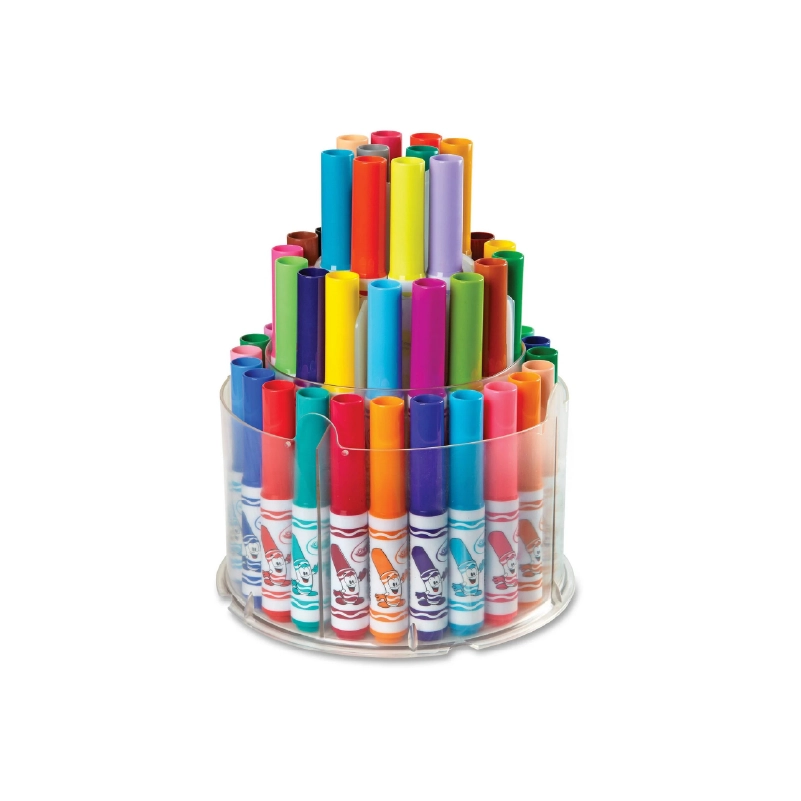
Designed specifically for smaller tools, these organizers keep drawing utensils upright and easy to reach. Compartments may be divided by color or size, helping children find what they need quickly and encouraging proper use and return. Some models include built-in handles or stackable features for added convenience. These are excellent additions to any table-based activity zone.


Art Supply Boxes and Caddies
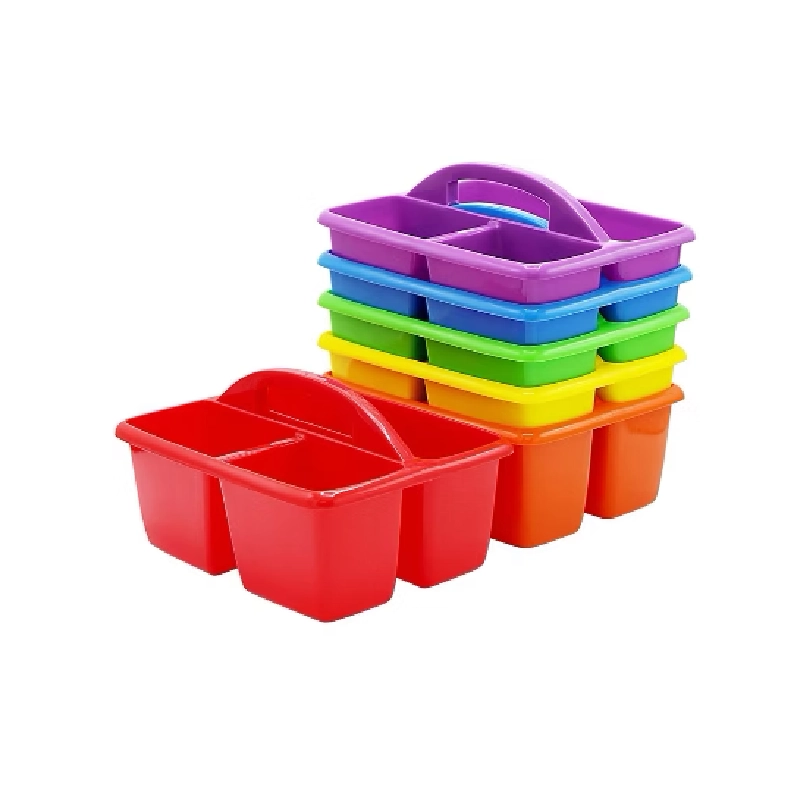
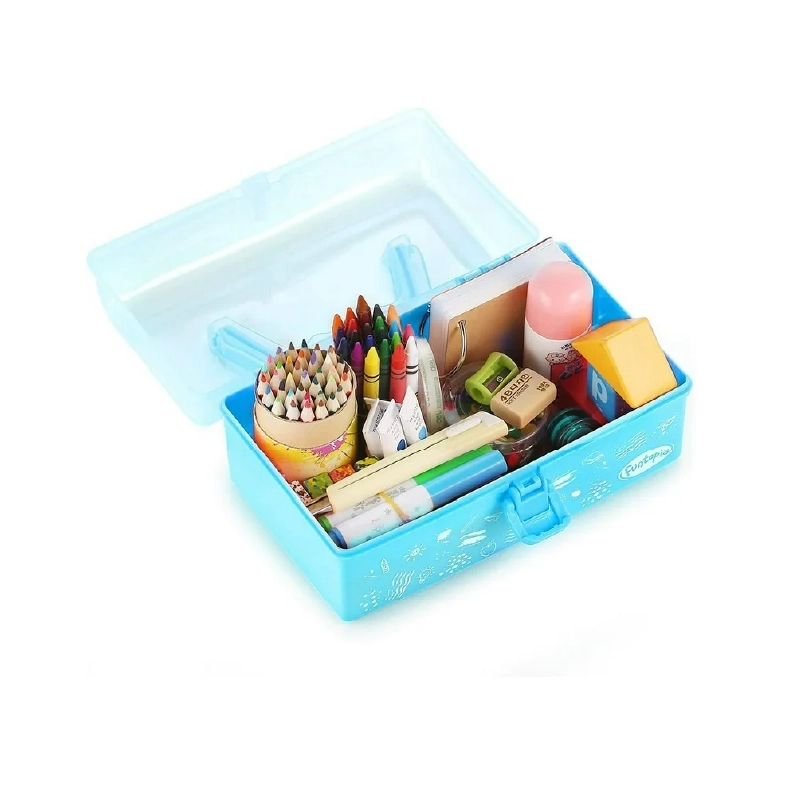
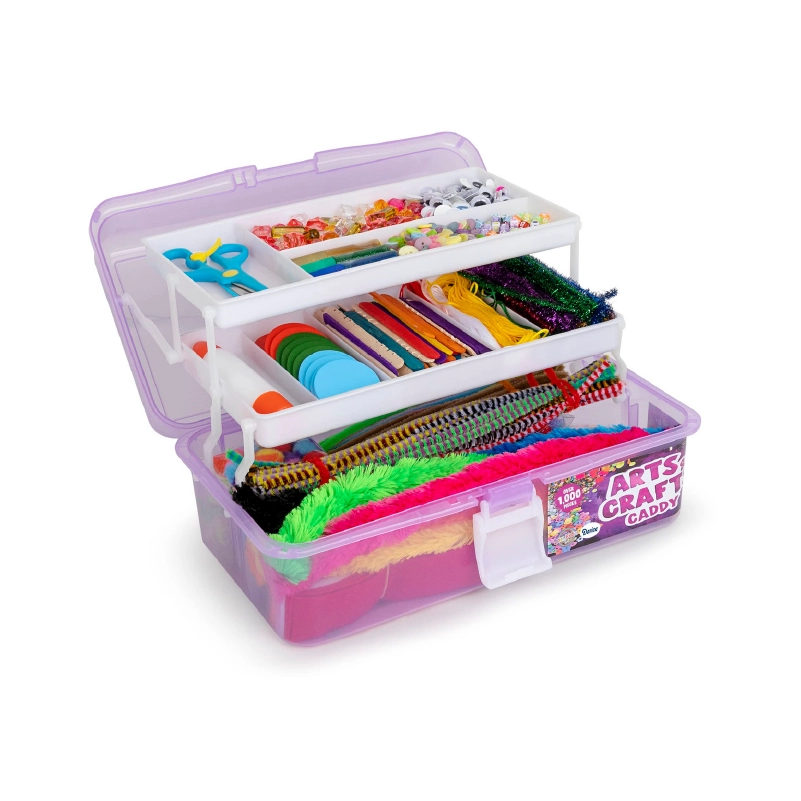
Portable boxes and tabletop caddies are great for individual or small-group use. These often include divided sections for scissors, glue sticks, markers, and other essentials. Their compact design makes them ideal for quick setups or take-home art kits. Art supply boxes are especially helpful for younger children who need limited materials in a focused, manageable space.

Understanding the Importance of Art Supplies Storage
Boosting Classroom Efficiency and Creative Flow
In preschool and early education settings, the way Art Craft Supplies are stored has a direct effect on classroom efficiency. A well-organized system saves time, reduces distractions, and helps students focus on their projects instead of searching for tools. Clear storage arrangements allow both students and teachers to know exactly where to find and return materials, supporting a smooth transition between activities.
Extending the Lifespan of Art Materials
Art supplies like glue, paint, clay, and markers require proper storage conditions to prevent them from drying out, leaking, or becoming contaminated. Storing these items in airtight containers, temperature-controlled areas, or clearly divided trays helps protect their quality and saves schools from frequent replacements. Good storage is a form of cost control, extending the usefulness of every purchase.
Supporting Student Development and Independence
For young learners, a classroom is more than a learning space. It is their training ground for life skills. Organized and visually clear storage empowers children to independently access and return items, reinforcing routines, self-direction, and responsibility. Labels, color-coded bins, and visual aids such as pictures on containers support cognitive development by helping students recognize categories and build memory associations.
Creating a Safer Learning Environment
Properly storing Art Craft Supplies reduces potential hazards in the classroom. Items like scissors, sharp pencils, glue, and paints should be separated based on risk levels. Using lockable cabinets for adult-use materials and placing child-safe items in accessible zones ensures a secure environment. Clear distinctions between “teacher use only” and “student use” areas build safety awareness among young learners.
Materials and Craftsmanship of Our Montessori Materials
-
Solid Wood and Engineered Wood Solid wood, such as birch and beech, is a reliable option in early education furniture. It offers natural strength, long-lasting performance, and a calming, earthy tone that enhances the classroom environment. Engineered woods like plywood and MDF are equally popular. They offer flat surfaces that are easy to clean and are often finished with child-safe coatings. These wood types are stable, cost-effective, and provide a sturdy base for shelves and cabinets.
-
High-Grade Plastics and Acrylics Plastic materials are commonly used in bins, trays, and drawer compartments. They are lightweight, durable, and come in a variety of colors, which is helpful for color-coded storage systems. Clear acrylic containers are especially useful in classrooms because they allow children and teachers to see the contents inside without opening them. This improves accessibility and reduces mess.
-
Metal Components for Support While wood and plastic form the main structure, many storage units include metal parts for reinforcement. Metal is commonly used in drawer slides, support brackets, and caster wheels. Coated steel provides strength and prevents rust. In mobile storage carts, smooth-gliding metal casters with locks help keep the unit in place during use and allow for easy repositioning during room rearrangements.
-
Soft and Protective Materials for Safety To prevent injuries, especially in younger classrooms, many storage units include protective design features. Rubber corner guards or foam-lined edges are added to reduce the chance of bumps and scratches. These small safety details make a big difference in maintaining a child-friendly environment.
Art Supplies Storage Maintenance Tips
Clean Regularly and Safely
Routine cleaning is essential for maintaining the appearance and hygiene of any classroom storage system. Use child-safe, non-toxic cleaners to wipe down shelves, bins, and drawers at least once a week. Pay special attention to corners and crevices where dust, crumbs, or paint residue may collect. Keeping storage areas clean not only preserves materials but also creates a more inviting learning environment.
Teach Students to Participate in Cleanup
Encourage students to take responsibility for their own cleanup. Implement simple routines where children return items to labeled bins after each activity. Use visual cues like pictures or colors to guide younger learners. This daily habit reinforces organizational skills and helps prevent supplies from being misplaced or damaged.
Inspect for Wear and Damage
Regularly check storage units for signs of wear, such as loose screws, cracked plastic bins, or damaged wheels. Make small repairs promptly to avoid bigger issues later. For example, replace broken handles or relabel bins that have worn stickers. Keeping the storage units in good repair ensures safety and extends their usability.
Rotate Supplies Periodically
Not all Art Craft Supplies need to be out all the time. Rotating items seasonally or monthly prevents overcrowding and keeps the art area fresh. Store excess materials in a separate cabinet and bring them out when they match a theme, season, or specific lesson. This method also reduces visual clutter and helps students focus on the materials available.
Use Labels That Last
Choose high-quality labels made from waterproof or laminated materials. Labels should be large, clear, and either color-coded or include images for younger learners. Replacing labels frequently can lead to confusion, so invest in durable options that can withstand frequent cleaning and handling.
Check for Expired or Dried-Out Materials
Go through your Art Craft Supplies regularly to remove items that are no longer usable. Dried-up glue sticks, hardened clay, or empty markers can pile up quickly and waste space. By purging unusable supplies, you free up storage and ensure children have access to functional, high-quality materials at all times.
Customizable Storage Solutions
We understand that every Montessori environment is unique, which is why we offer flexible customization options for all Montessori materials and classroom furnishings. Whether you need specific sizes, color finishes, language labels, or logo printing, our in-house design and production team can tailor products to meet your exact requirements.
- Tailored to Fit Every Classroom Layout
No two classrooms are the same, and storage should adapt to the unique needs of each space. Customizable storage solutions allow educators to select the dimensions, layout, and features that best fit their room. Whether the space is large or compact, open or structured, custom-built units ensure that Art Craft Supplies are stored efficiently and accessibly. - Flexible Configurations for Growing Needs
As class sizes and activities evolve, so should the storage. Modular units can be added, rearranged, or reconfigured to accommodate new materials or teaching styles. This flexibility is especially valuable in early education settings, where creative needs change with seasons, lesson plans, or themes. - Design Options to Match Your Learning Environment
Custom storage goes beyond functionality. Educators can choose colors, finishes, and materials that reflect the classroom’s theme or the school’s brand identity. From natural wood tones to colorful laminated surfaces, design choices can create a more inviting and inspiring space for young learners. - Built-In Features for Efficiency
Custom units can include built-in features that save time and streamline daily routines. Examples include integrated drying racks, paper dispensers, brush holders, or labeled compartments for specific materials. These thoughtful touches make a big difference in maintaining a well-ordered creative area.
Versatile Classroom Easels for Engaged Kids
Discover our premium range of Easels designed for early learning environments—sturdy, adjustable, and child‑friendly. Perfect for dynamic classrooms, these easels support collaborative painting, drawing, and display activities. Built to withstand daily use, our easels promote creativity, visual skills, and active participation while making your classroom layout smart and functional.
Frame Art Easels
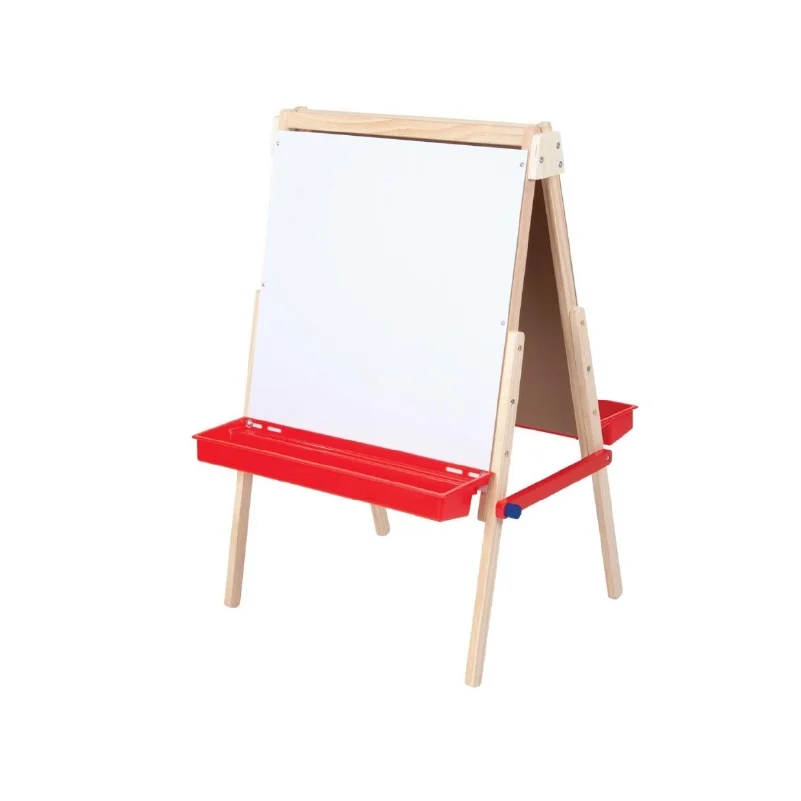
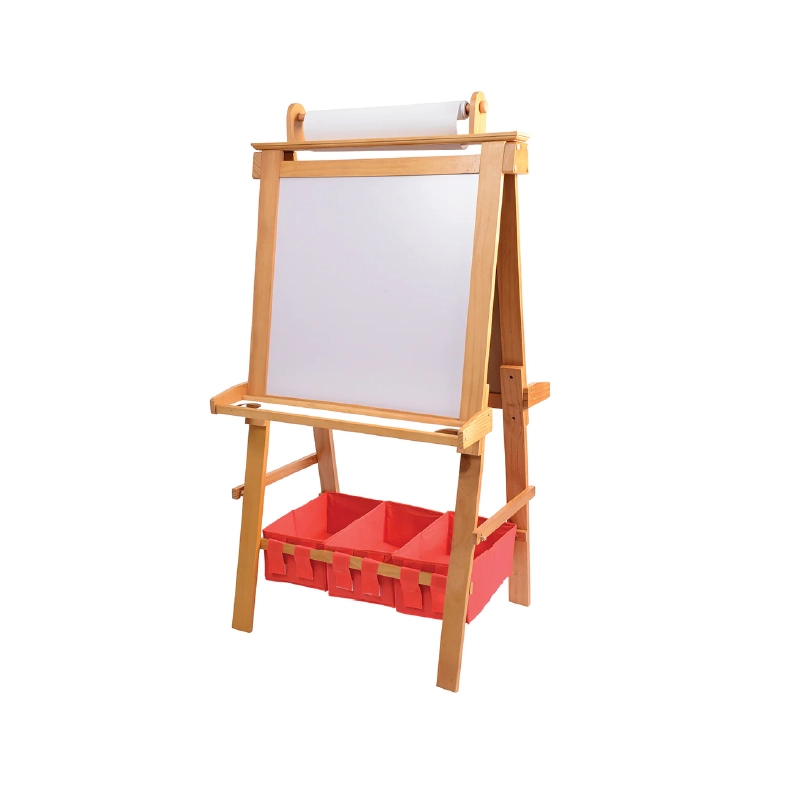
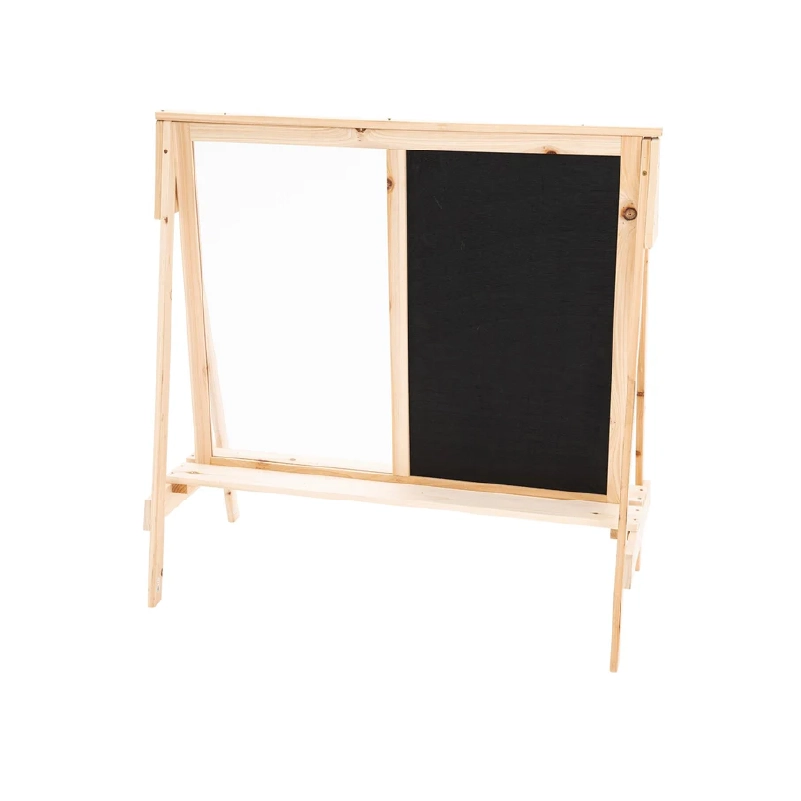
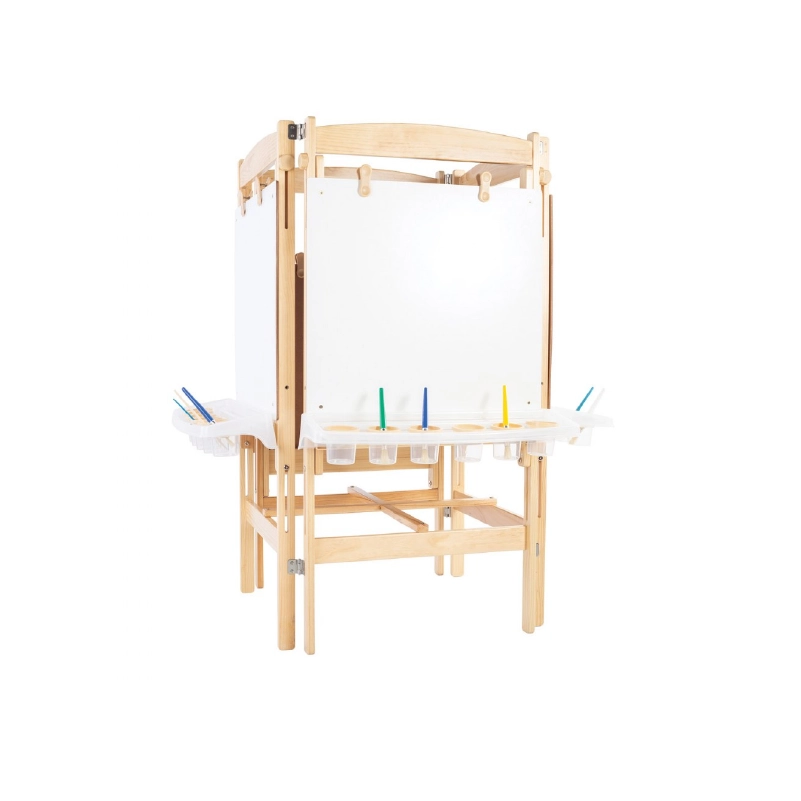
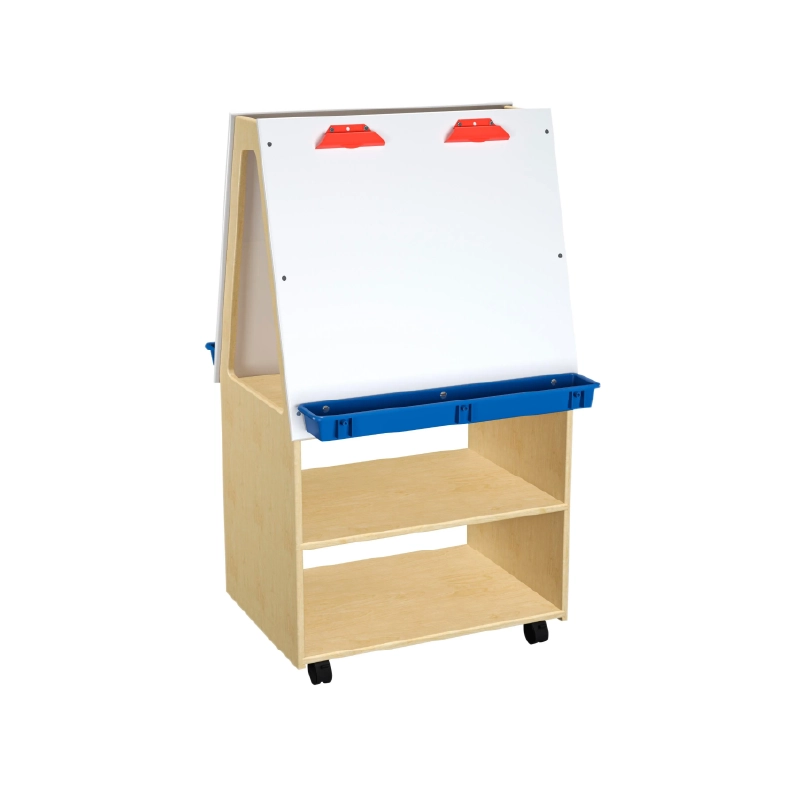
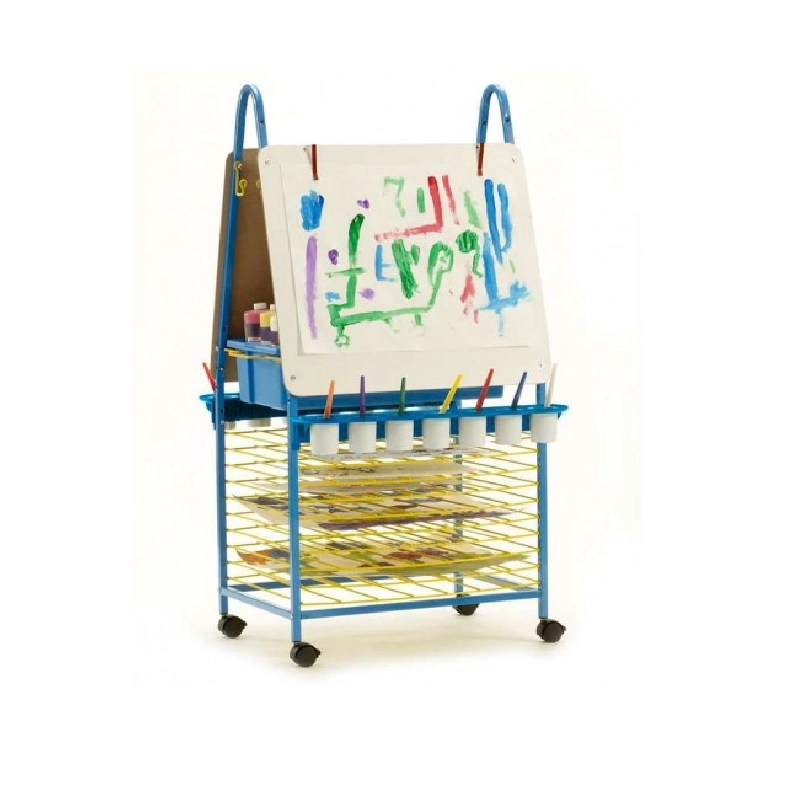
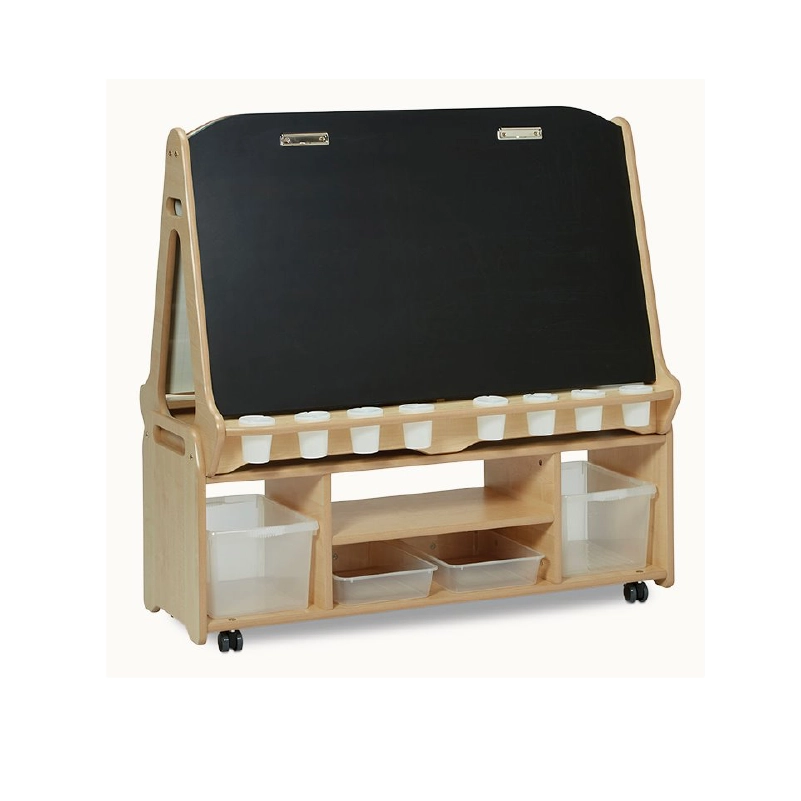
Frame art easels are the most commonly used easels in preschool classrooms. Built with stable wooden frame structures, these easels are designed for children to use while standing and support daily drawing and painting activities. They often feature adjustable heights, child-friendly paint trays, and options for single or double-sided use. Frame art easels are ideal for shared art areas in classrooms, daycare centers, and early learning environments.


Storage Easels
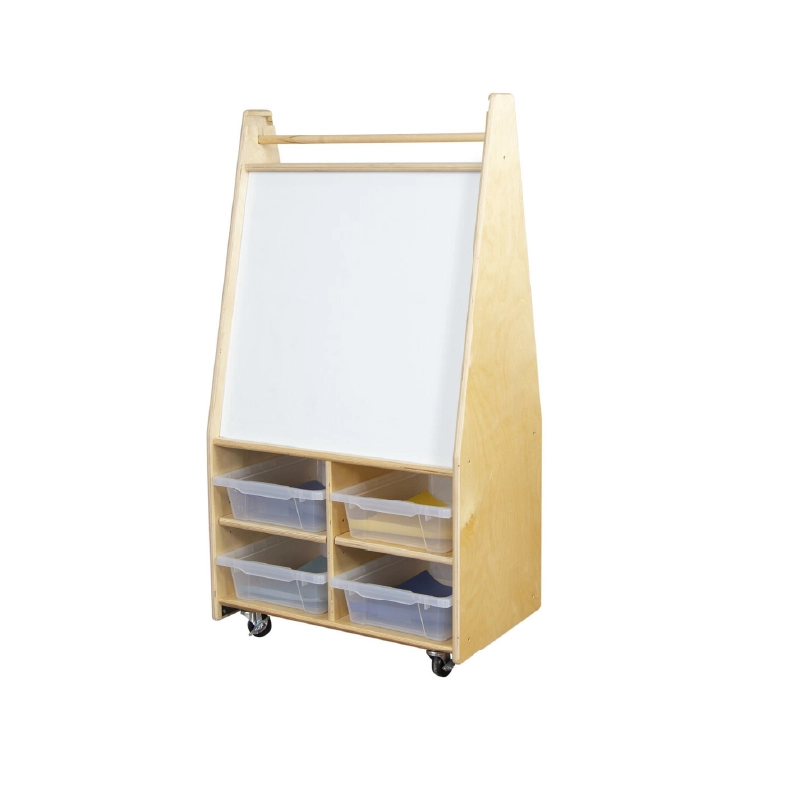
Storage easels combine creative work surfaces with built-in storage solutions. Designed to keep art supplies organized and within easy reach, these easels may include shelves, cabinets, or drawers for paints, brushes, and paper. Storage easels help reduce classroom clutter and support independent use, making them a practical choice for art centers and preschool classrooms with limited space.

Tabletop Easels
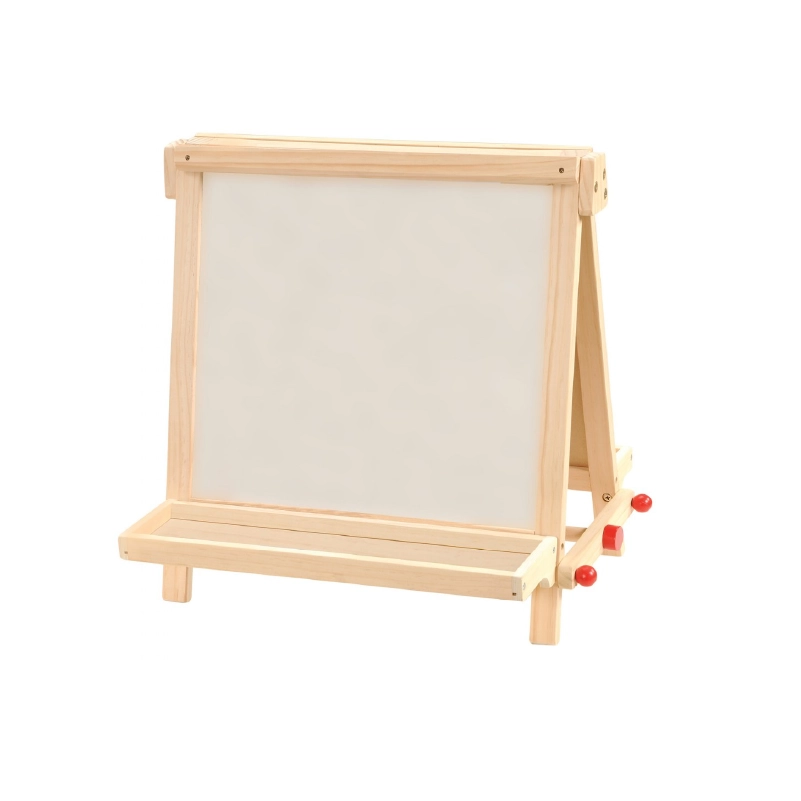
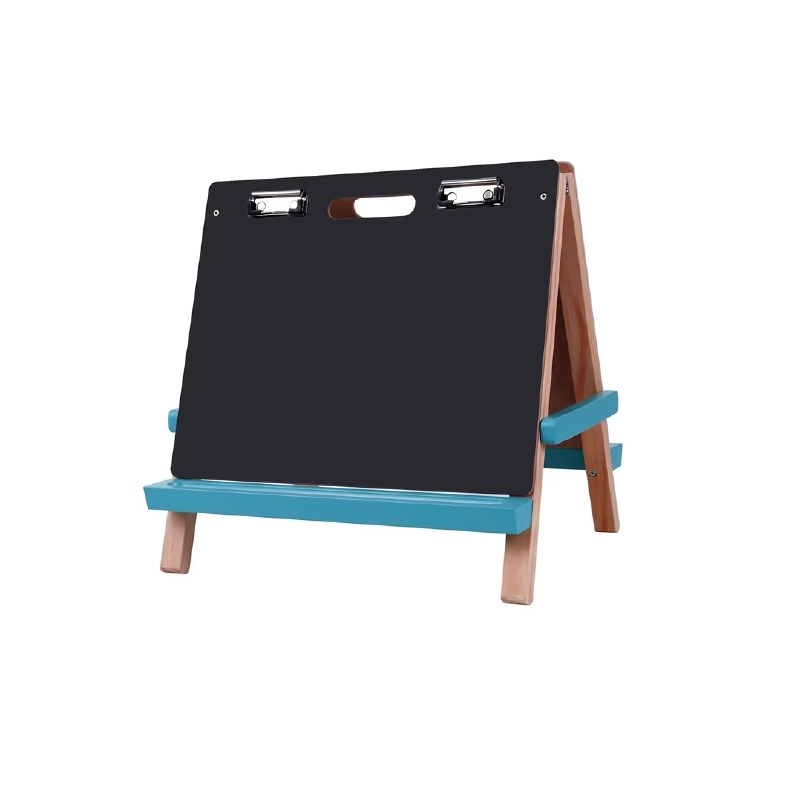
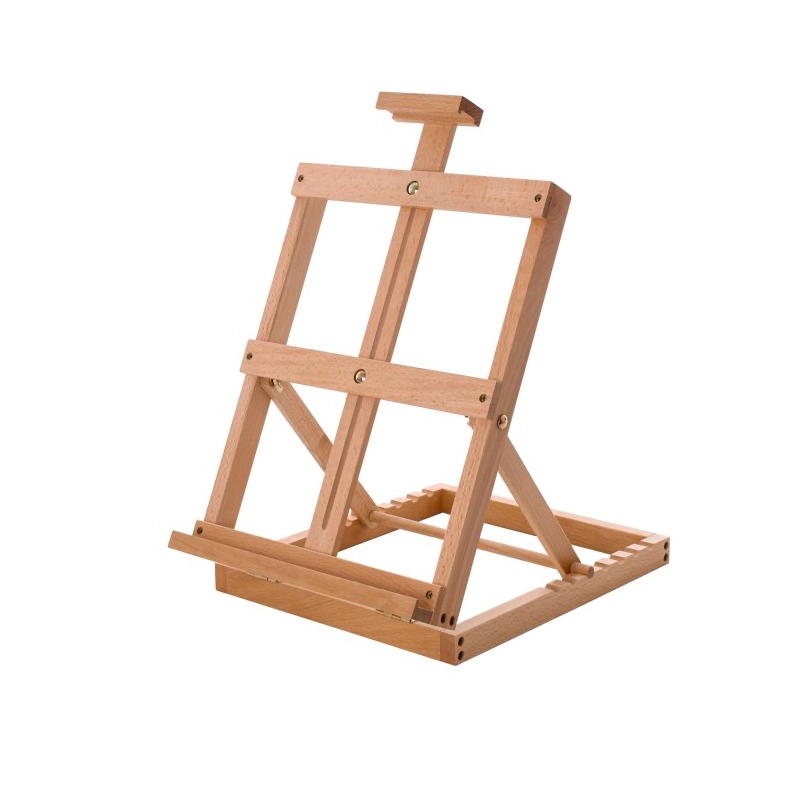
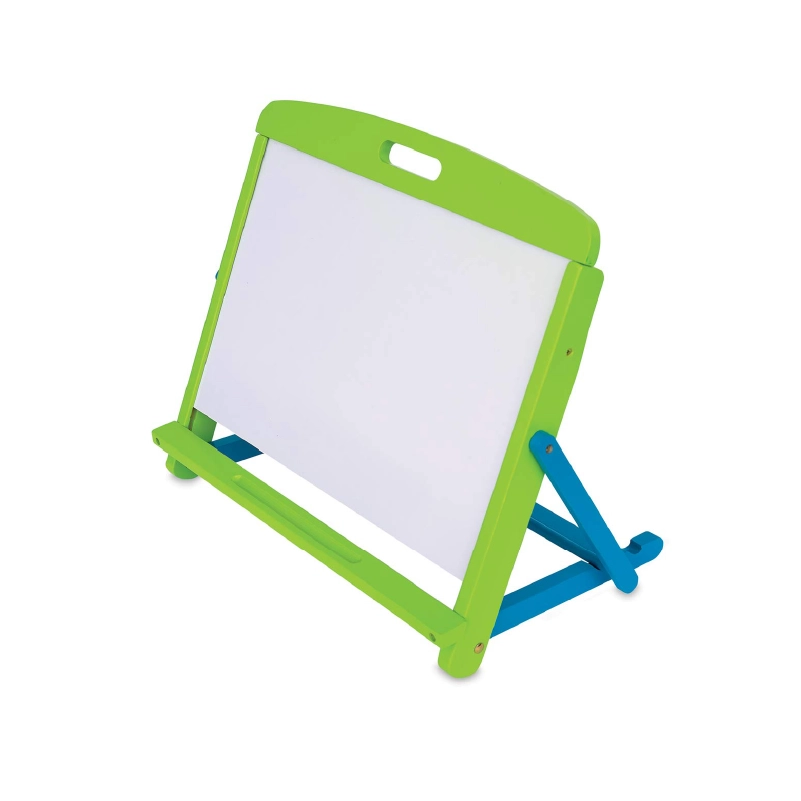
Tabletop easels are compact and space-saving, making them suitable for small classrooms, art centers, or individual workstations. Placed on tables or desks, they allow children to create while seated. This type of easel works well for small group activities, rotation-based learning, or quiet art time. Many tabletop easels are lightweight, foldable, and easy to store.
Magnetic Easels
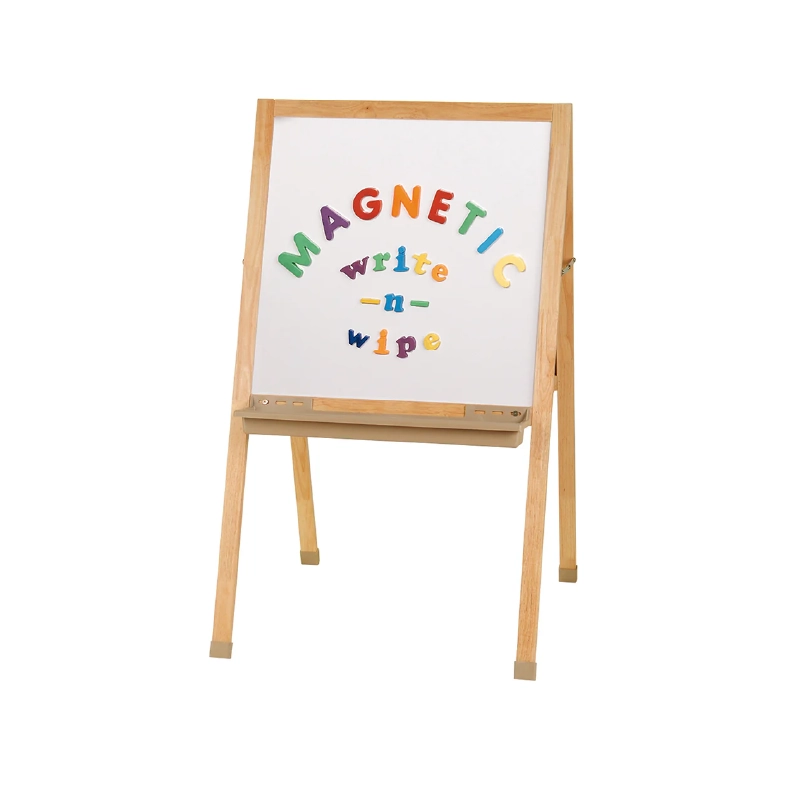
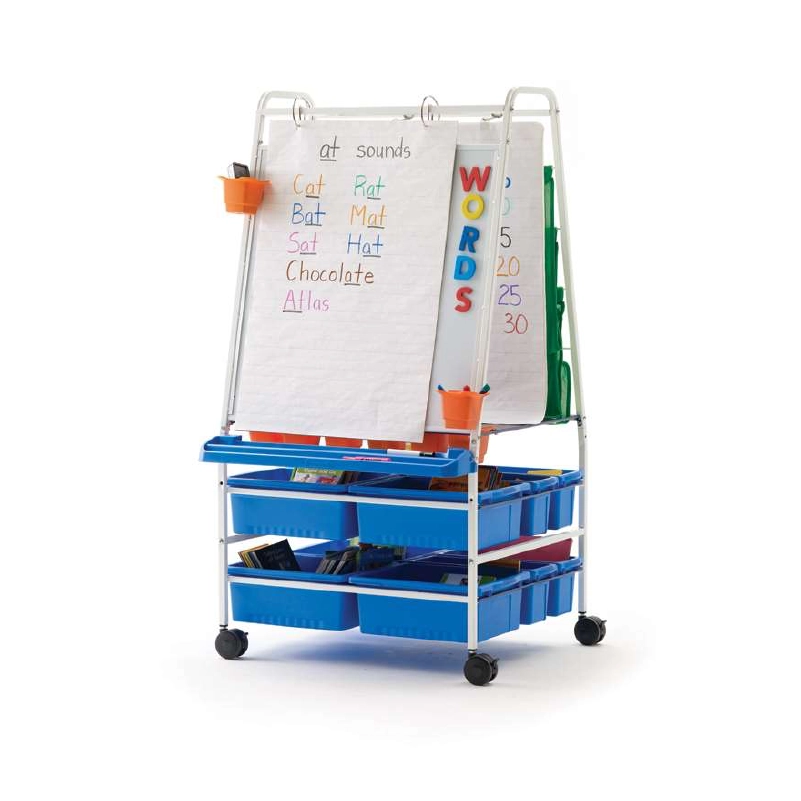
Magnetic easels add an interactive learning element to traditional art activities. Along with drawing and painting, children can use magnetic letters, shapes, and learning pieces on the surface. These easels are often used to support early literacy and numeracy while encouraging creative expression. Magnetic easels are available in both standing and tabletop formats for flexible classroom use.

Clear Panel Easels
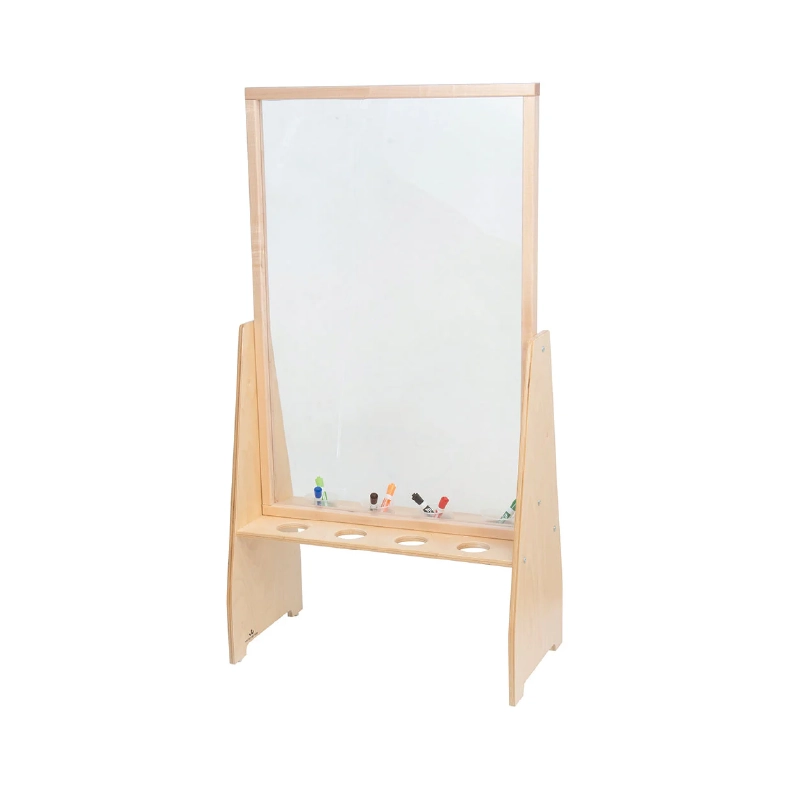
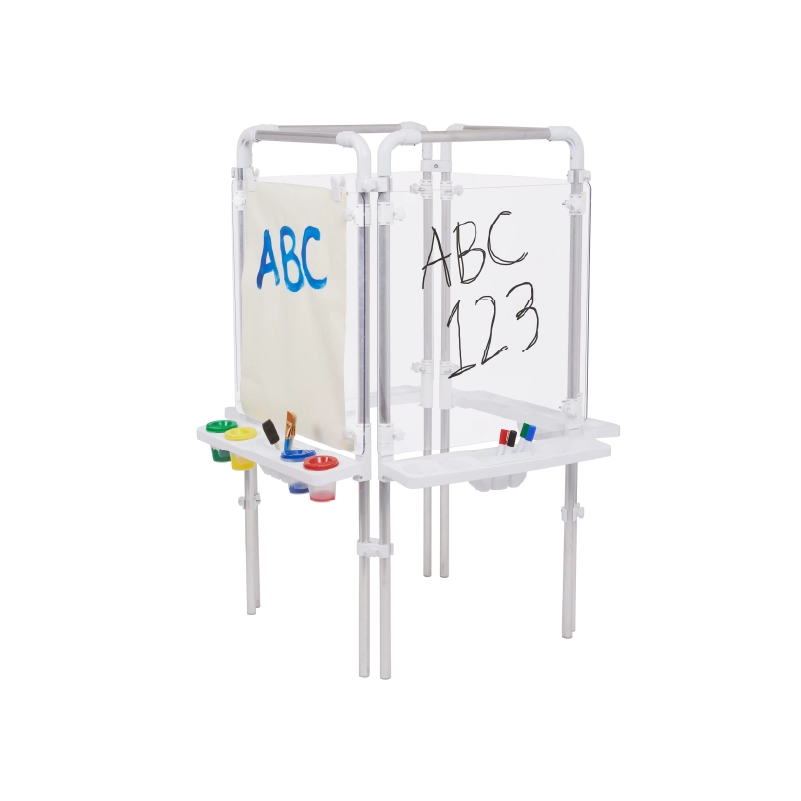
Clear panel easels feature transparent acrylic surfaces that invite children to explore drawing, painting, and color play in a more open and visual way. Children can work from one or both sides, making these easels suitable for collaborative activities. They are commonly used in Reggio-inspired or sensory-focused classrooms and work especially well near windows or natural light sources.


What to Consider When Buying an Easel
Sizing and Adjustability
When choosing an easel for preschool or kindergarten use, size matters. Easels should be appropriately scaled for young children, allowing them to reach all areas of the surface without overextending. Adjustable-height easels are ideal for classrooms with mixed age groups, as they can accommodate children of different sizes and grow with them over time.
Stability and Safety
Easels in early learning settings must be extremely stable. Children often lean or move around while painting or drawing, so the easel should have a wide base and a strong frame. A-frame designs or easels with anti-slip feet offer better balance and reduce the risk of tipping. Safety features like rounded corners and non-toxic finishes are also essential in any child-accessible furniture.
Surface Type and Versatility
Multi-functional easels add more value to your Art Craft Supplies collection. Look for models that offer dual surfaces, such as one side with a chalkboard and the other with a whiteboard. Some easels come with clear acrylic panels for window art or dry-erase use. Paper roll holders, magnetic surfaces, and clip attachments allow for even more creative flexibility during projects.
Ease of Cleaning and Maintenance
Art is messy by nature, so the materials used in the easel must be easy to clean. Surfaces should resist staining and allow for quick wipe-downs between activities. Plastic or laminated wood trays are preferable over raw wood, as they handle spills better. Removable bins or paint cups also make daily cleanup faster and more hygienic.
Built-In Storage Options
Storage-integrated easels help keep the art area tidy and functional. Models with trays, bins, or built-in shelves allow teachers to organize paints, brushes, and other materials directly on the unit. This encourages children to return items to their proper place and supports independent use during creative time.
Foldability and Space Efficiency
In classrooms where space is limited, foldable easels offer excellent flexibility. These can be stored easily when not in use and pulled out quickly for art sessions. Lightweight frames that collapse flat are ideal for shared or multi-use spaces where the room must be reconfigured throughout the day.
Materials Used in Preschool Easels
-
목재 Wood is strong, durable, and naturally suited for preschool use. It offers stability and a warm, natural appearance, making it a popular choice for traditional easel frames.
-
플라스틱 Plastic components are lightweight and easy to clean. Commonly used for trays and storage bins, plastic adds functionality and color to the easel while being safe for young children.
-
금속 Metal parts such as screws, hinges, and caster wheels provide extra support and mobility. They help improve the easel’s stability and make it easier to move when needed.
-
Acrylic Acrylic is used for clear panel easels, allowing children to paint on transparent surfaces. It is shatter-resistant, easy to clean, and great for visual exploration and light-based activities.
Benefits of Using Easels in Preschool Classrooms
- Supports Fine Motor Skill Development
Using easels encourages vertical movement, which naturally strengthens the muscles in a child’s shoulders, arms, and hands. These motions are essential for building fine motor skills needed for writing, cutting, and daily tasks. The upright surface allows children to move their arms in larger, more controlled strokes, which builds coordination and confidence in handling various art and Craft Supplies. - Encourages Creative Expression
An easel provides a dedicated space for open-ended creativity. Whether a child is painting a landscape, drawing shapes, or experimenting with color mixing, the upright surface feels special and gives them room to explore. This sense of personal space supports emotional expression, imagination, and independent thinking—all key components of early childhood development. - Promotes Proper Posture and Body Movement
Unlike working at a desk, standing at an easel encourages better posture and alignment. It promotes a natural stance where children engage their core muscles while reaching, painting, or drawing. This helps develop body awareness and gross motor coordination, making the easel a valuable tool for physical as well as creative development. - Supports Collaborative Learning
Many classroom easels are double-sided, allowing two children to work simultaneously. This setup encourages communication, turn-taking, and social skills. Shared creative tasks build teamwork and foster empathy as children learn to listen, share materials, and offer feedback to one another in a hands-on setting. - Enhances Focus and Engagement
A dedicated art station like an easel helps children focus on the task at hand. The upright surface reduces distractions and keeps their attention on the creative process. With the right Art Craft Supplies within reach, the easel becomes a self-contained zone of exploration, helping children stay engaged longer and more deeply in artistic activities. - Provides Versatile Learning Opportunities
Easels are not just for art. Educators often use them for literacy activities, magnetic letter games, and storytelling sessions. From drawing alphabet letters to illustrating parts of a story, easels can be integrated into multiple areas of learning. Their multi-surface functionality makes them one of the most versatile pieces of equipment in any preschool classroom.
Fun and Functional Drawing Supplies for Preschool Creativity
Explore our thoughtfully designed Drawing Supplies built for preschoolers including crayons, pencils, chalk and more. Each tool supports early grip development, color recognition and artistic confidence. With safe, easy-to-hold shapes and vibrant results, our Drawing Supplies help children express ideas freely while keeping classrooms organized and engaging.
크레용
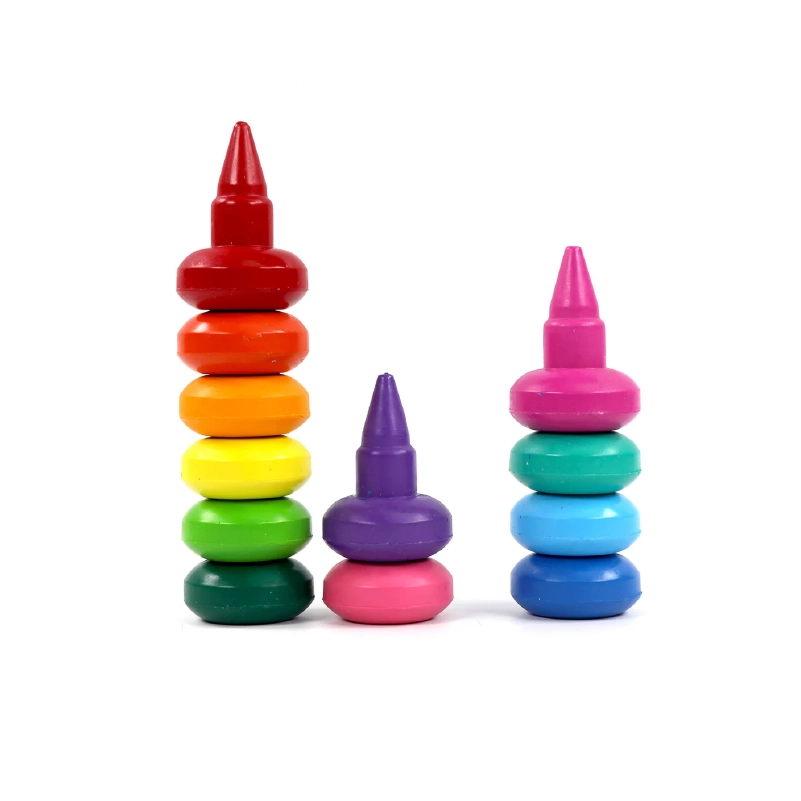
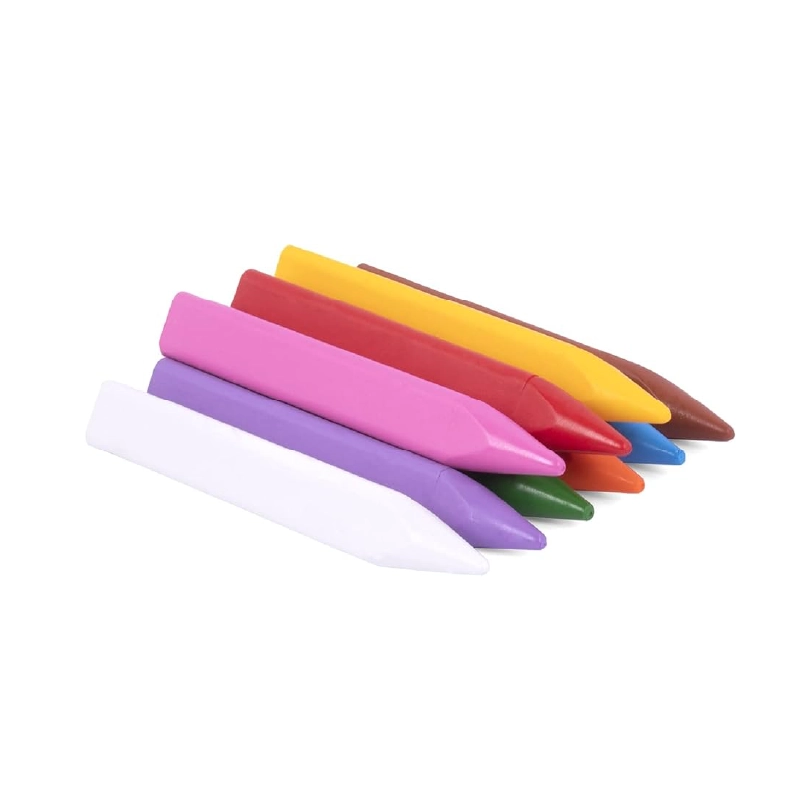
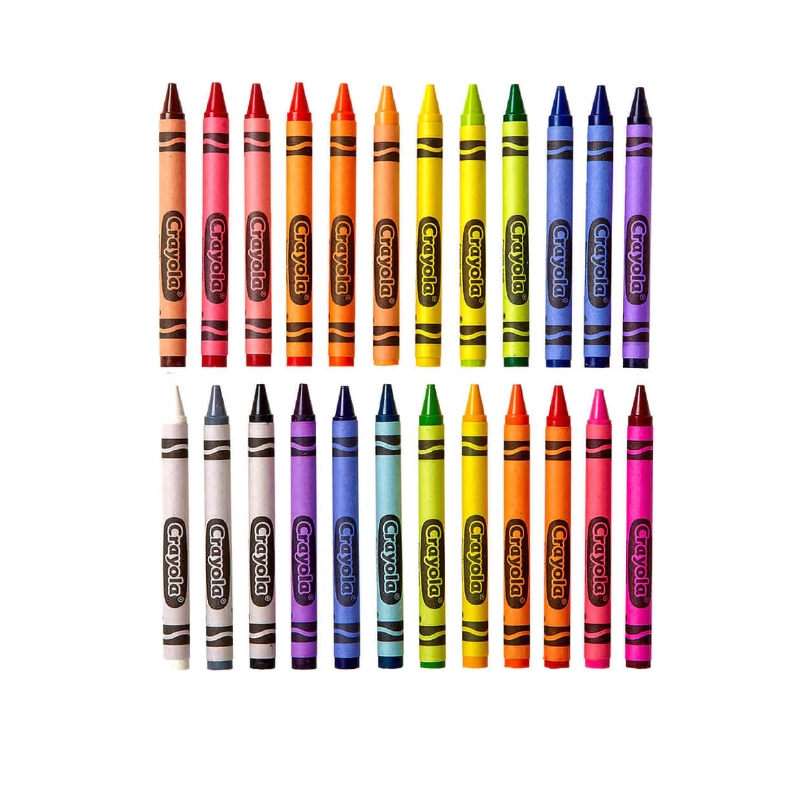
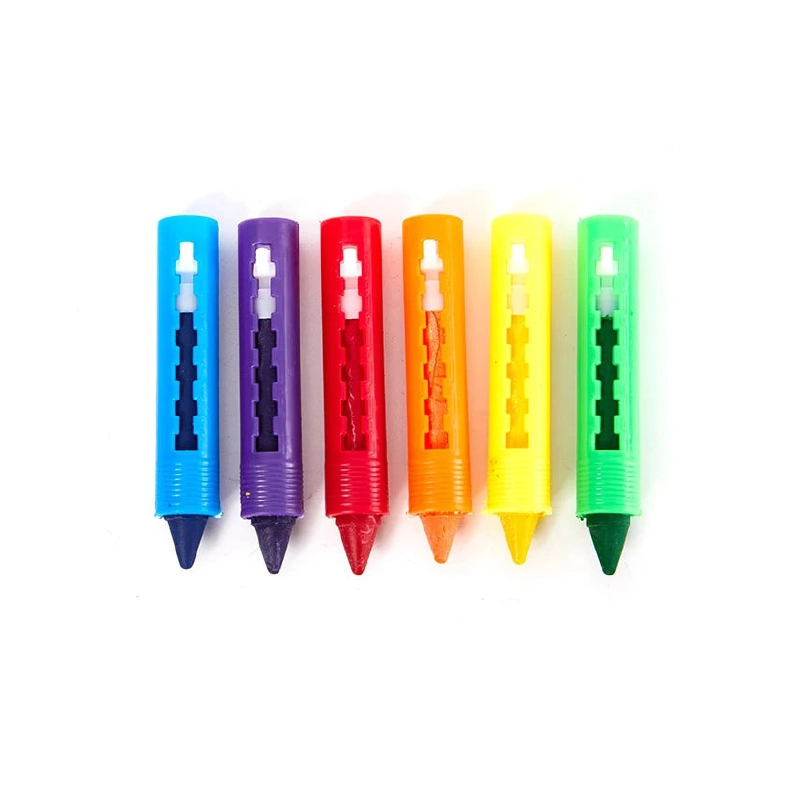
Crayons are one of the most essential drawing tools for young learners, offering bright, vibrant colors and an easy-to-grip design that encourages creativity and confidence. Their wax-based texture allows children to apply smooth, even color without the need for pressure or precision. Crayons help children build early hand strength, improve fine motor coordination, and express ideas freely on paper, cardboard, or craft materials. Available in a wide variety of shapes, sizes, and finishes, they remain a timeless choice for preschool art activities.
Pencils & Colored Pencils
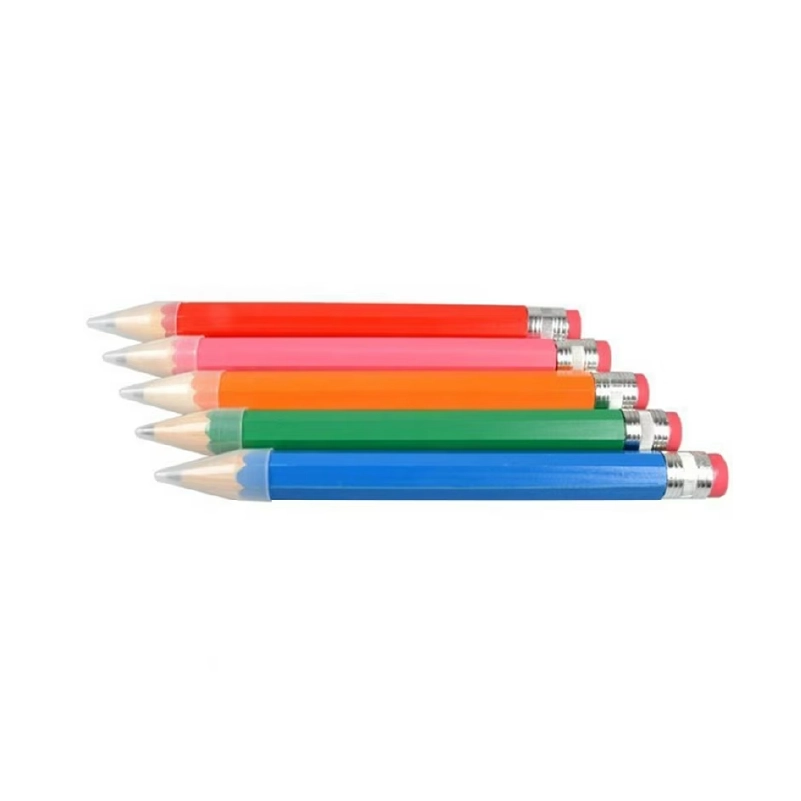
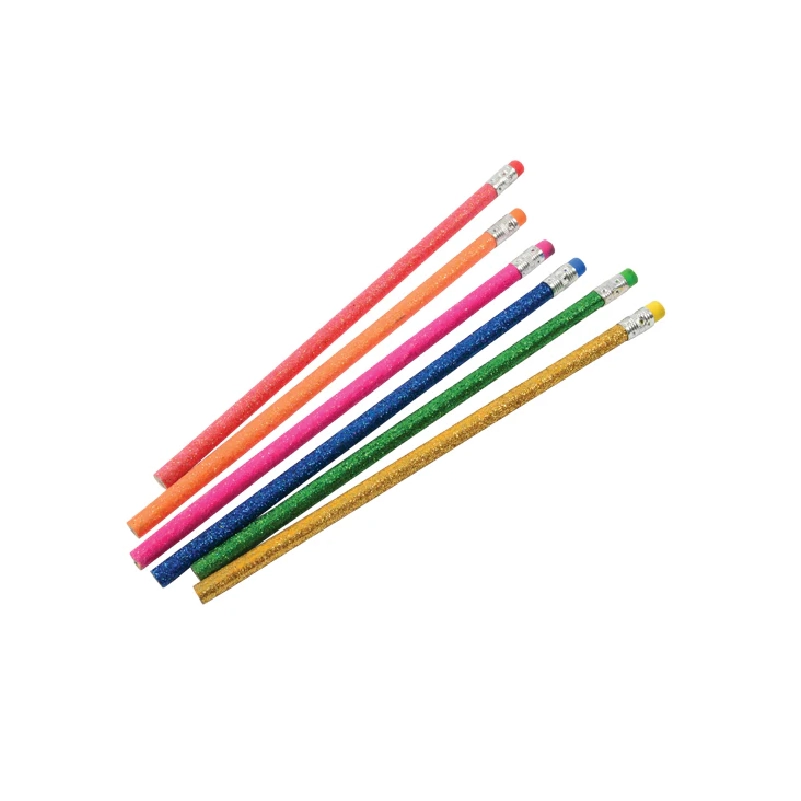
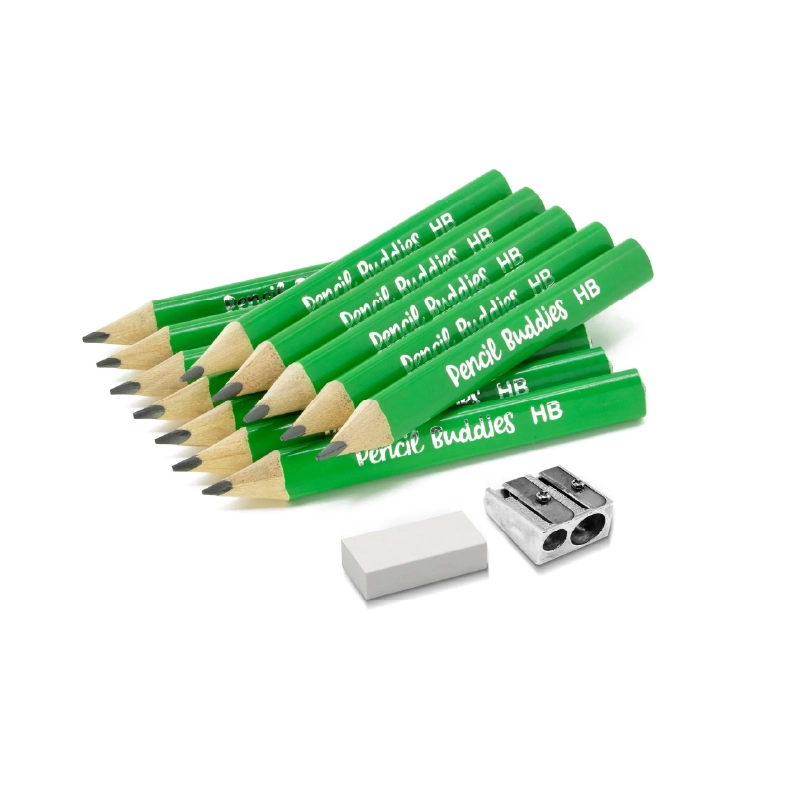
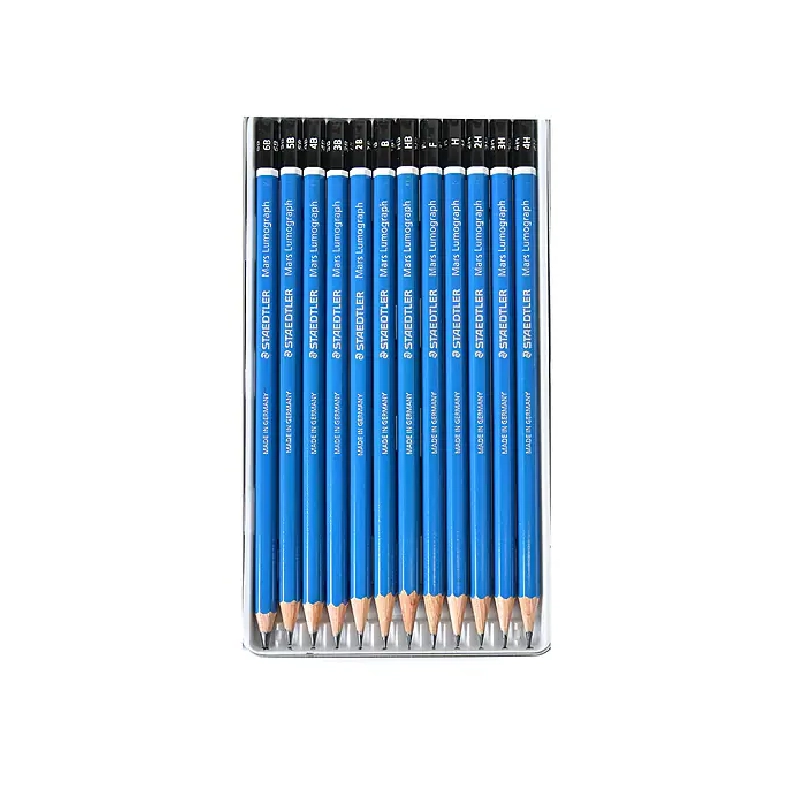
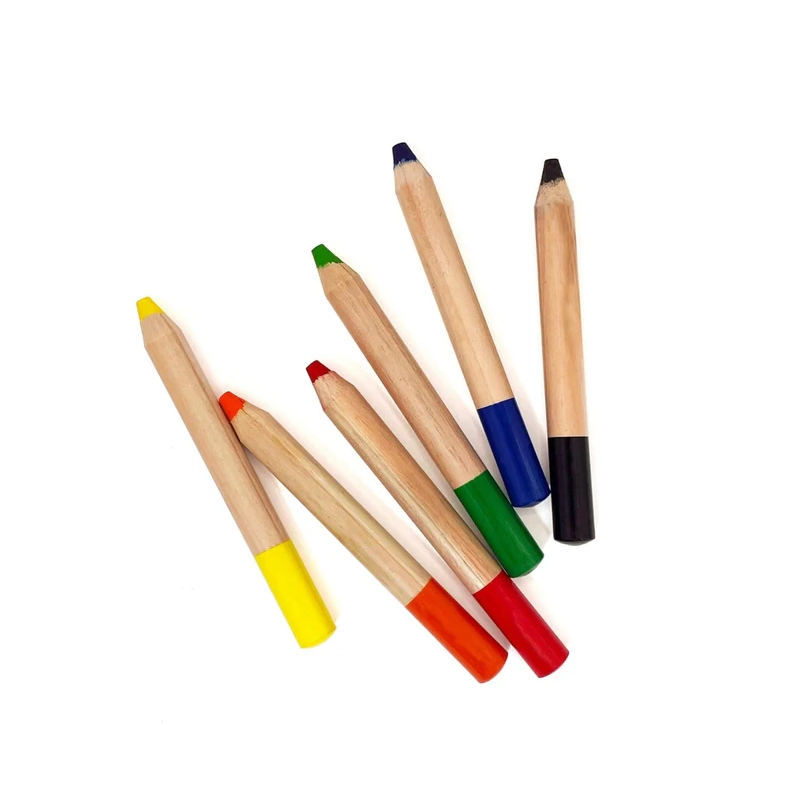
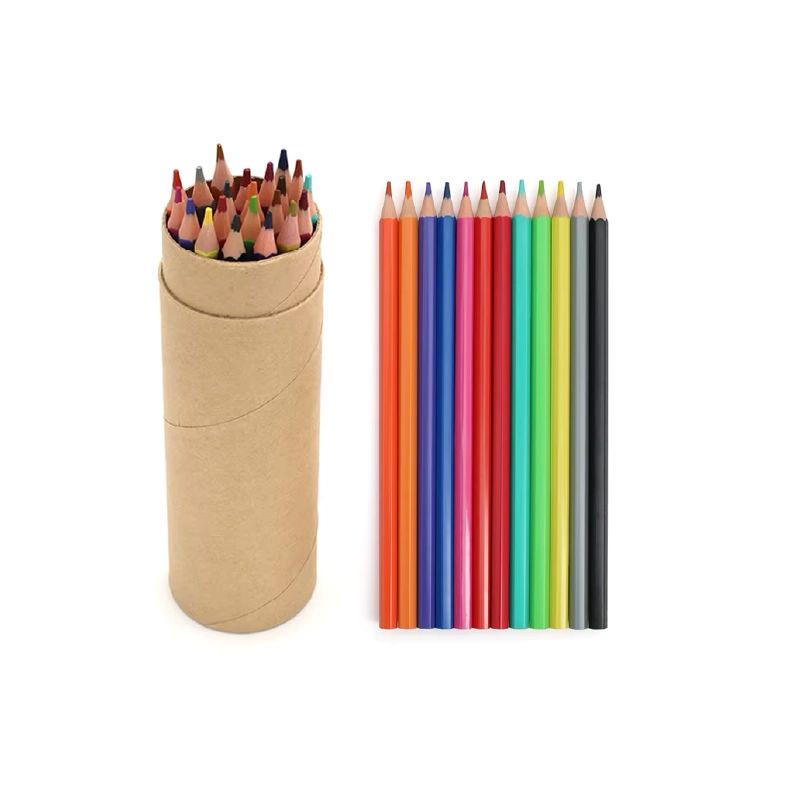
Pencils and colored pencils are ideal tools for developing early writing, drawing, and coloring skills in young children. Designed with thicker, shorter barrels and smooth cores, they fit comfortably in small hands and support proper grip and control. These pencils are suitable for sketching, tracing shapes, practicing letters, and exploring color in everyday classroom activities. Many options feature easy-grip designs, non-roll shapes, and durable tips, helping children build fine motor skills and confidence through creative expression.


Chalk
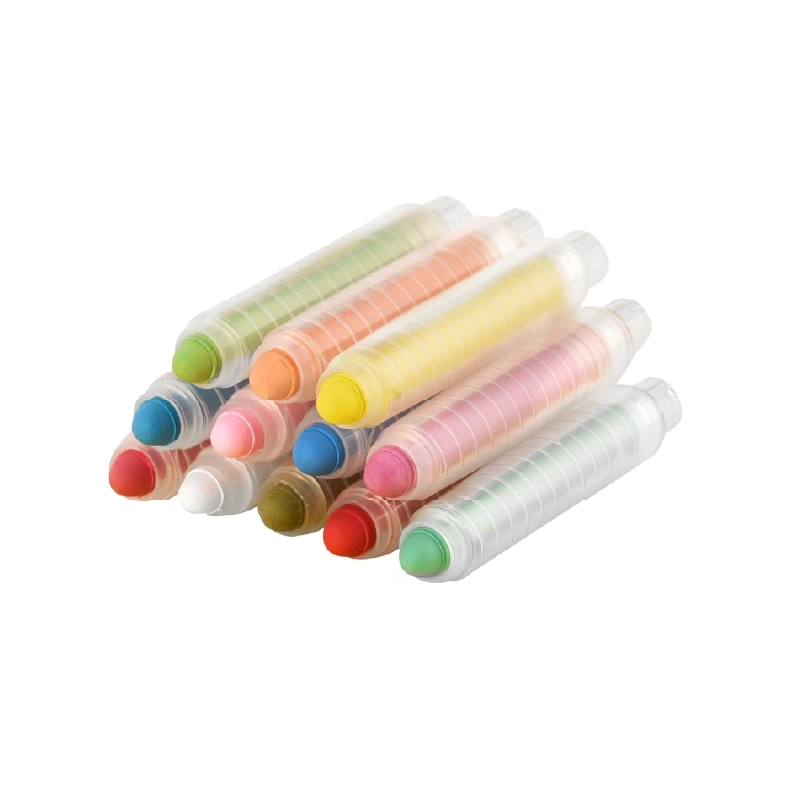
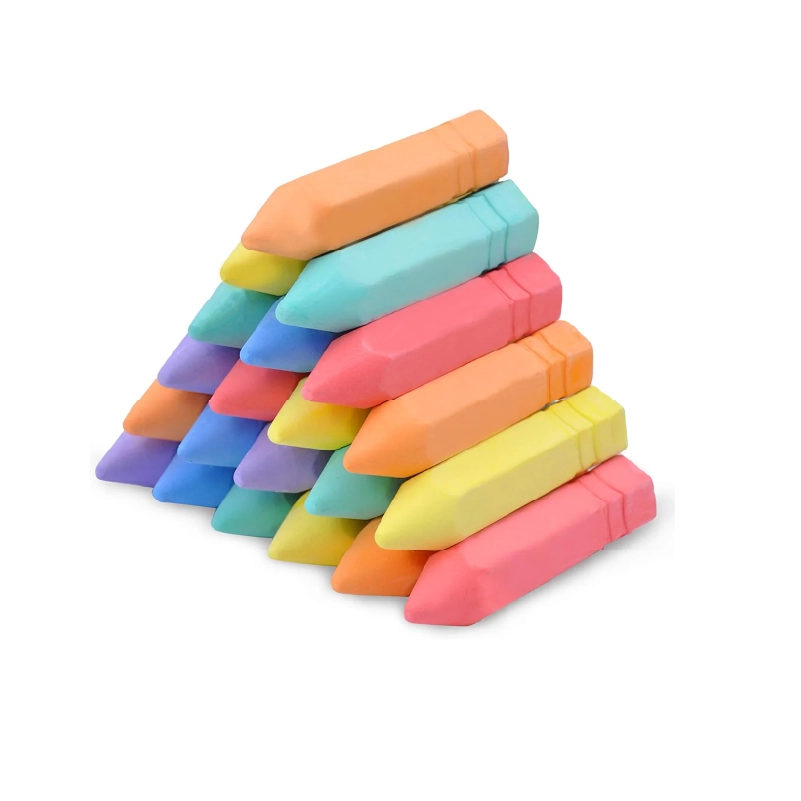
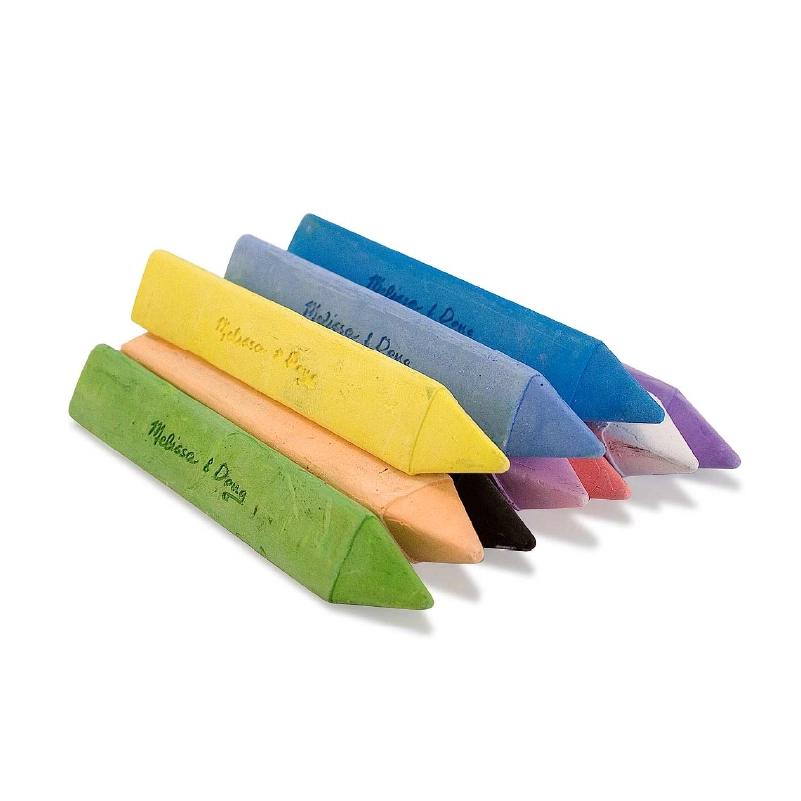
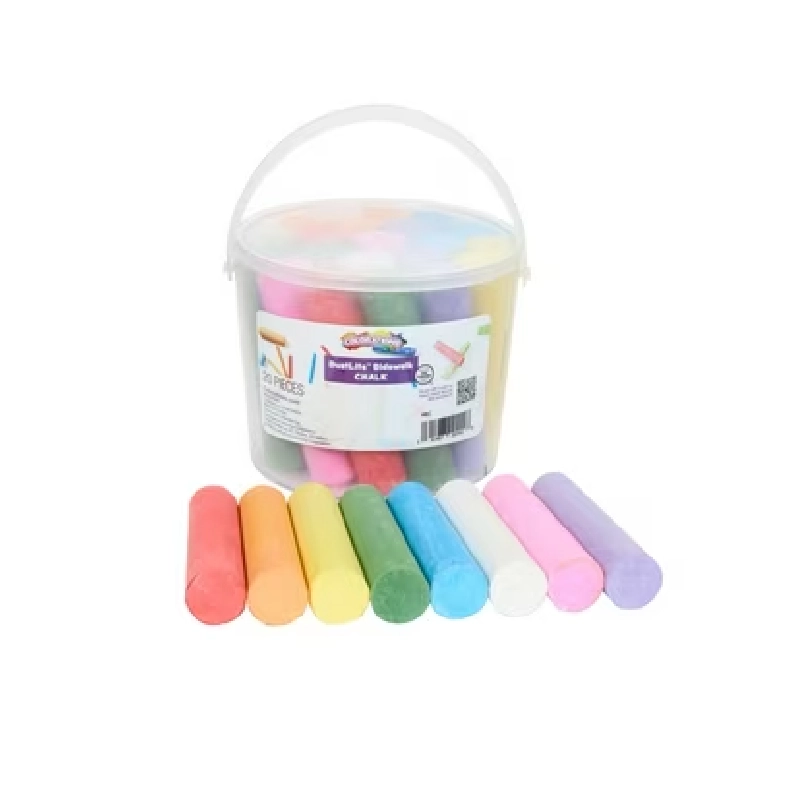
Chalk offers a fun, tactile way for children to explore mark-making both indoors and outdoors. Its smooth, dust-light texture allows for easy cleanup while producing strong, opaque lines on blackboards, chalkboards, or sidewalks. Using chalk supports early writing movements and creative expression while giving children freedom to experiment on large surfaces. Modern formulations are washable, low-dust, and available in multiple colors, making them suitable for every classroom or play yard.
Erasers & Sharpeners
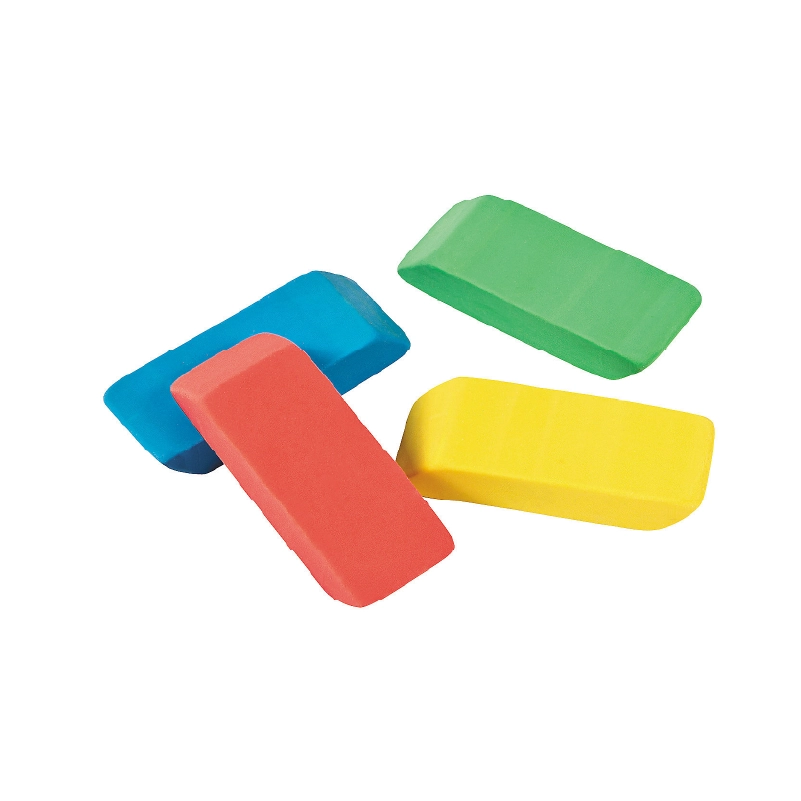
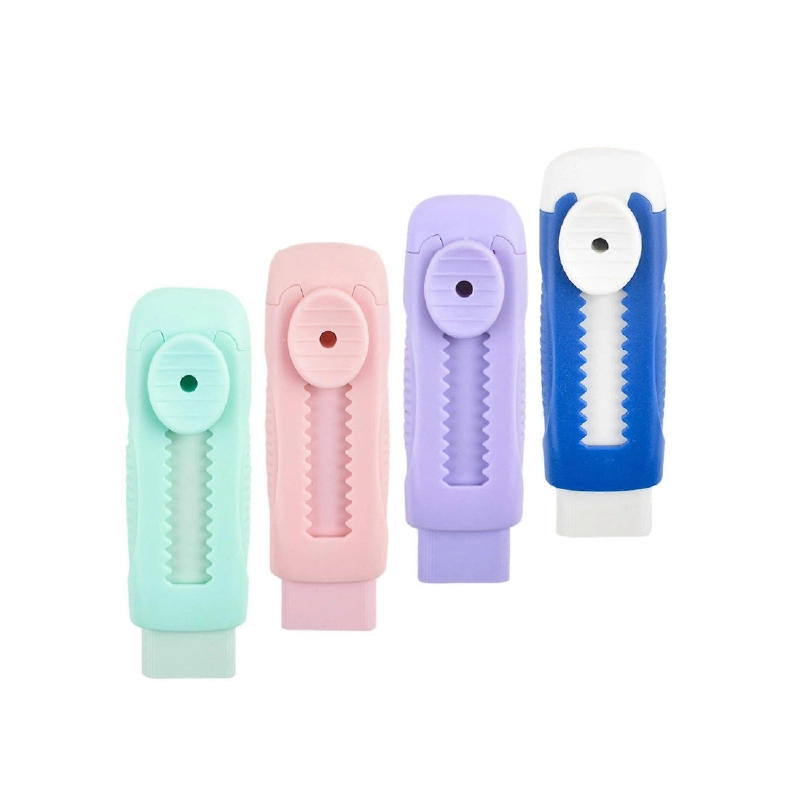
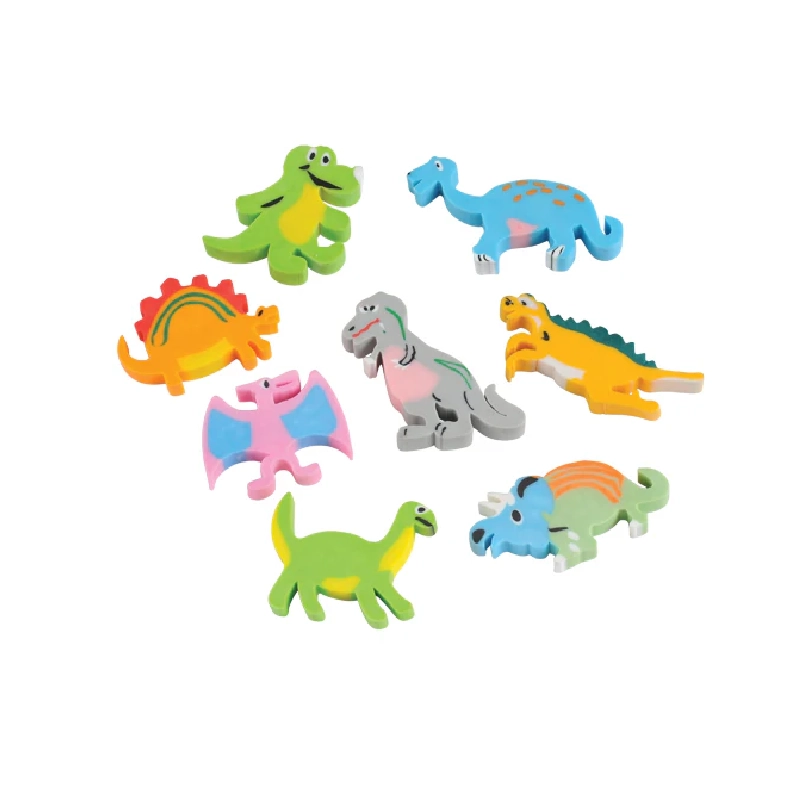
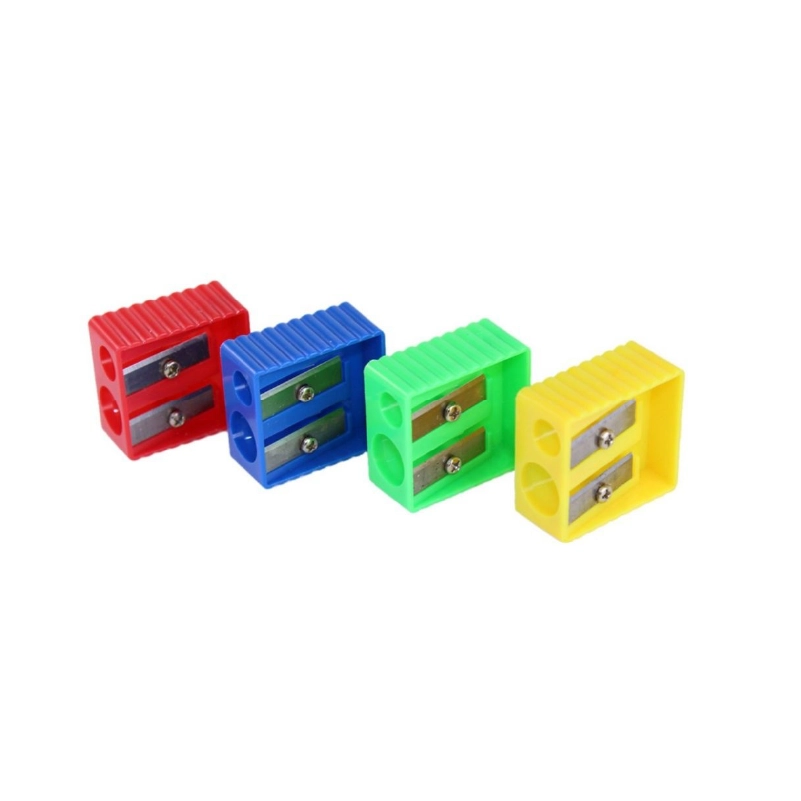
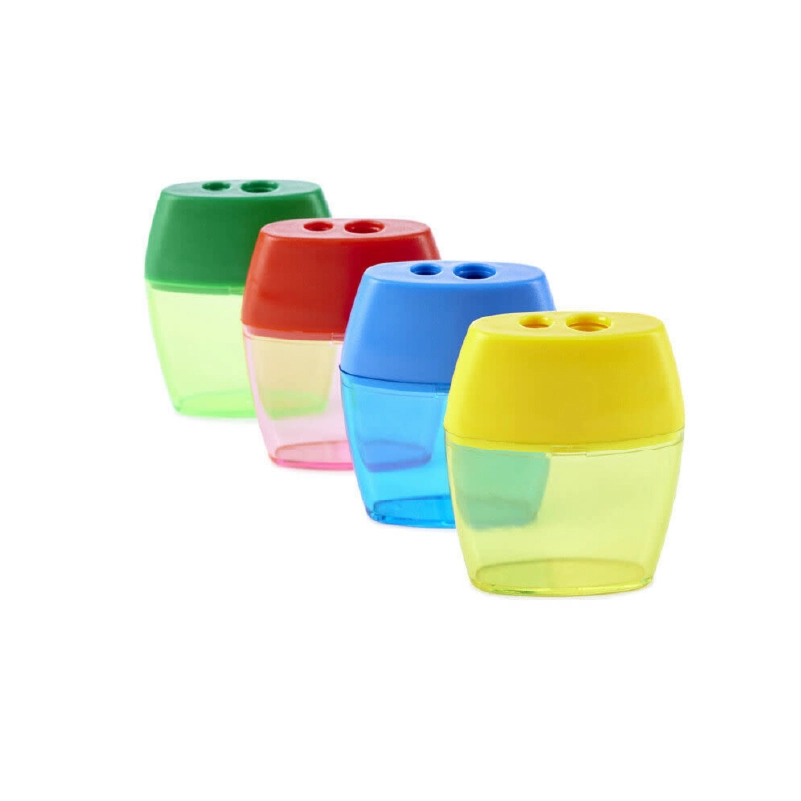
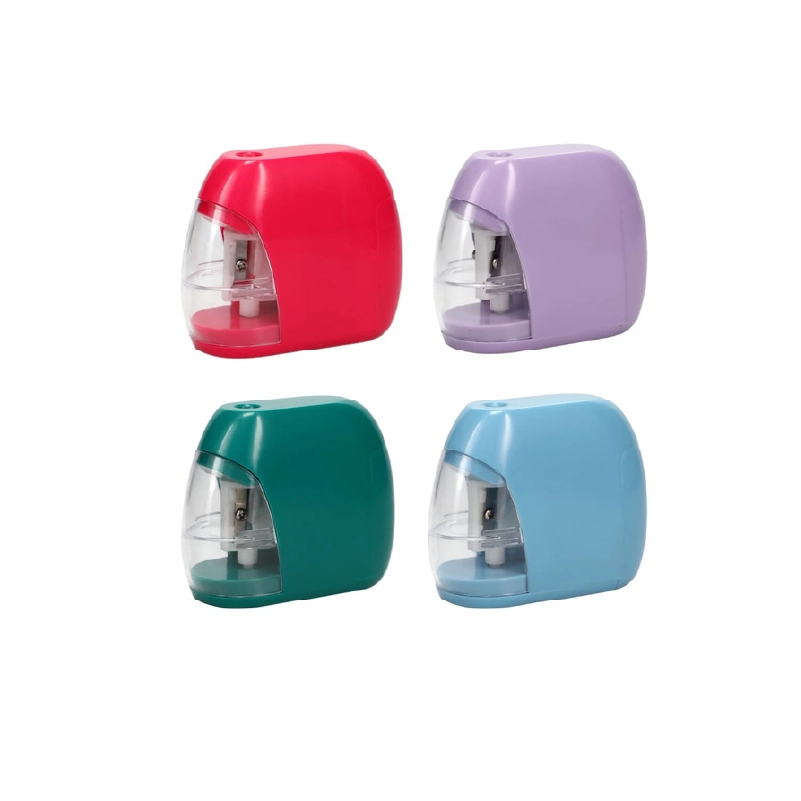
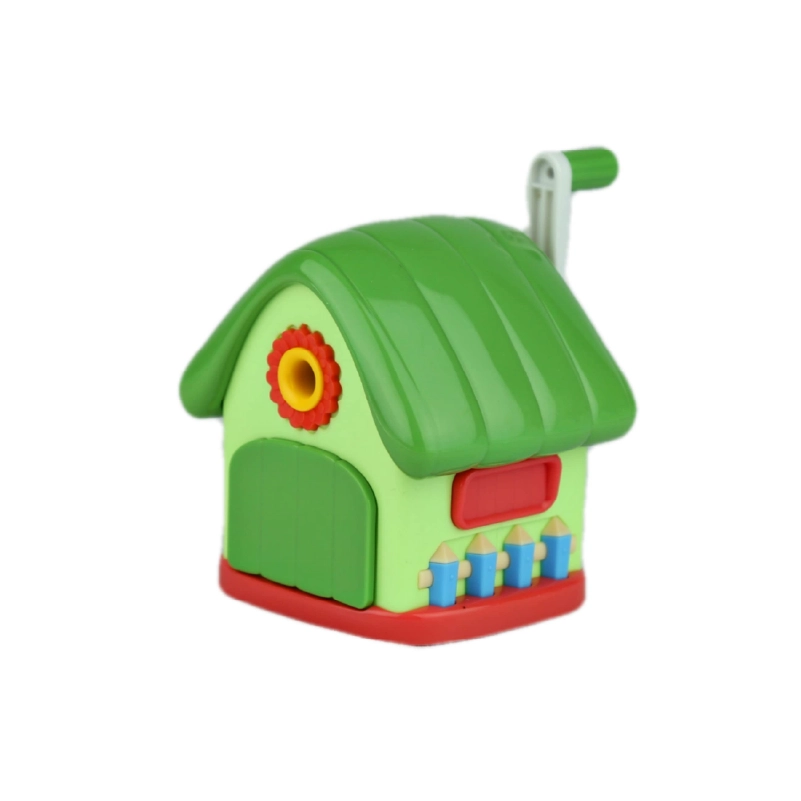
Every drawing space needs reliable erasers and sharpeners. Soft erasers remove marks cleanly without tearing paper, while sharpeners keep crayons and pencils ready for continuous use. Designed for kids, these accessories feature safe blades, ergonomic grips, and bright colors that make them easy to identify and handle. High-quality erasers and sharpeners encourage children to care for their art tools responsibly and maintain a tidy workspace.

How to Choose the Right Drawing Supplies for Different Age Groups
Drawing Supplies for Ages 2–3
Children aged 2 to 3 are just beginning to explore their ability to grasp and make marks. Their drawing tools should be oversized, soft, and designed for early sensory exploration.
- Jumbo Crayons: Extra-thick and easy to grip, these crayons are ideal for introducing toddlers to color without requiring precision or pressure.
- Chunky Graphite Pencils: Large, round barrels allow little hands to grip securely, helping develop early coordination and control.
- Soft Grip Erasers: Rounded and oversized, they are easy to hold and safe to use, giving toddlers a gentle introduction to correction tools.
- Crayon Sharpeners with Safety Features: Designed with enclosed blades and large handles to allow safe, guided sharpening practice.

Drawing Supplies for Ages 3–4
At this age, children begin to refine their motor control and are ready for more interactive drawing activities with basic structure.
- Twistable Crayons: No need for sharpening or peeling—these mess-free crayons are perfect for toddlers gaining independence.
- Short Beginner Pencils: Slightly smaller than jumbo pencils but still easy to grip, helping children transition toward writing tools.
- Triangle Grip Pencils: Encourage the correct finger position while offering a sturdy shape that resists rolling.
- Jumbo Colored Chalk: Great for creative exploration on large surfaces like blackboards or pavement, building upper body coordination.

Drawing Supplies for Ages 4–5
Children aged 4 to 5 are beginning to focus on detail, follow guided art instructions, and express complex ideas through drawing.
- Bright Colored Pencils: Designed for stronger grip and fine control, these help with coloring inside lines and creating visual detail.
- Triangle Learning Pencils: Support ergonomic grip and reduce hand fatigue during longer drawing or tracing sessions.
- Washable Board Chalk: Allows for creative expression while ensuring easy cleanup and safe indoor use.
- Dual-Hole Sharpeners: Adaptable for both large and regular-sized crayons or pencils, encouraging independence and responsibility.

Drawing Supplies for Ages 5–6
Older preschoolers develop stronger control and cognitive planning in art. They are ready for more advanced tools and focused creativity.
- Standard Colored Pencils: Slim and smooth, ideal for detail work and layering colors.
- Sketching Pencils (HB or 2B): Introduce concepts like shading and depth for advanced pre-K art practice.
- Dual-Ended Color Pencils: Save space and offer more color choices per tool, fostering more intentional artwork.
- No-Roll Hex Pencils: Keep desks tidy and safe by preventing pencils from rolling onto the floor during lessons.
Materials and Safety Standards
Non-Toxic and Certified Safe Materials
All preschool drawing supplies must meet the highest safety standards to ensure they’re safe for daily use by young children. Products that carry EN71 or ASTM D-4236 certification give educators and parents confidence that no harmful substances like lead or phthalates are present. These certifications are essential for classrooms where accidental contact with skin or mouths can occur, especially among younger age groups.
Child-Friendly Designs for Safer Use
Beyond the materials themselves, the physical design of drawing tools plays a critical role in classroom safety. Tools made for preschoolers should have rounded edges, oversized shapes, and thick barrels to make them easier to grip and harder to swallow. For example, triangle-shaped pencils prevent rolling and promote correct hand posture, while ventilated caps on twistables add an extra layer of protection.
Washable and Low-Allergen Finishes
Clean-up is a constant in any preschool art area, which is why washable finishes are a must. Drawing tools that rinse easily off hands, furniture, and fabrics simplify classroom management and encourage stress-free creativity. Additionally, products made with hypoallergenic pigments and fragrance-free components help protect children with sensitive skin or allergies, making them more inclusive for every student.
Durability for Daily Classroom Use
Preschool environments are fast-paced and filled with movement, so art supplies must be able to withstand frequent handling. Crayons with reinforced cores, pencils with break-resistant leads, and sharpeners made from tough, shatterproof plastic are all better suited for young learners. Choosing more durable options helps reduce waste and keeps the classroom safer and more organized over time.
Classroom Storage and Organization Tips
- Labeled and Color-Coded Systems
An organized classroom supports both learning and independence. When drawing supplies are stored in clearly labeled containers—ideally with both images and color codes—young children quickly learn where everything belongs. This system not only speeds up setup and clean-up but also nurtures responsibility and visual recognition skills. - Designing Dedicated Art Zones
Separating areas for different art activities helps manage flow and focus. For example, a quiet table with colored pencils and sketchbooks allows children to work independently, while an open wall space with chalk or murals invites large, expressive movements. Assigning specific materials to each zone keeps supplies organized and aligned with developmental goals. - Implementing Supply Rotation and Refill Cycles
Instead of displaying all drawing tools at once, consider rotating them throughout the year to maintain excitement and avoid clutter. Supplies that align with current projects or seasons can be moved into the main area, while off-theme items are stored for later use. Setting a regular schedule for refilling bins and replacing broken tools ensures that everything remains in good condition and readily available. - Building Daily Cleanup Habits
Clean-up routines are just as important as the creative process itself. Children can be encouraged to return drawing tools to their labeled spots, check if pencils need sharpening, and wipe down shared surfaces. When these habits are consistently modeled and reinforced, students not only help maintain a clean classroom but also build self-discipline and accountability.
Vibrant and Safe Paint Supplies for Early Learning
Discover a full range of paint supplies designed for preschool classrooms including washable paints, easy-grip brushes and mess-free accessories. Crafted for young artists, our paint supplies support hands-on creativity, color exploration and motor skill development. Ideal for daily classroom use, each item is safe, easy to clean and perfect for encouraging expressive learning.
Paint Brushes
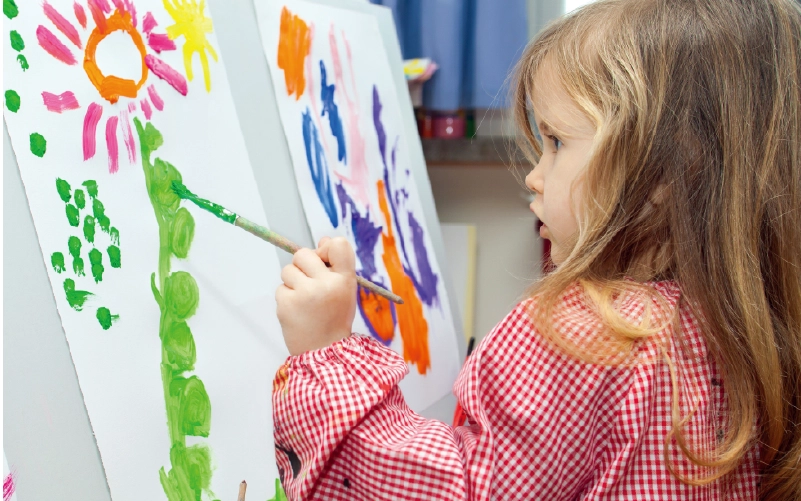
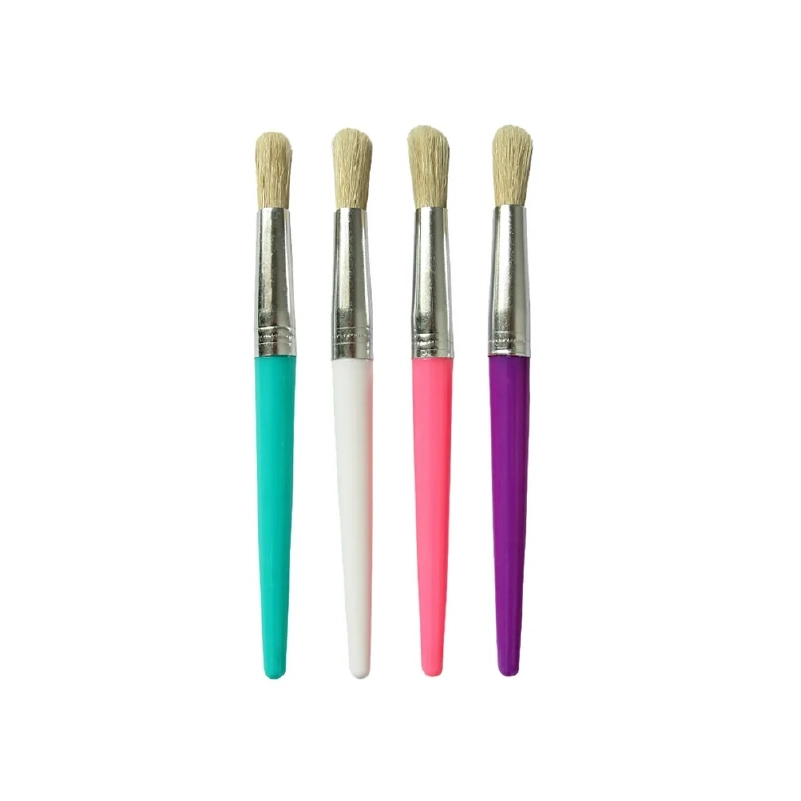
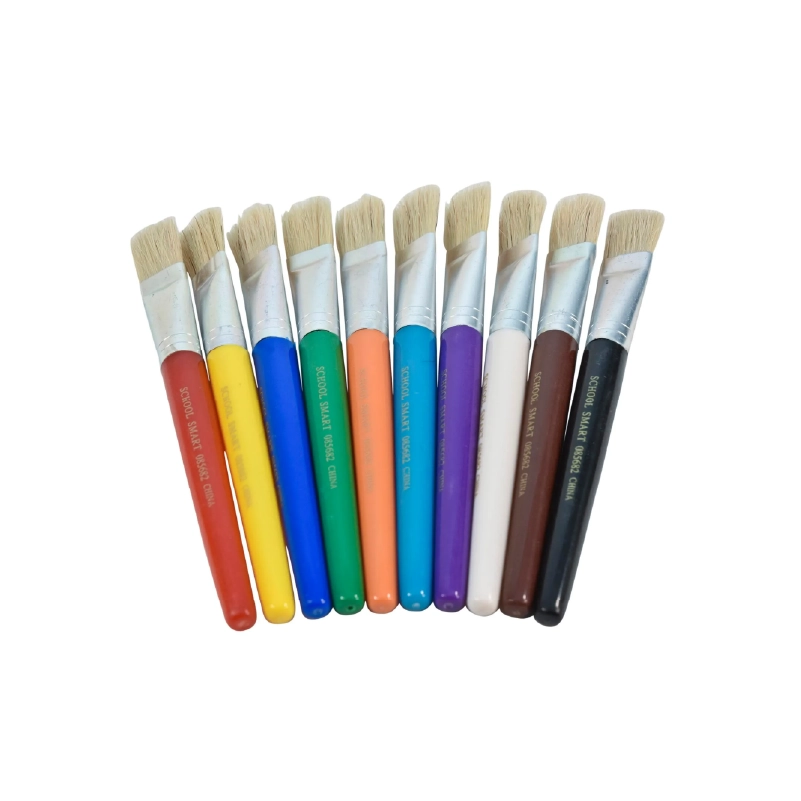
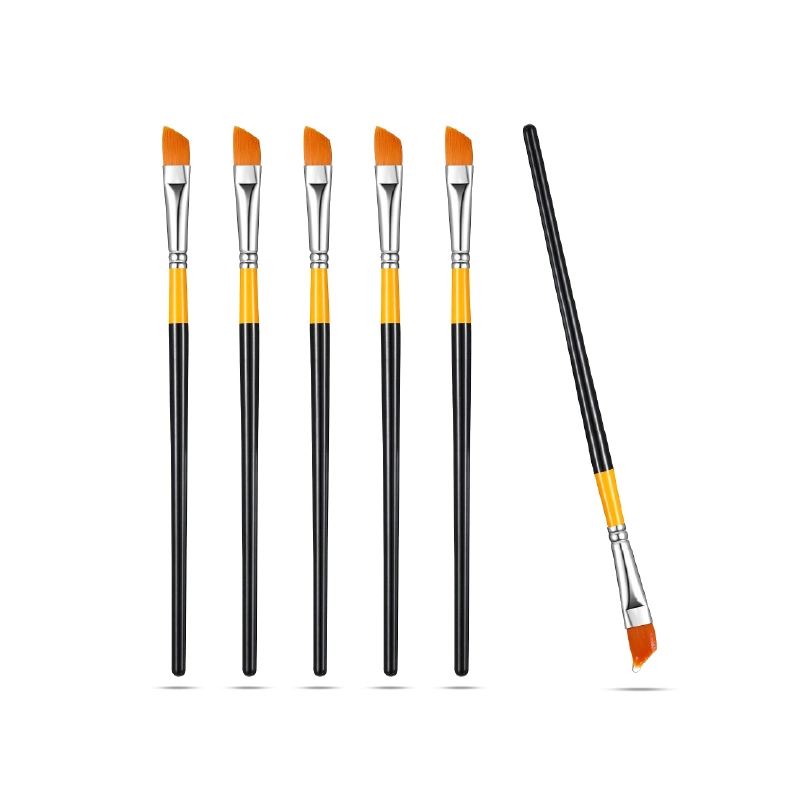
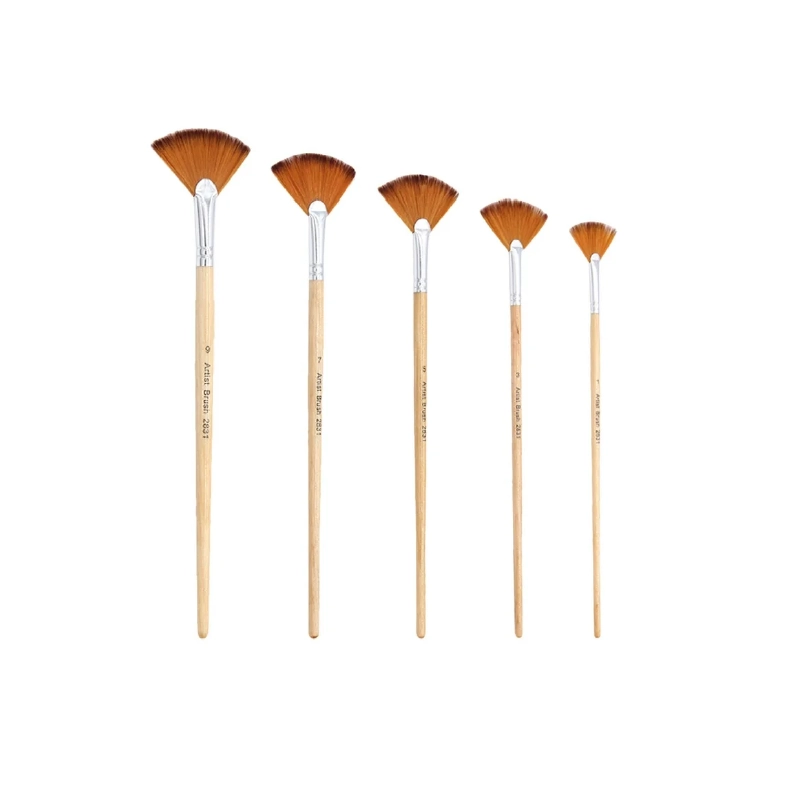
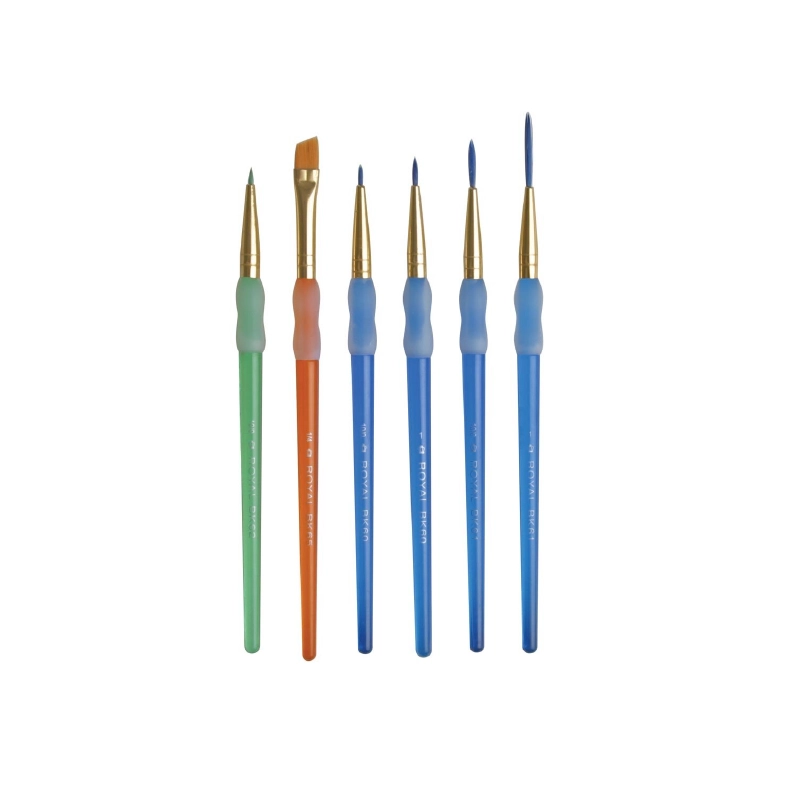
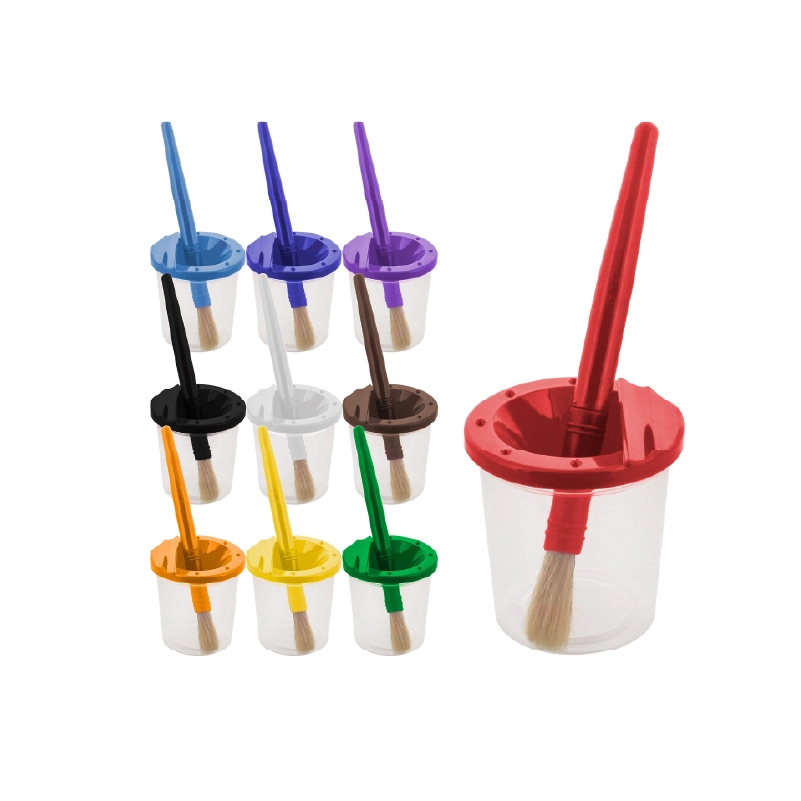
Paint brushes are essential for introducing preschoolers to expressive painting techniques. From wide strokes to detailed lines, each brush type supports a different creative need. Child-friendly brushes typically feature short, thick handles for easier grip and control, soft bristles for gentle application, and easy-to-clean designs that withstand frequent classroom use. Offering a variety of shapes—round, flat, angled—helps children explore textures, lines, and layering in their early art experiences.

Tempera Paint
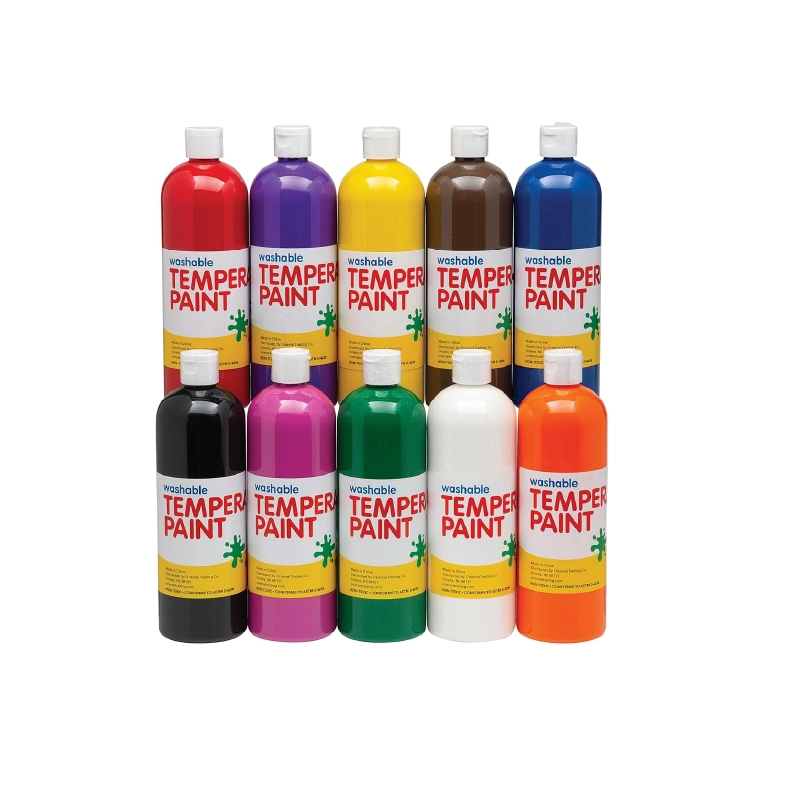
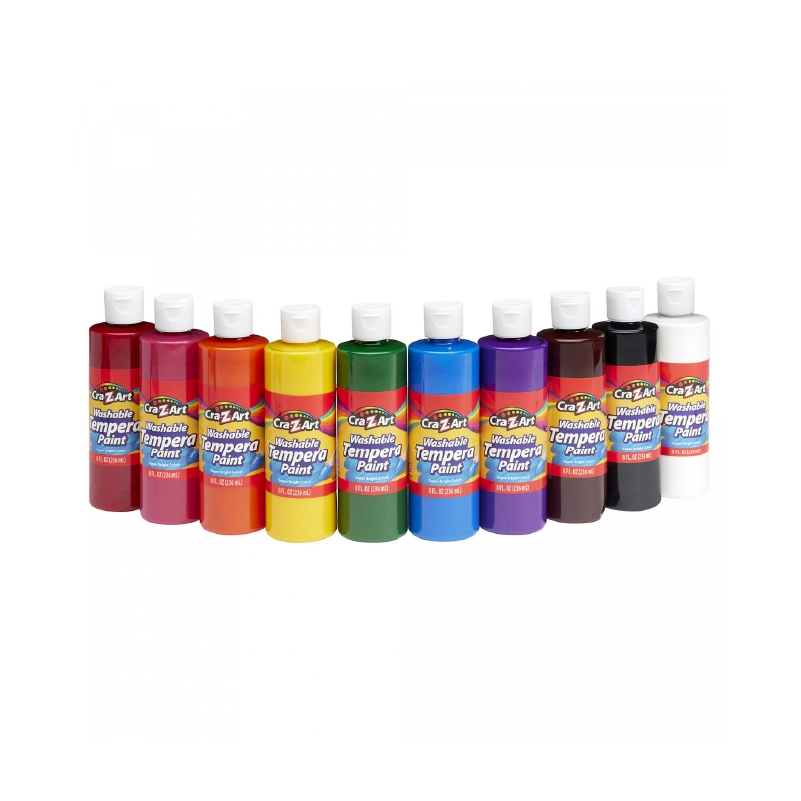
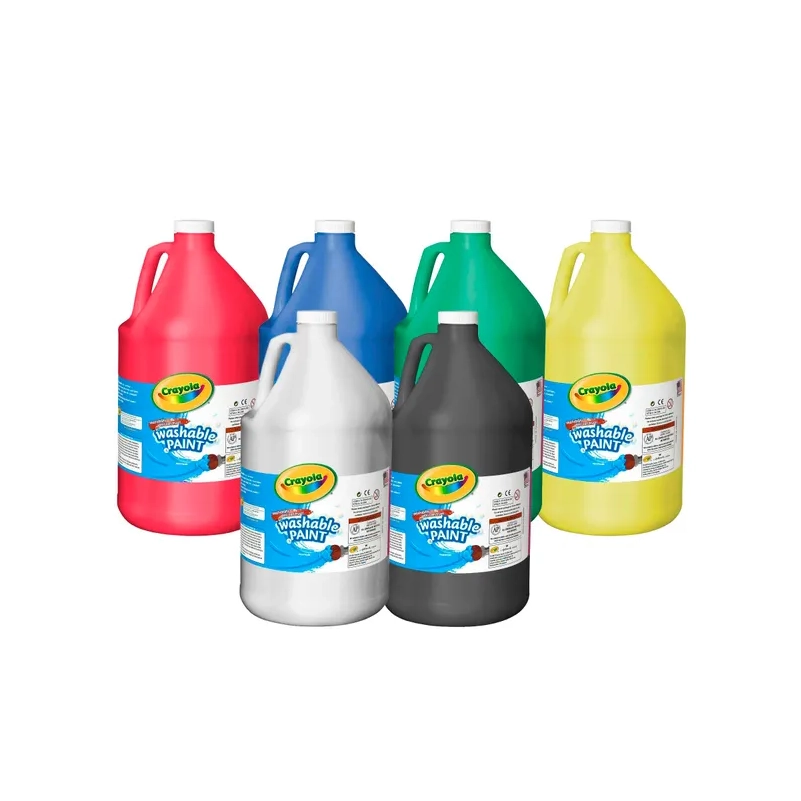
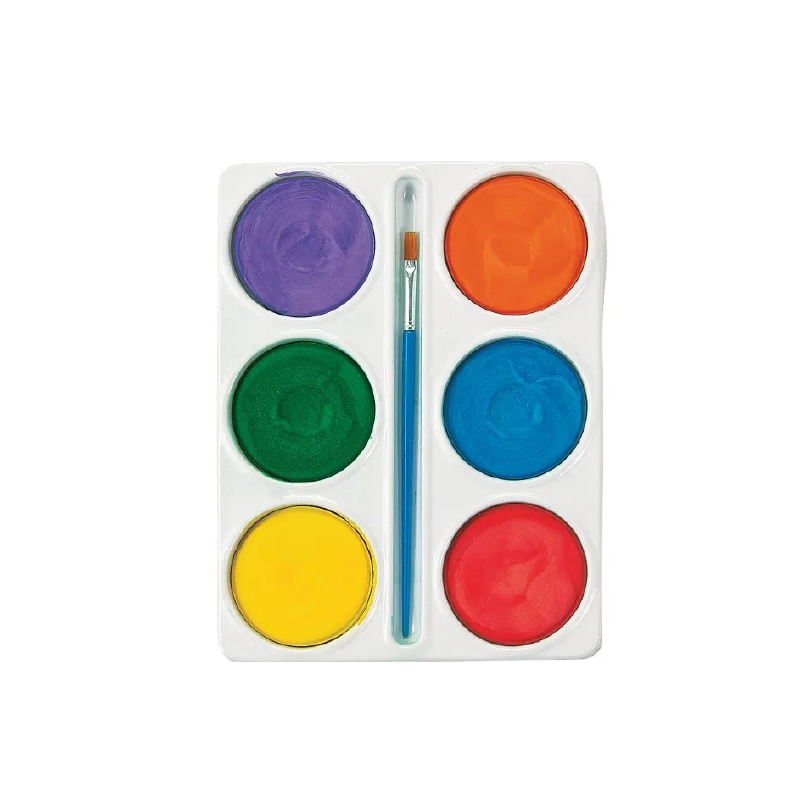
Tempera paint is one of the most popular art mediums in early childhood classrooms. It’s water-based, non-toxic, and washable, making it ideal for young children. Known for its bold colors and smooth texture, tempera works well on paper, cardboard, and wood surfaces. It’s available in bottles, pucks, and tubes for easy dispensing, and often dries quickly to reduce mess. Teachers love it for its classroom versatility, while kids love its bright, engaging results.
Watercolors
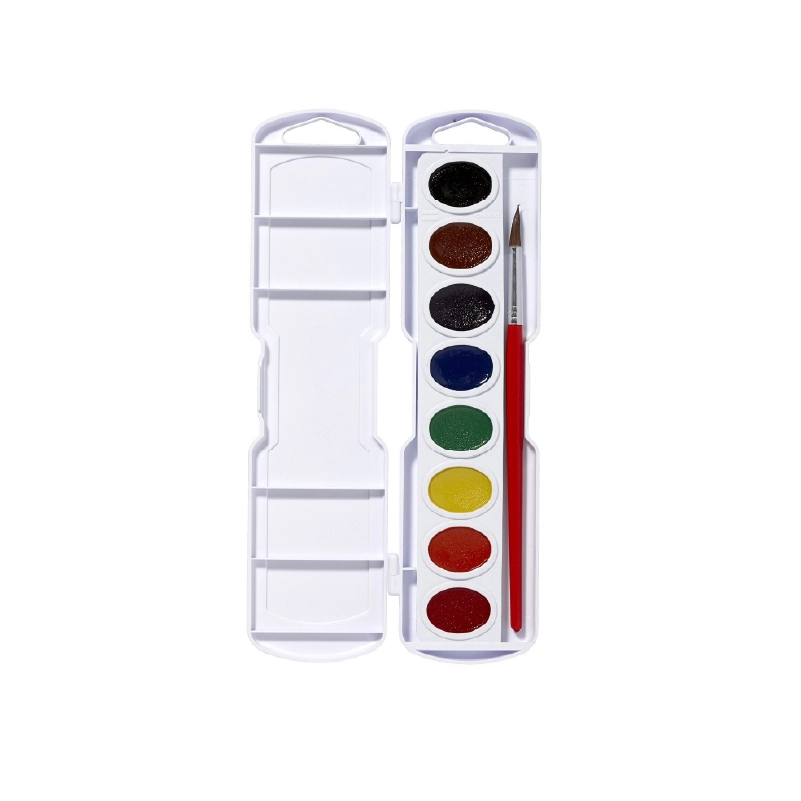
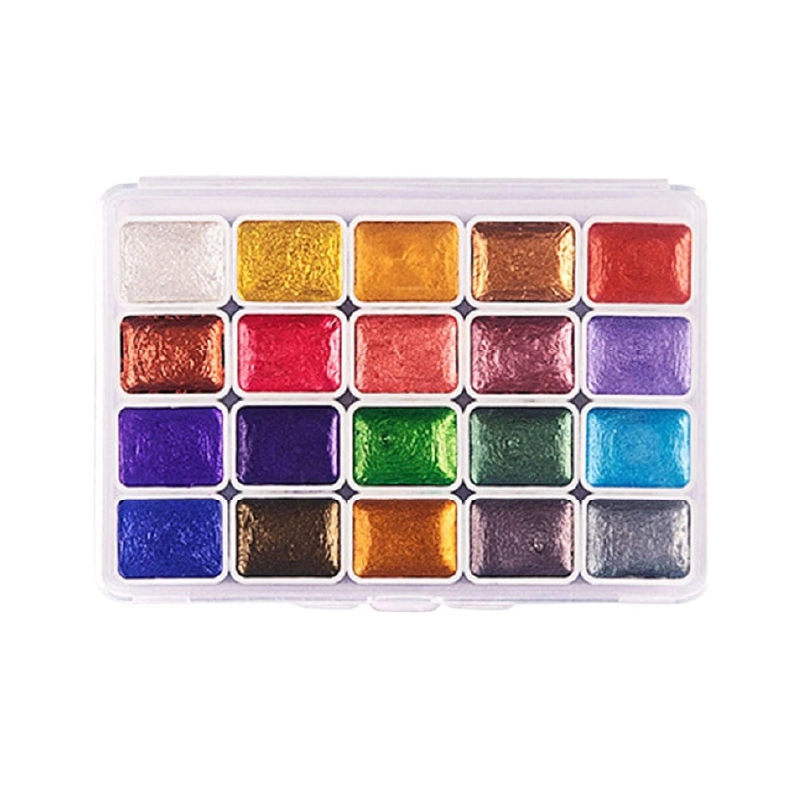
Watercolors provide a gentle, flowing painting experience that teaches children about color mixing, transparency, and layering. Their low-mess, solid-pan format makes them easy to manage, especially when paired with no-spill water cups and brushes. Suitable for older preschoolers, watercolors help develop fine motor skills and artistic patience. Many kits come with built-in palettes and are designed to be refillable and reusable for sustainable classroom use.

Poster Paint
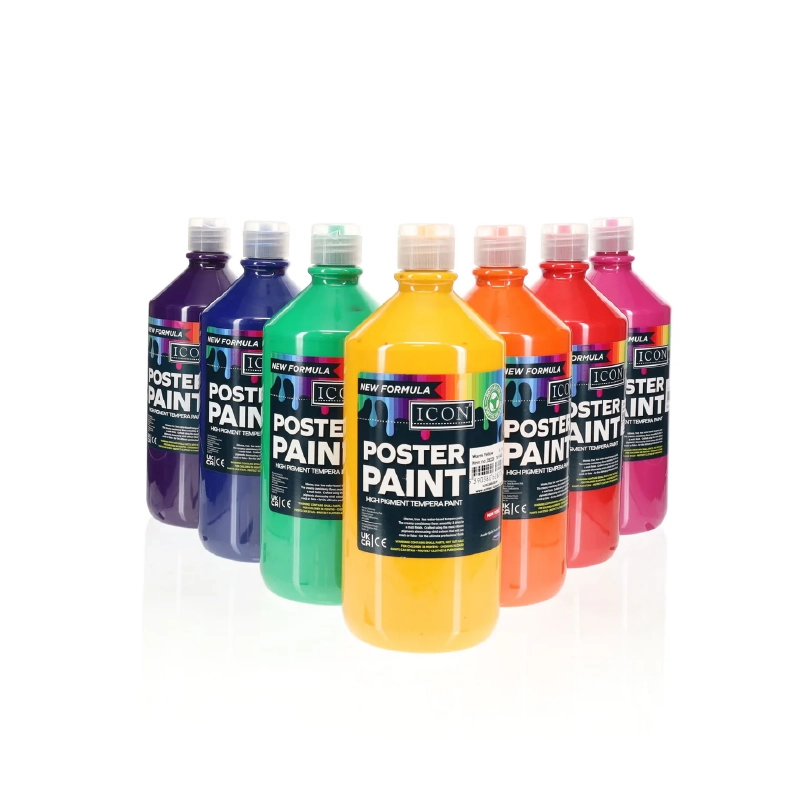
Poster paint is perfect for big, bold projects like classroom displays, banners, or group murals. It has a thicker consistency than tempera, providing stronger coverage and vibrant color payoff. Poster paint is designed for use with brushes, rollers, or sponges, and works best on large surfaces. Most classroom poster paints are non-toxic, washable, and available in a wide range of vivid hues. Ideal for dramatic effects and expressive creations.


Paint Accessories
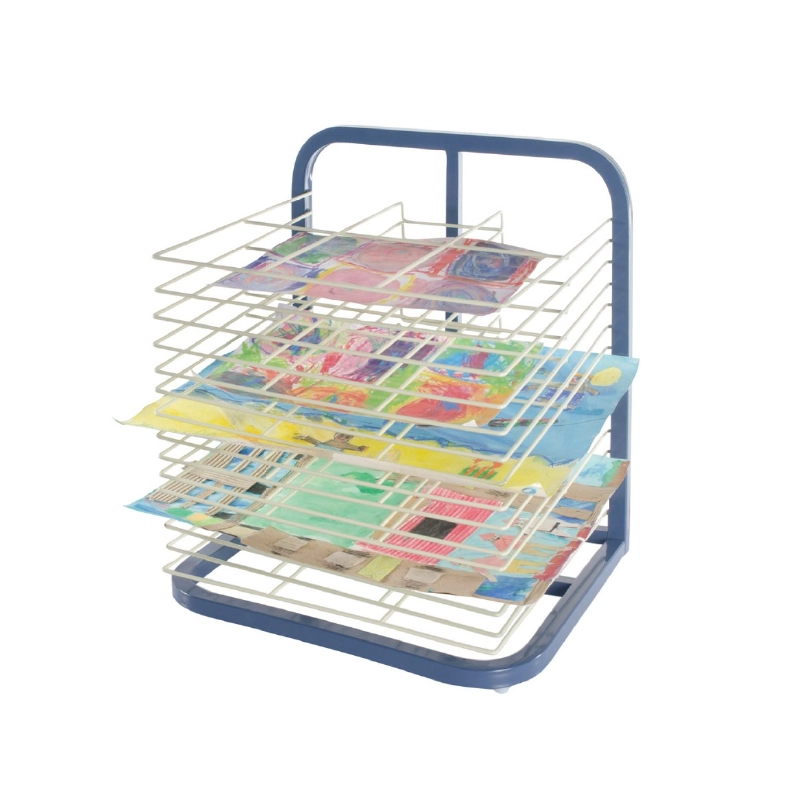
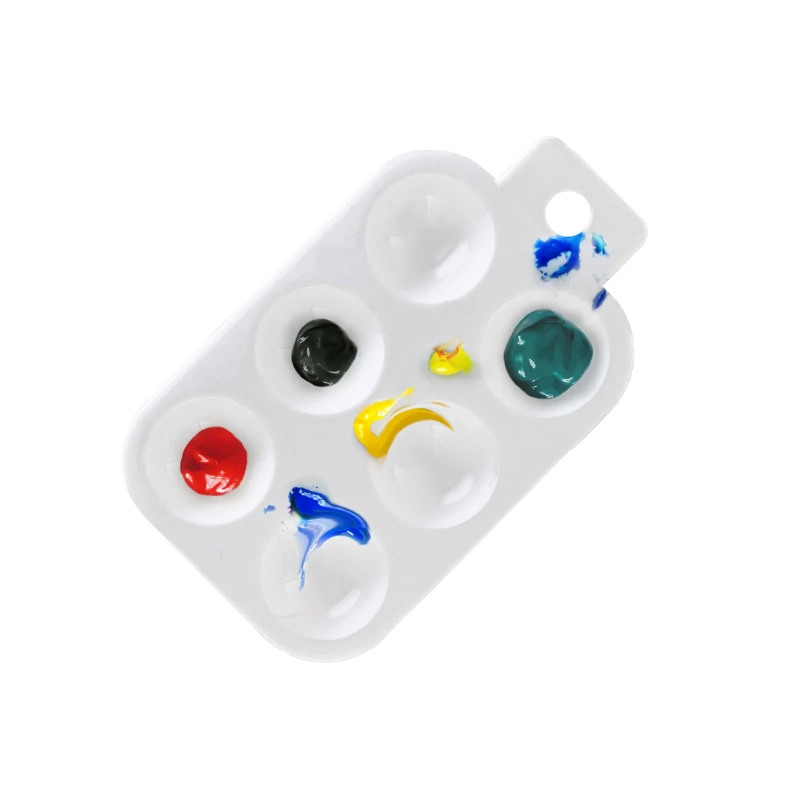
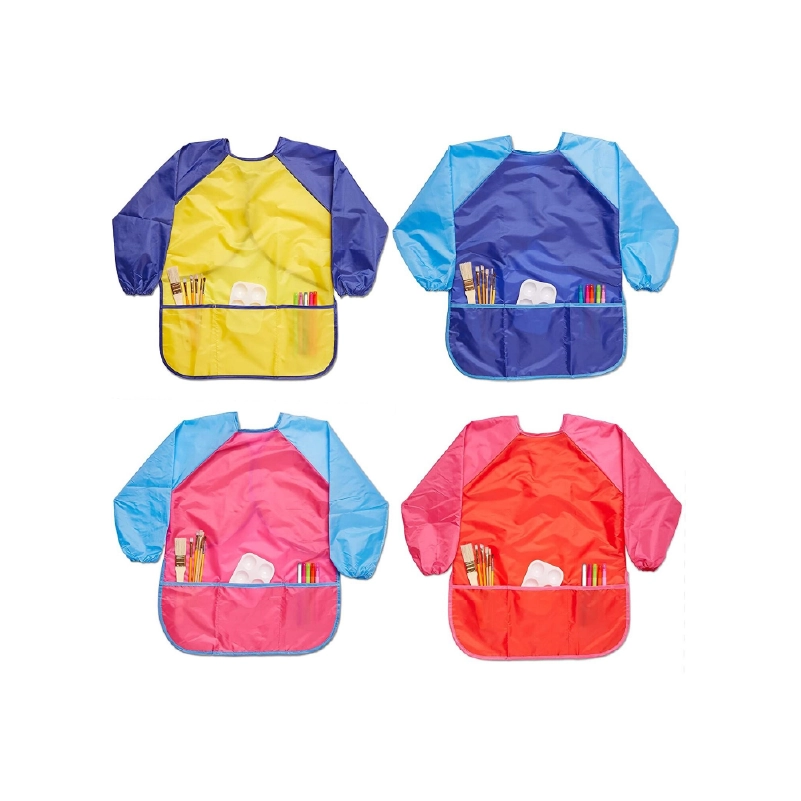
Well-chosen paint accessories help keep creative time organized and engaging. Items like mixing trays, no-spill paint cups, and brush holders make classroom painting safer and more manageable for both teachers and children. Aprons and drying racks support cleanliness and structure, while storage organizers ensure that materials are easy to find and return. These tools foster independence and help children take pride in caring for their art supplies.


Choosing Paint Supplies by Age Group
Toddlers (Ages 1–3)
At this early stage, painting is more about exploration than precision. Toddlers need painting tools that are safe, oversized, and easy to grasp. Finger paints are ideal because they allow children to use their hands directly, promoting sensory development. All products must be labeled as non-toxic and washable. Choose tools such as jumbo foam brushes, stampers, and no-spill paint cups. Avoid items with small parts or removable lids that could pose a choking hazard. Instead of traditional paper, offer large sheets taped to the table or floor to keep the work surface stable.
Preschoolers (Ages 3–5)
Preschool children begin to understand basic art techniques and can follow simple instructions. At this age, a wider variety of **Art Craft Supplies** can be introduced. Washable tempera paint becomes a staple, along with small to medium-sized brushes that support more controlled strokes. Offer painting tools like rollers, sponge shapes, and plastic scrapers to introduce texture and layering. Include child-sized aprons and drying racks to teach responsibility and routine. Paint palettes can be introduced for basic color mixing exercises. Children in this age group also enjoy themed projects. Having seasonal templates or simple prompts can make painting more engaging while supporting early literacy and math through storytelling or shape recognition.
Kindergarten and Up (Ages 5–6+)
Older preschoolers and kindergartners develop more focus and fine motor control. They’re ready for more detailed tools such as smaller brushes, watercolors, and even guided painting exercises. Encourage the use of palettes for mixing secondary colors, and introduce light art vocabulary during activities. At this stage, children also benefit from creative freedom. Offer open-ended projects and let them choose from a variety of tools including paint sticks, textured rollers, and dropper bottles. This helps build confidence and nurtures individual artistic style. Selecting age-appropriate painting supplies ensures that children remain safe while engaging in developmentally beneficial activities. When the tools match their skills, creativity flows more naturally.
Safety Tips for Paint Supplies in Daycare Settings
-
Choose Non-Toxic, Child-Safe Materials The first and most important step in ensuring safety is selecting Art Craft Supplies that are clearly labeled as non-toxic and suitable for early childhood use. Always check for certifications such as ASTM D-4236 or AP (Approved Product) seals, which indicate that the materials have passed safety testing. Avoid products with strong chemical odors, small loose parts, or unclear ingredient lists. Use open shelving or labeled bins to store Art Craft Supplies within children’s reach. Items like paintbrushes, cups, palettes, and paper should be clearly organized so kids can access what they need independently.
-
Supervise All Activities Closely Even with safe materials, adult supervision is essential during painting activities. Caregivers should stay nearby to monitor how tools are used and to offer assistance when needed. Ensure that children do not put paintbrushes, fingers, or painted items in their mouths. Supervision also allows teachers to guide proper use of supplies, preventing waste and accidents. Limiting the number of tools or colors can also help younger children stay focused. Rotating supplies weekly keeps things fresh without overwhelming them with choices.
-
Avoid Choking Hazards and Sharp Edges Art tools such as sponge stamps, paint cups, and brushes should be free from small removable pieces that could pose a choking risk. Select brushes with secure bristle attachments and foam applicators with wide handles. Avoid metal or pointed ends on any tool designed for use by children under five years old. Verbally explain each step slowly and in short sentences. Reinforce key vocabulary like color names, tool names, or action words such as "dab," "brush," or "mix." This not only supports art-making but also builds language skills.
-
Use Protective Gear and Table Covers Provide smocks or aprons to protect clothing and skin. These should be washable, easy to put on, and sized for young children. Cover tables with reusable, waterproof mats or plastic sheets to prevent damage and ease cleanup. This reduces the risk of slipping on wet paint and keeps the classroom environment hygienic. Provide options for different approaches—some children may prefer finger painting while others gravitate toward brushes or stamps. Emphasize that there are no mistakes in art, only discoveries.
-
Teach Safe Handling and Cleanup Make safety part of the learning experience by teaching children how to handle art supplies responsibly. Show them how to carry paint cups, use brushes gently, and clean tools after use. Set up a clear routine for returning supplies, disposing of waste, and washing hands after painting. Clear instructions and consistent routines help children understand boundaries and develop good habits. Label storage bins with pictures and colors so children know exactly where to put things, which supports both safety and independence.
-
Store Supplies Securely When Not in Use All Art Craft Supplies should be stored in closed containers and placed out of reach when not supervised. Hazardous items, such as adult-use paints, glue guns, or solvent-based cleaners, should be locked away or stored in high cabinets. Rotate only child-safe items into the active art area and audit your supply shelf regularly for expired or damaged products. This integration not only reinforces other subjects but also helps children make meaningful connections between what they’re learning and what they’re creating.
Creative and Colorful Crafty Stuff for Preschool Classrooms
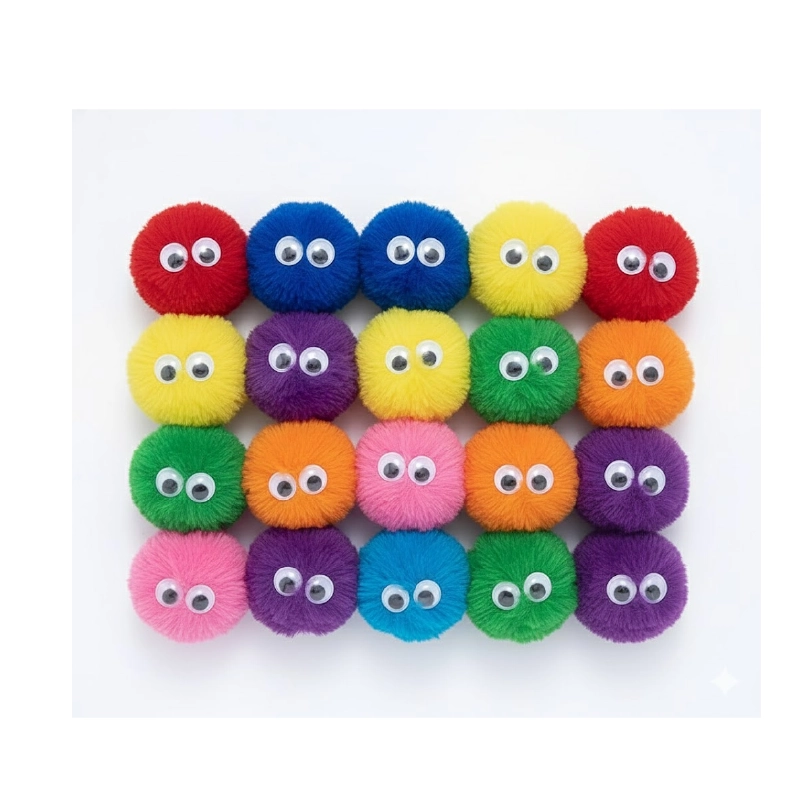
Explore our wide selection of Crafty Stuff perfect for preschool creativity including pom poms, glitter, safety scissors and glue. Designed to inspire imagination and support fine motor development, these classroom essentials are safe, engaging and easy to organize. Ideal for hands on learning and group art projects, our crafty materials turn every idea into a fun and meaningful creation.
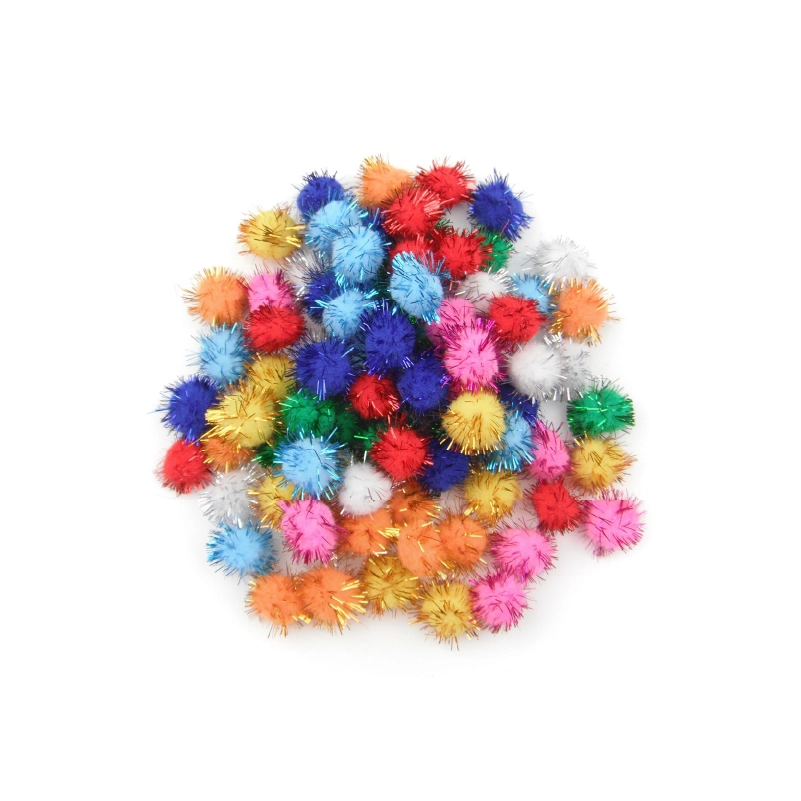
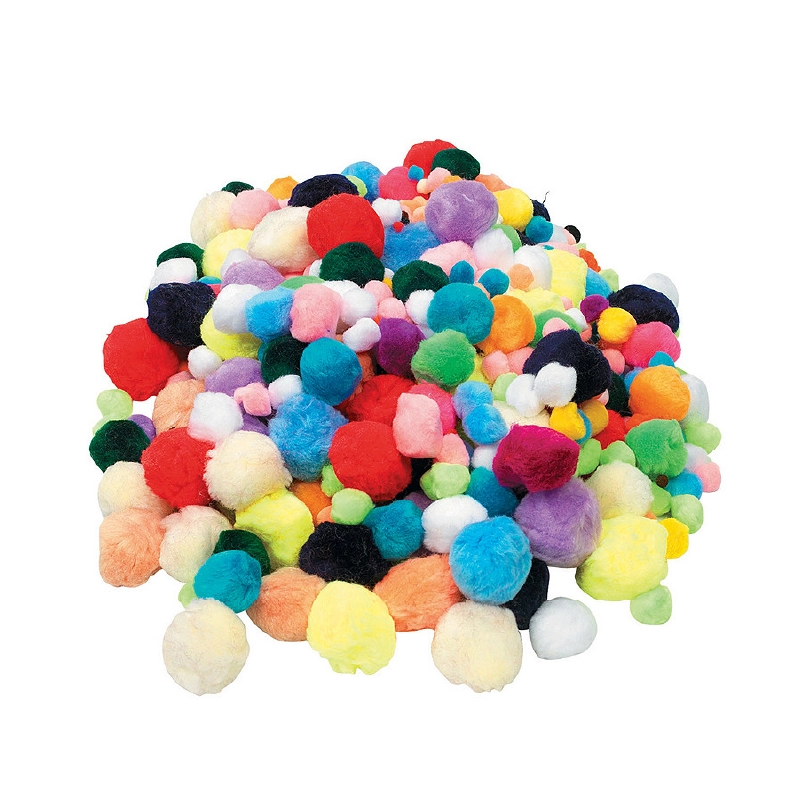
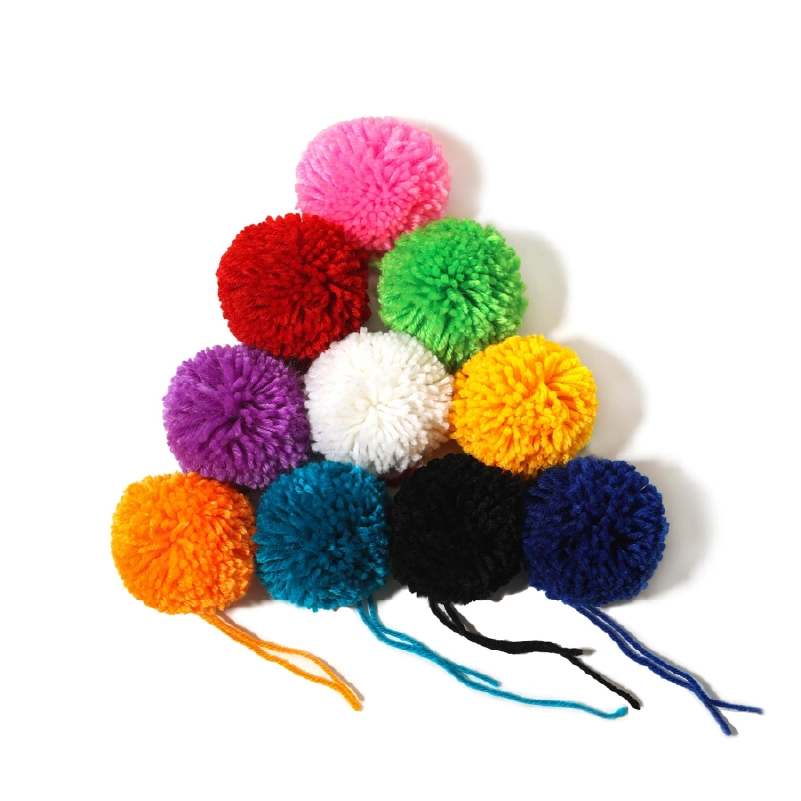
Pom Poms
Crayons are one of the most essential drawing tools for young learners, offering bright, vibrant colors and an easy-to-grip design that encourages creativity and confidence. Their wax-based texture allows children to apply smooth, even color without the need for pressure or precision. Crayons help children build early hand strength, improve fine motor coordination, and express ideas freely on paper, cardboard, or craft materials. Available in a wide variety of shapes, sizes, and finishes, they remain a timeless choice for preschool art activities.
Glitter
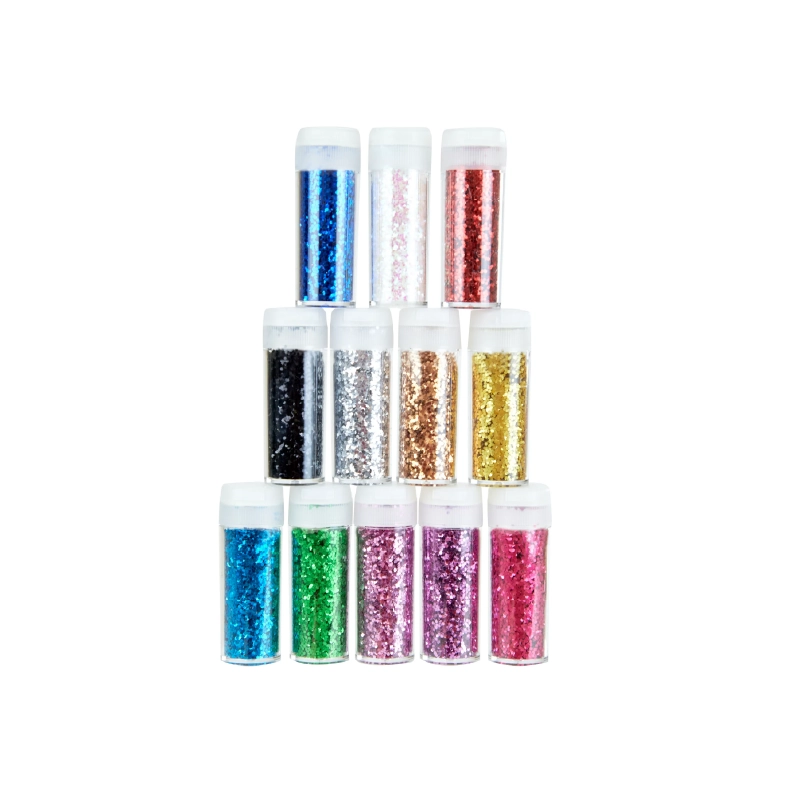
Glitter adds sparkle and excitement to any classroom project. Whether sprinkled onto glue designs or used in ready-to-go glitter glue pens, it captures children’s attention and enhances visual creativity. All glitter products are child-safe, easy to apply, and available in a range of colors and textures. These materials are ideal for cards, collages, and festive decorations.


Safety Scissors
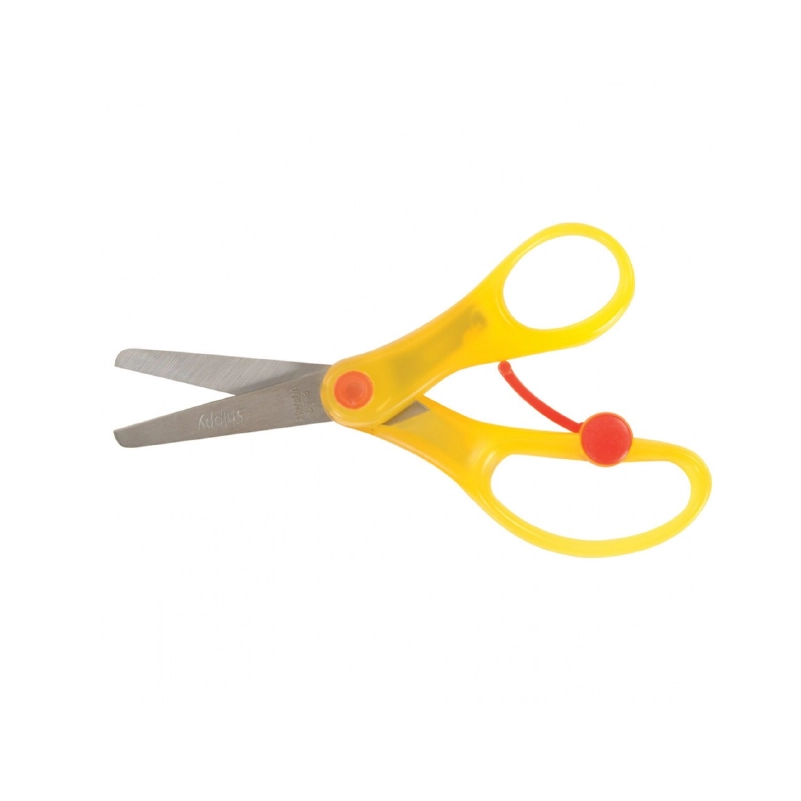
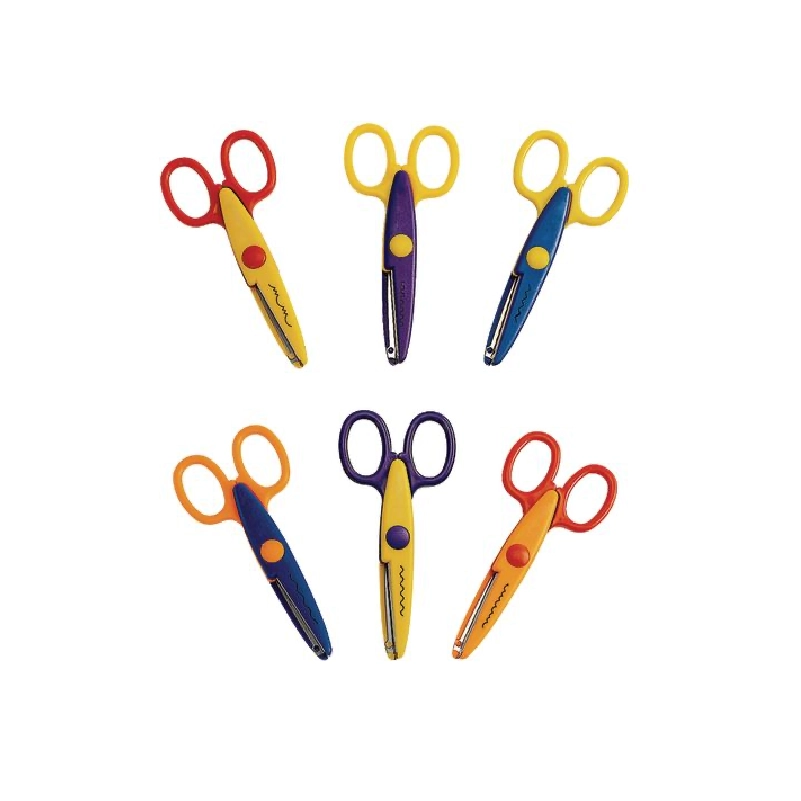
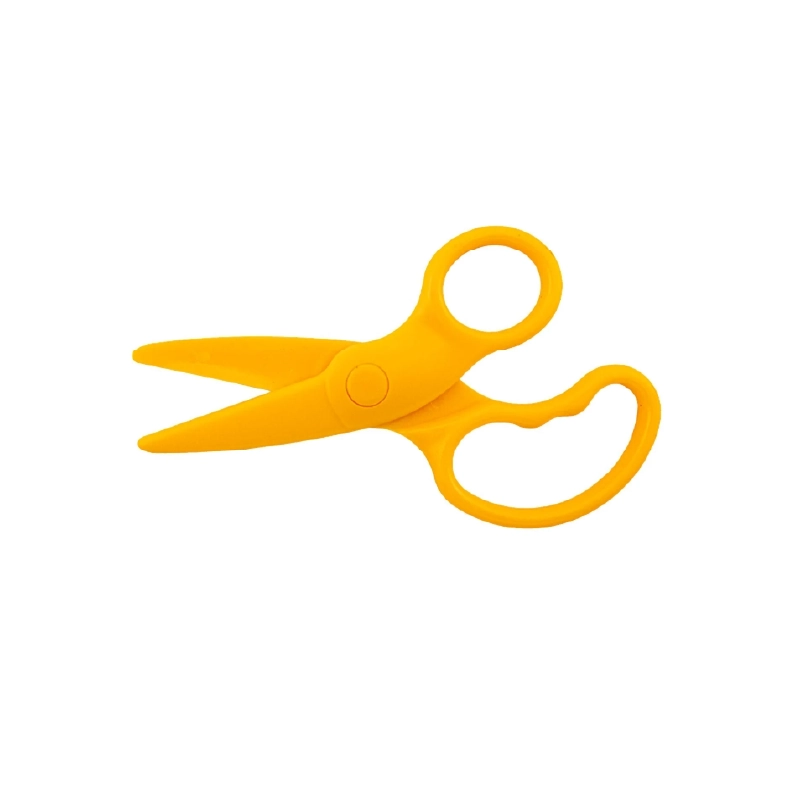
Safety scissors are designed specifically for preschoolers learning how to cut paper and materials for the first time. Featuring rounded tips, ergonomic handles, and soft grips, these scissors help children practice hand strength and coordination while staying safe. Ideal for early art practice, classroom projects, and DIY crafts.

아교
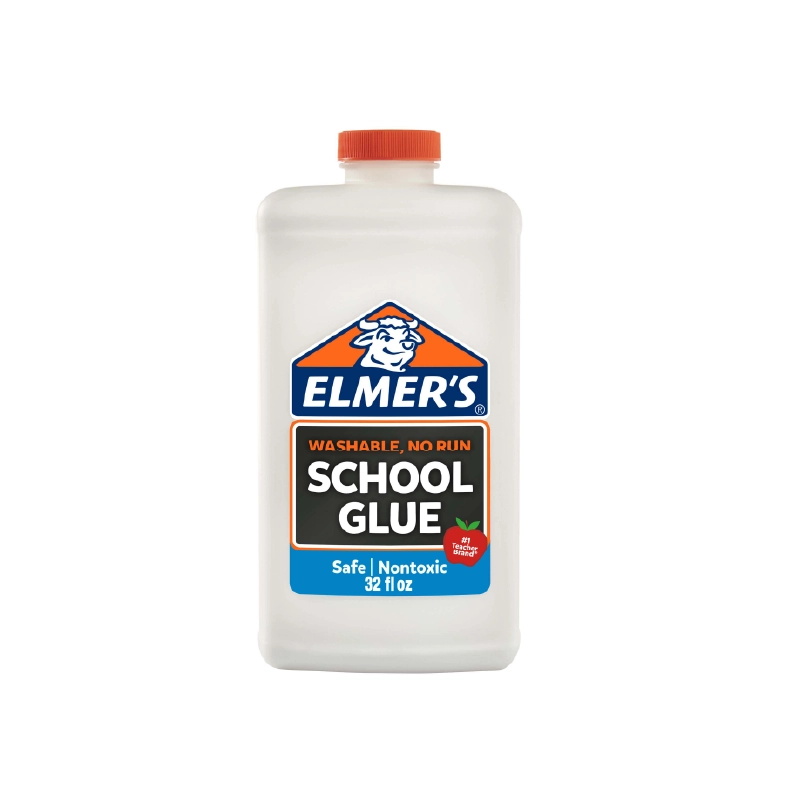
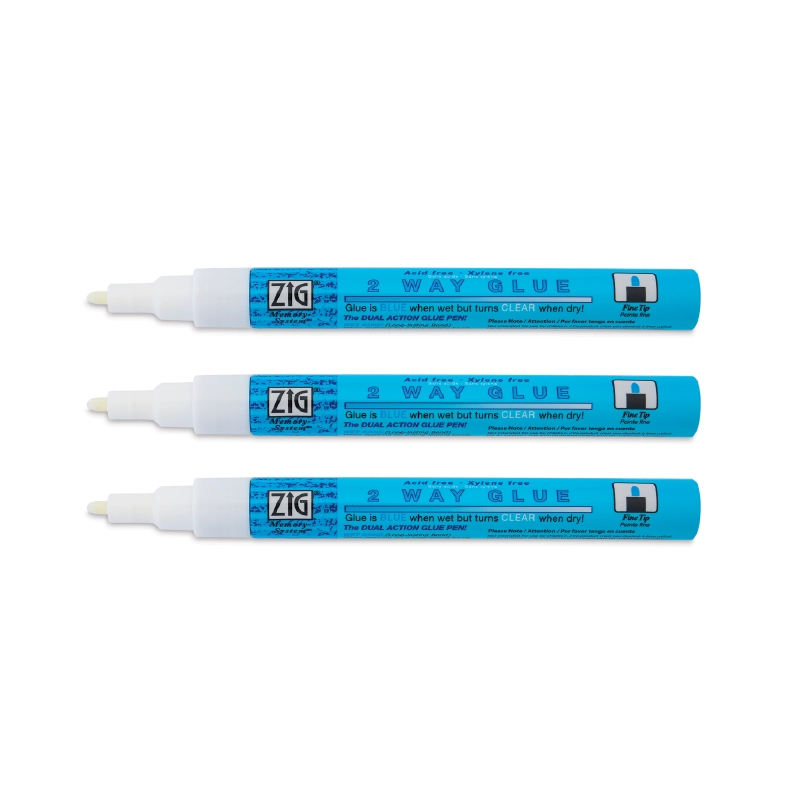
No preschool craft project is complete without glue. Our glue products are non-toxic, washable, and easy for young children to use independently. From traditional white glue to colorful glitter glue pens, they are perfect for sticking paper, pom poms, felt, and lightweight materials securely and cleanly.


How Crafting Boosts Developmental Skills
Fine Motor Skill Development
Craft activities such as cutting, tearing, pasting, and folding all help build hand muscles and coordination. These skills form the foundation for later writing and self-care tasks like tying shoes or buttoning clothing.
Cognitive Growth Through Sequencing
Step-by-step craft projects teach children how to follow sequences, plan actions, and recognize patterns. As children follow visual or verbal instructions, they build problem-solving skills and develop the ability to concentrate on multi-step tasks.
Creativity and Color Exploration
Crafting opens the door to endless creativity. With access to colorful papers, textured materials, and embellishments, children explore design, shape, contrast, and symmetry. Matching and selecting elements fosters early visual literacy and self-expression.
Emotional Benefits Through Self-Expression
Art and crafts provide a safe outlet for emotions. Whether a child is excited, curious, or even anxious, creating something personal allows them to process feelings and gain confidence. Projects that reflect their thoughts or family life encourage storytelling and emotional growth.
Safety Standards for Preschool Craft Materials
- Certifications to Look For
Ensure all craft supplies meet recognized safety standards such as EN71 (EU) or ASTM D-4236 (US), which verify non-toxicity and safe use in educational settings. These certifications give confidence that products have passed rigorous testing for child safety. - Avoid Small Parts for Under-3s
- Preschool craft materials must follow age-appropriate guidelines. Avoid small beads, buttons, or sequins for children under 3 due to choking risks. Choose larger, chunky accessories labeled “3+” and always supervise closely during craft time.
- Teach Tool Safety Through Routine
Scissors and glue are creative tools that also help teach responsibility. Use blunt-tip safety scissors with spring-action for easier cutting, and introduce glue with sponge-top or twist-up sticks to reduce mess. Model and practice routines for safe handling and clean-up. - Choose Hypoallergenic and Washable Products
Children often touch their faces or mouths during play, so materials like glue, markers, and paint must be washable and free from allergens or harsh chemicals. Look for hypoallergenic labels and water-based formulations that are easy to remove from skin and clothing.
Storage and Organization Tips for Craft Supplies
Label Bins by Material Category
Clear labeling is key to keeping craft supplies accessible and manageable. Use large, bold labels or picture icons to mark bins for paper, adhesives, embellishments, and tools. For younger children, visual aids like color-coded or illustrated tags (e.g., glue bottle for glue bin) help build independence and classification skills.
Utilize Baskets, Drawers, and Wall Organizers
Smaller items like pom-poms, sequins, and stickers can quickly create clutter. Use stackable baskets, slide-out drawers, or hanging wall pouches to store frequently used items. Transparent containers allow teachers and students to easily see contents, reducing search time and keeping materials visible and inviting.
Implement Rotation Systems
Rather than displaying all craft materials at once, rotate them based on themes, seasons, or learning objectives. This prevents overstimulation and keeps the crafting area fresh. Store unused items in labeled storage tubs and introduce them gradually to support focus and intentional use.
Differentiate Storage for Daily vs. Occasional Use
Supplies like scissors, glue sticks, and construction paper are used frequently and should be placed at children’s eye level for easy access. Rarely used items (such as glitter glue or specialty foam shapes) can be stored higher up or in teacher-only drawers to maintain order and preserve inventory.
 Korean
  English
  Arabic
  French
  Italian
  German
  Spanish
  Thai
Thai  Japanese
  Portuguese
  Russian
  Vietnamese
  Indonesian
  Turkish
  Polish
  Swahili