
Creating a successful preschool classroom involves more than planning lessons and managing behavior. It’s about building a community where every child has a role to play.
Preschool classroom jobs give young children clear responsibilities and help establish daily routines that promote order and teamwork. When students take on jobs in the classroom, they learn that their contributions matter and that they are trusted.
These jobs also provide structure and support emotional development. Children learn to care for their environment, help others, and develop pride in their work.
If you’re looking for inspiration or new ways to engage your students, this list of over 50 preschool classroom jobs will help you build a thoughtful, supportive classroom routine.
What Are Preschool Classroom Jobs?

Preschool classroom jobs are simple, age-appropriate responsibilities assigned to young children as part of their daily school routine. These roles are designed to help students feel involved, develop independence, and contribute to the overall functioning of the classroom environment.
Each job gives a child the opportunity to take ownership of a specific task, such as handing out materials, being the line leader, or helping clean up after activities. These responsibilities are often rotated daily or weekly to ensure every child has a chance to participate and experience different roles.
These jobs also act as a bridge between home and school responsibilities. Many children already help with small tasks at home, such as putting classroom toys away or bringing dishes to the sink. Preschool classroom jobs extend that idea into the group setting. Children learn that shared spaces need shared care, and that everyone has a part to play in making the classroom safe, calm and welcoming.
Why Are Preschool Classroom Jobs Important?
Classroom jobs give every child a real role in the life of the classroom and help your day run more smoothly. When you use preschool classroom jobs with intention, children learn that they are trusted, capable, and needed. Simple daily tasks become opportunities to practice responsibility, cooperation, and problem-solving while also supporting calm transitions and clear routines. In this way, classroom jobs are not just cute extras; they are a core tool for building community, independence, and confidence in young learners.

Building a Sense of Community
Classroom jobs turn children from passive participants into active members of the community. When you use preschool classroom jobs with intention, you send a clear message that every child is capable of helping and that their contribution matters. This sense of belonging is essential in early childhood, when children are still forming their understanding of themselves and others.
Developing Responsibility
Preschool classroom jobs build responsibility in a concrete, child-friendly way. A four-year-old may not understand abstract ideas about responsibility, but they can understand that the line leader helps everyone walk safely or that the plant helper checks the soil each morning. These simple, repeatable actions show children that they can be trusted and that adults believe in their ability to follow through.
Supporting Social and Emotional Growth
Preschool classroom jobs support social and emotional development. Many roles require children to wait for a turn, work with a partner or respond to feedback. A child who passes out papers learns to listen to directions, move carefully in a crowded space and respond politely when a friend says thank you. Over time, these experiences strengthen cooperation, empathy and self-regulation.
Creating Smooth, Efficient Routines
From a practical teaching perspective, classroom jobs help your day run more smoothly. When you have reliable helpers, routine tasks take less time and require fewer reminders. This means you can focus more attention on instruction and relationship building. Preschool classroom jobs create predictable patterns for transitions, which reduces behavior challenges and makes the classroom feel calm and organized.
Reinforcing Academic and Language Skills
Finally, classroom jobs offer natural opportunities to practice academic and language skills. A calendar helper works with numbers, days of the week and time concepts. A librarian matches books to labels and learns to handle materials with care. A messenger practices speaking clearly and using polite phrases. Each preschool classroom job becomes a small lesson woven into the rhythm of your day.
50+ Preschool Classroom Jobs
Assigning classroom jobs gives preschoolers a meaningful way to contribute to their learning community. The roles below are thoughtfully grouped by function, helping to promote responsibility, independence, and care for others and the environment. Each job includes a short description to help you implement a clear and age-appropriate classroom job system.
Daily Community Helpers
This group of roles helps children feel confident, included, and trusted as active leaders in the daily flow of classroom life. These jobs often involve visibility and responsibility, making them perfect for developing self-esteem and a sense of order.
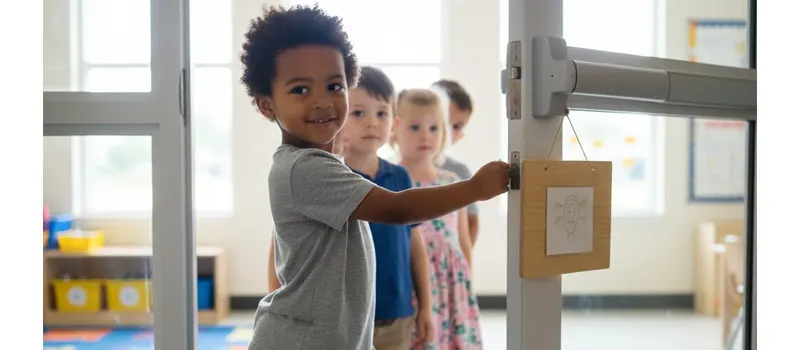
- Line Leader: Leads the class during transitions and models safe walking behavior.
- Caboose: Stays at the end of the line to ensure everyone stays together.
- Door Holder: Holds the door open for classmates during entry and exit.
- Teacher’s Assistant: Helps the teacher with small tasks such as passing supplies or collecting papers.
- Bell Ringer: Rings the bell or chime to signal cleanup or group time.
- Flag Holder: Holds the flag during morning routines like the Pledge or songs.
- Greeter: Welcomes classmates each morning with a wave or kind gesture.
- Substitute: Steps in when another classroom job helper is absent.
- Song Selector: Chooses songs for music time or transitions.
- Dance Leader: Leads classmates in dance or movement breaks.
- Yoga Guide: Leads classmates in simple yoga poses.
- Backpack Reminder: Reminds friends to grab their folders at the end of the day.
- Message Carrier: Delivers notes or messages to other teachers.
Classroom Care & Cleanup
Clean-up and classroom care jobs teach children how to take responsibility for shared spaces. These Preschool Classroom Jobs encourage respect for materials, build simple life skills, and help children understand that caring for the classroom is a shared effort.

- Light Monitor: Turns lights on and off when entering or leaving the room.
- Table Cleaner: Wipes tables after snacks, meals, or art activities.
- Floor Inspector: Checks the floor for scraps and helps keep it clean.
- Trash & Recycling Helper: Ensures garbage and recyclables are placed in the correct bins.
- Cubby Checker: Makes sure cubbies are organized and backpacks are stored properly.
- Sweeper: Uses a dustpan and brush to clean the floor or sensory table area.
- Shoe Helper: Assists classmates with tying or adjusting shoes.
- Toy Doctor: Spots and reports broken or missing toy parts.
Learning Center Managers
These positions promote responsibility and order within designated activity areas. Children help manage materials, ensure the completeness of tools, and support readiness for learning and play.
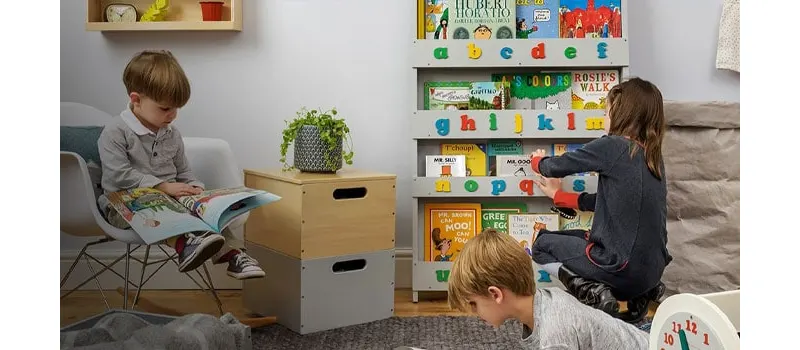
- Librarian: Keeps the reading corner neat and organizes books.
- Block Architect: Sorts and organizes blocchi di costruzione after play.
- Art Supplies Monitor: Organizes crayons, glue, and paper in the art center.
- Puzzle Master: Ensures all puzzle pieces are returned and complete.
- Science Helper: Manages science tools like magnifiers and specimen trays.
- Dramatic Play Organizer: Straightens costumes and pretend play props.
- Playdough Technician: Checks that lids are tightly closed to keep dough fresh.
- Equipment Carrier: Helps carry sports gear or play equipment outside.
Snack & Supply Team
There is a special sense of pride that comes from serving others. These helpers ensure that every friend has what they need to eat or create. It’s a wonderful way to practice one-to-one correspondence and fine motor control while fostering a spirit of generosity.
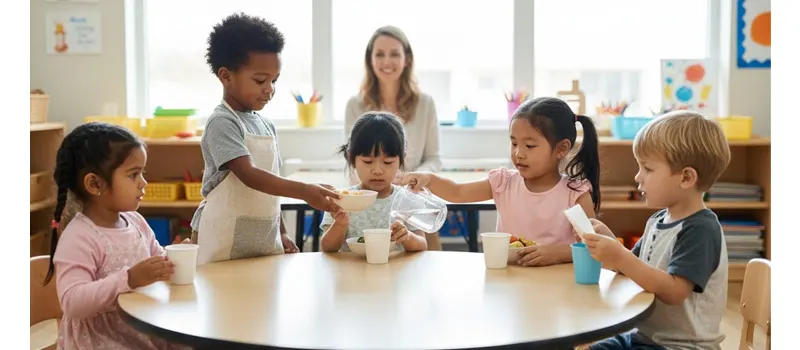
- Snack Helper: Distributes snacks and utensils to classmates.
- Drink Server: Passes out milk or water during meals.
- Napkin Distributor: Hands out napkins before snack or lunch.
- Paper Passer: Distributes papers for drawing or classwork.
- Supply Manager: Helps pass out and return classroom tools like scissors and glue.
Morning Circle & Calendar Roles
These jobs build time awareness, observation skills, and presentation confidence during morning meetings and group routines.
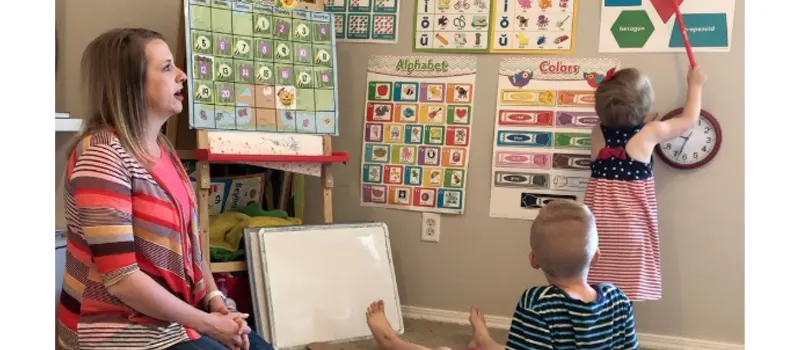
- Calendar Helper: Updates the calendar with the correct date and day.
- Weather Reporter: Observes and shares the daily weather.
- Season Monitor: Identifies and updates the current season.
- Attendance Counter: Counts how many students are present.
- Schedule Pointer: Points to the visual schedule throughout the day.
Nature & Pet Care
Teaching empathy starts with caring for the smallest living things. These gentle roles allow children to connect with nature right inside the classroom. Whether it’s watering a thirsty plant or feeding a classroom pet, students learn that their actions have a direct, positive impact on another life.
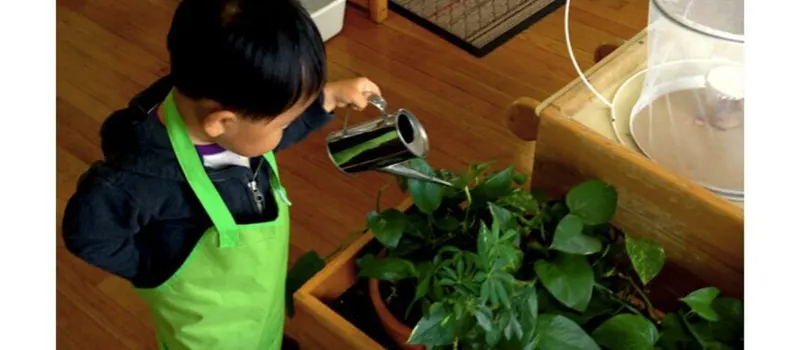
- Plant Gardener: Waters classroom plants with care.
- Gardening Inspector: Checks plant soil and reports if watering is needed.
- Pet Feeder: Assists the teacher in feeding classroom pets.
Health & Safety Helpers
This category focuses on hygiene, organization, and classroom safety. Children in these roles help protect the health of their peers and promote good habits.

- Washroom Monitor: Reminds classmates to use the bathroom responsibly and wash their hands with soap.
- Towel Passer: Distributes paper towels after handwashing or messy activities.
- Germ Buster: Encourages healthy hygiene habits like sneezing into elbows and handwashing.
- Tidy Inspector: Checks if common areas are neat and safe before transitions.
- Allergy Awareness Helper: Reminds the class to follow food and material safety rules related to allergies.
Creative & Emotional Roles
UN positive classroom culture is built on empathy and connection. These heart-centered roles give children the tools to support one another’s emotional well-being. They allow children to connect with their classmates and feel proud of their contribution to the classroom community.
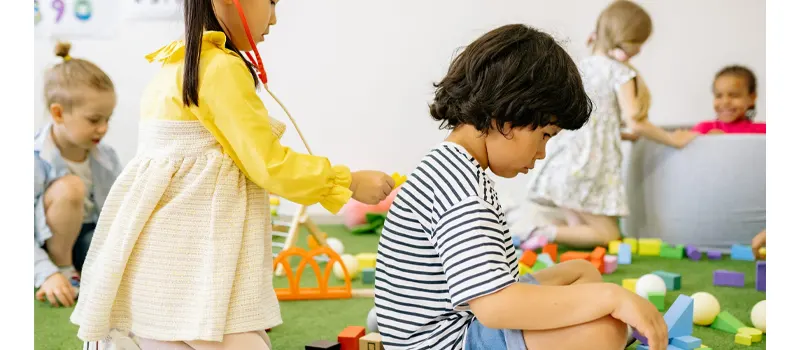
- Encourager: Gives kind compliments and encourages classmates.
- Quiet Captain: Uses hand signals to remind classmates to use quiet voices.
- Star of the Week: Gets to assist the teacher and share special items all week.
- Birthday Buddy: Assists the teacher in celebrating birthdays by handing out cards or crowns.
- New Student Buddy: Helps welcome and guide new classmates.
How To Integrate Preschool Classroom Jobs?
Integrating Preschool Classroom Jobs means intentionally building them into daily routines rather than treating them as extra tasks. A successful system connects jobs to real classroom needs, introduces responsibilities gradually, and provides a consistent structure, so children understand their roles and feel confident carrying them out each day.
1. Define Your Educational Goals
Before selecting jobs or building a rotation system, ask yourself what you hope children will gain. Is your focus on promoting independence? Encouraging teamwork? Building executive function through routine? Clarifying your objectives will help you choose roles with purpose and integrate them into the overall learning environment, rather than treating them as add-ons.
2. Choose Age-Appropriate Roles
Preschoolers thrive when tasks match their capacità motorie and attention span. For younger children, simple jobs like handing out napkins or turning off lights are more manageable. Older preschoolers may enjoy more complex roles like being the schedule pointer or taking care of plants. Choose tasks that set children up for success and allow them to feel genuinely helpful.
3. Start Small and Build Gradually
You don’t need to launch with a full chart of 20 roles. Start with three to five essential jobs that are easy to demonstrate and rotate. As the class becomes familiar with the process and begins taking pride in their roles, gradually add new jobs. This approach keeps children from feeling overwhelmed and allows space for celebration as responsibilities grow.
4. Use Visual Job Charts or Name Tags
Preschoolers are visual learners, so support their memory with clear, colorful displays. Job charts with icons or photos can help non-readers understand their role. Attaching name tags or using Velcro job cards can also make assignments interactive and engaging. Visual aids create a consistent, accessible structure that children can rely on.
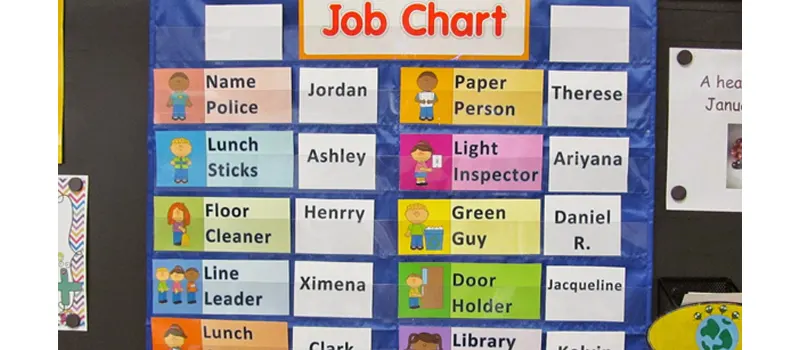
5. Create a Consistent Rotation System
Rotating jobs regularly ensures every child gets a chance to try different responsibilities. Most teachers rotate jobs weekly, allowing enough time for children to learn the task and feel a sense of ownership. A predictable rotation schedule also prevents arguments or boredom and helps build anticipation and fairness into the routine.
6. Model Each Job Clearly
Children need to see what “doing the job well” looks like. Model each task step-by-step, using simple language and gestures. For example, show how to pass out papers gently or how to sweep in one direction. Modeling should happen each time a new job is introduced, and occasionally as reminders to maintain consistency and quality.
7. Involve Students in the Process
Involving children in choosing or assigning jobs can dramatically increase engagement. Some teachers allow students to pick from a set of available jobs; others draw names or assign roles based on classroom themes. By including children in the process, you’re giving them ownership, which boosts enthusiasm and cooperation.
8. Reflect and Adjust as Needed
What works for one class may not work for another. Regularly review how job systems are functioning. Are some jobs being ignored? Are certain tasks too advanced? Be flexible and willing to remove, combine, or replace roles based on classroom needs. A good job system is dynamic—it grows with your group.
Common Challenges When Using Preschool Classroom Jobs
Using Preschool Classroom Jobs brings many benefits, but challenges can appear if the system is not well structured or developmentally appropriate. Understanding common issues helps teachers adjust expectations and keep classroom jobs positive, fair, and effective.
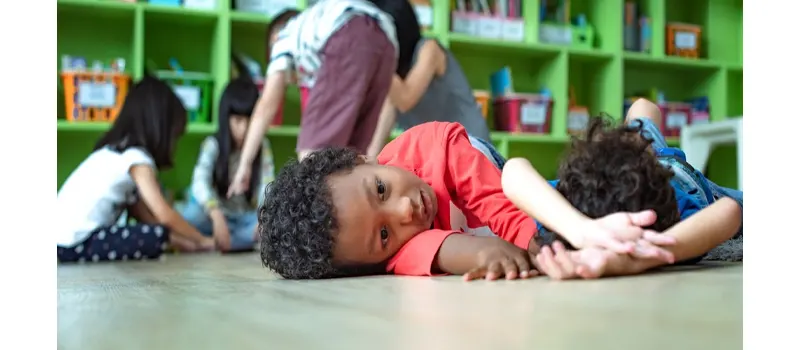
Children Wanting the Same Job
One of the most common challenges is multiple children wanting the same role. Popular jobs like line leader or snack helper can lead to disappointment or conflict. To address this, rotate jobs regularly and clearly explain that every role is important. Using a predictable rotation system helps children understand that everyone will have a turn.
Jobs Being Forgotten or Ignored
Preschoolers may forget their jobs, especially at the beginning. This is a normal part of learning responsibility. Gentle reminders, visual job charts, and consistent routines help children remember their roles without pressure. Over time, Preschool Classroom Jobs become more automatic.
Jobs Taking Too Much Time
If jobs are too complex or too many are assigned at once, they can slow down transitions. Keep responsibilities simple and limit the number of active jobs. Short, clear tasks work best and allow jobs to support classroom flow rather than interrupt it.
Uneven Skill Levels Among Children
Not all children develop at the same pace. Some may need more support or simpler tasks. Adapt Preschool Classroom Jobs to match individual abilities by adjusting expectations, pairing children, or offering choice. Flexibility ensures that every child can participate successfully.
Jobs Turning Into Control Rather Than Support
Sometimes, children may try to correct or direct peers too strongly. Reinforce that classroom jobs are meant to help, not to manage others. Clear language and modeling respectful behavior help children understand the purpose of their role.
Domande frequenti
How many jobs should I start with in a preschool classroom?
It’s best to start with 3 to 5 simple jobs and gradually add more as children become comfortable with the system.
What if some children do not want a preschool classroom job?
If a child resists taking on a preschool classroom job, offer very small, low-pressure tasks at first, such as holding a sign or choosing a song. You can also let them be a helper in training who shadows a friend. Over time, gentle encouragement and positive feedback often help reluctant children join in.
Do preschool classroom jobs take extra time out of the day?
At the beginning, teaching preschool classroom jobs does take a little extra time. Once routines are in place, however, jobs usually save time because children know what to do and can manage many small tasks without constant reminders. The key is to keep the system simple and consistent.
At what age can children start doing preschool classroom jobs?
Most children can begin simple preschool classroom jobs at age three, as long as the tasks are concrete, clearly modeled, and supported with visual cues. You can always start with very easy jobs and increase responsibility as children grow.
Final Thoughts About Preschool Classroom Jobs
Preschool Classroom Jobs are a simple yet powerful way to support independence, responsibility, and community in early childhood settings. When children are trusted with meaningful roles, they begin to see themselves as capable contributors to the classroom rather than passive participants in daily routines.
A successful classroom job system does not need to be complicated. Starting with a few clear roles, modeling expectations, and rotating jobs consistently helps children feel confident and motivated. Over time, these small responsibilities become part of the natural rhythm of the classroom and support both learning and classroom management.
As your classroom job system evolves, don’t be afraid to adapt, simplify, or get creative. The goal isn’t perfection. It’s engagement, ownership, and joy in participation. When children feel empowered to help, even the smallest tasks can leave a lasting impact.

 Italian
  English
  Arabic
  French
  German
  Spanish
  Thai
Thai  Japanese
  Portuguese
  Russian
  Korean
  Vietnamese
  Indonesian
  Turkish
  Polish
  Swahili