
Montessori Work Cycle: What Happens During the 3-Hour Work Period?
This article explains the Montessori work cycle as a foundation for child-led, focused learning. It explores how children choose and engage with activities, the educator’s role as observer, and why uninterrupted time is essential for concentration, motivation, and independence.
What Is a Mud Kitchen and Why It’s a Must-Have for Outdoor Play
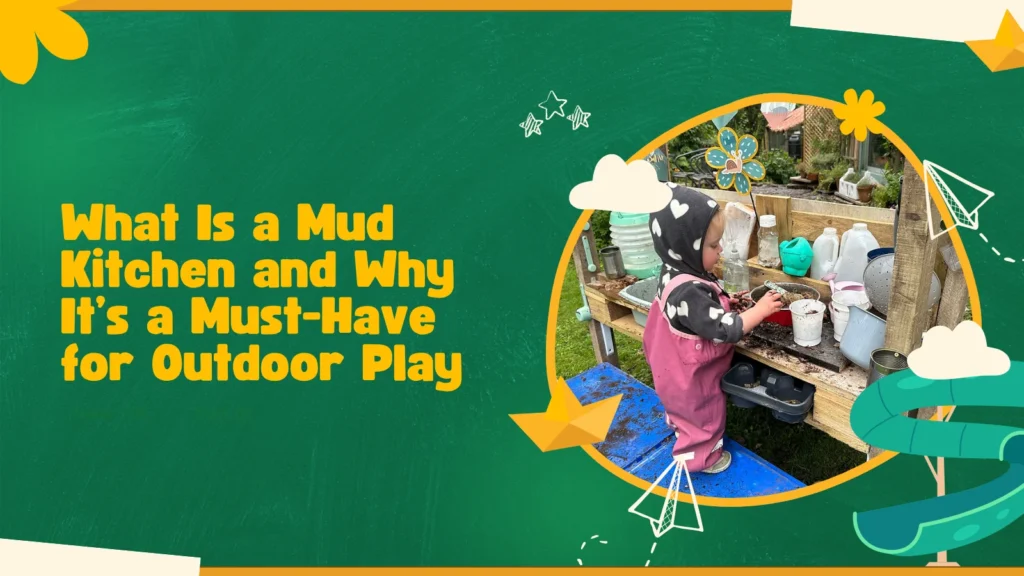
This article explains what a mud kitchen is, why it’s valuable for early childhood development, and how educators can safely implement and extend it outdoors. It covers key benefits, ideal age groups, setup steps using dramatic play furniture, and creative ways to enrich the experience.
6 Visual Discrimination Activities for Early Learners
Visual discrimination is an essential skill that helps young children recognize differences in shapes, patterns, and details. This article walks you through six creative, easy-to-set-up visual discrimination activities designed for early learners. Each one is crafted to improve focus, cognitive processing, and visual tracking—all while keeping kids engaged through play. From sensory bottles to science kits, you’ll find hands-on ideas to support your child’s development at home or in the classroom.
Teaching Montessori Sentence Analysis to Children Ages 6–9: A Practical Guide
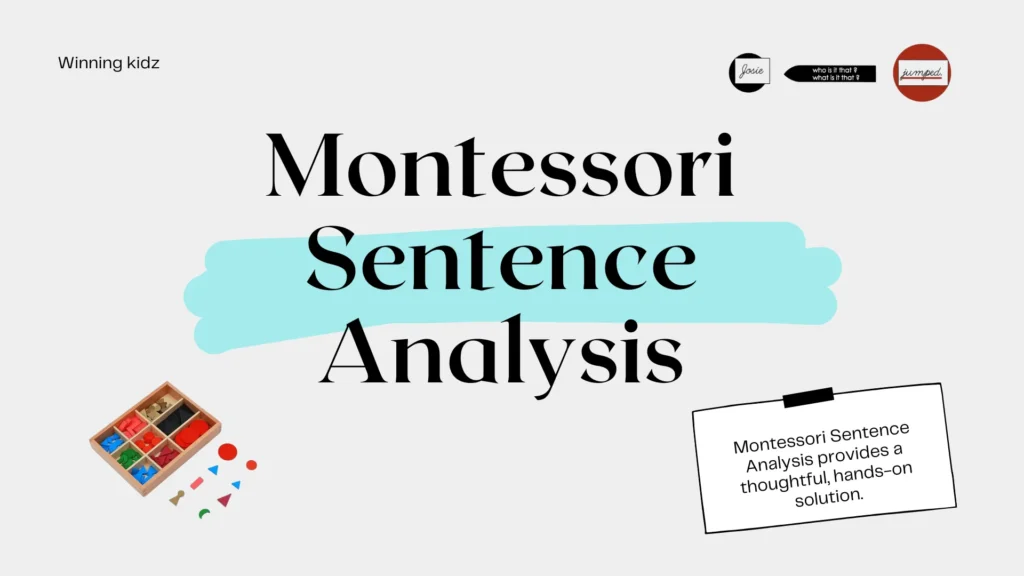
This guide explores how to teach Montessori Sentence Analysis to children ages 6 to 9. It covers developmental readiness, core sentence analysis steps, essential materials, and strategies for setting up a prepared environment that nurtures independent grammar learning through hands-on exploration.
15 Preschool Teacher Skills for an Inspiring Classroom
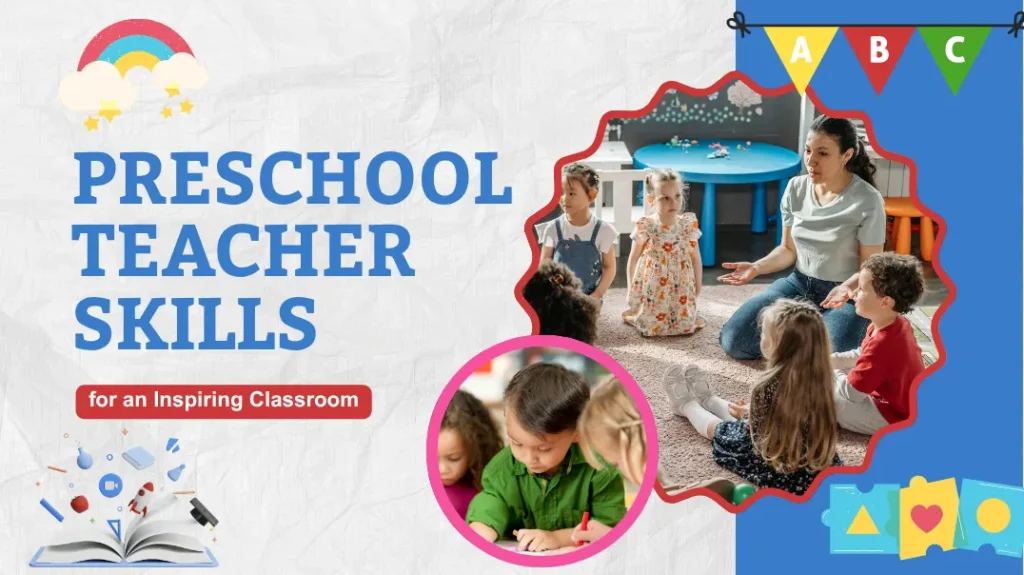
Preschool teacher skills play a critical role in shaping early childhood development, classroom harmony, and educational outcomes. This article presents the 15 most important skills that contribute to a thriving and inspiring preschool environment. From emotional intelligence to lesson planning and family collaboration, each skill supports both the educator’s growth and the child’s learning journey in meaningful and lasting ways.
Why Every School Needs an Outdoor Classroom in 2026
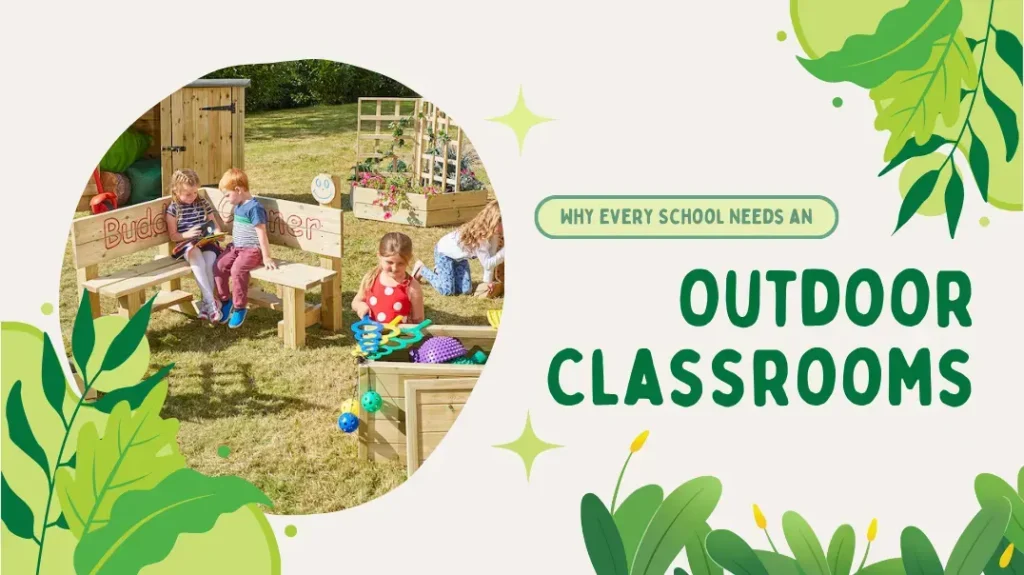
In 2026, traditional teaching methods are evolving, and outdoor classroom are taking center stage. This article explains why every school, from preschools to elementary levels, should embrace outdoor learning spaces. Backed by real case studies and practical strategies, you’ll get insights into how learning outside of the classroom dramatically enhances student engagement, academic performance, and mental wellness. From design tips to must-have outdoor classroom furniture, it’s your go-to guide for making outdoor education not just possible, but powerful.
Restorative Practices in Early Childhood Education
This article explores developmentally appropriate restorative practices in early childhood education. It explains restorative practices concepts, practical strategies like circles and calming spaces, and provides implementation steps to help children build empathy, repair relationships, and grow socially.
Cooking With Your Kids: Fun, Learning, and Love

Cooking with your kids isn’t just about preparing meals—it’s about creating memories, building independence, and fostering lifelong learning. This guide shows parents how to make the kitchen a space of discovery and confidence, with practical tips on safety, creativity, and teamwork.
 German
  English
  Arabic
  French
  Italian
  Spanish
  Thai
Thai  Japanese
  Portuguese
  Russian
  Korean
  Vietnamese
  Indonesian
  Turkish
  Polish
  Swahili