
Understanding Developmental Domains in Early Childhood
This article explores developmental domains, explains how they are interrelated, why they matter in early education, and how educators and caregivers can support each one effectively. By grasping the complete picture of child development, we can create nurturing environments that help every child thrive academically, socially, and emotionally.
Celebrating Teacher Appreciation Week 2026
Teacher Appreciation Week 2026 is an opportunity to honor and celebrate educators who inspire and shape future generations. Learn creative ideas for gifts, activities, and ways to show gratitude, ensuring that teachers feel valued for their hard work and dedication.
Understanding Developmentally Appropriate Practice: A Guide for Educators
Developmentally Appropriate Practice (DAP) refers to teaching methods grounded in child development research. This article is a comprehensive guide for educators to effectively understand and apply DAP principles in early childhood education. It will teach educators how to create inclusive, respectful, and nurturing learning environments that foster holistic child development and lifelong learning foundations.
The Importance of Open-Ended Questions for Preschoolers in Early Education
Open-ended questions are vital in preschool education. They promote critical thinking, creativity, and communication skills. These questions foster cognitive and emotional development by encouraging children to elaborate on their thoughts. This article examines how open-ended questions for preschoolers support learning and provides practical strategies for incorporating them into daily interactions.
Effective Preschool Lesson Plans: A Guide to Engaging Young Learners
Effective Preschool Lesson Plans are essential for engaging young learners. Discover strategies, tips, and ideas to create meaningful and enjoyable preschool lesson plans that promote early childhood development.
14 Different Types of Preschool Programs
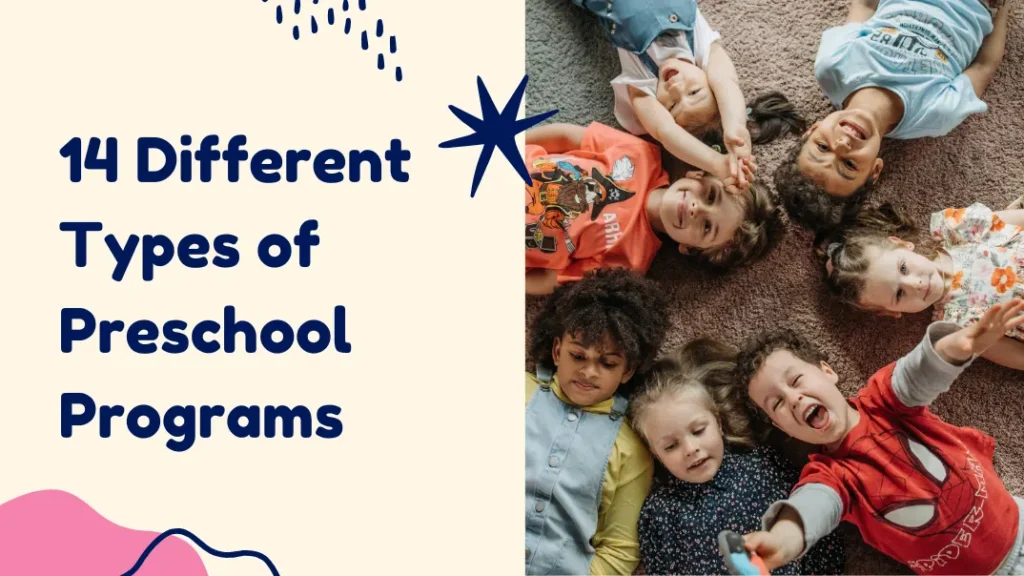
The article covers 14 different types of preschool programs and explores their respective characteristics, advantages, and suitable types of children. Each education model focuses on different educational concepts, such as independent learning, creativity, social skills, language ability, and emotional development.
How to Create an Effective Montessori Classroom Layout
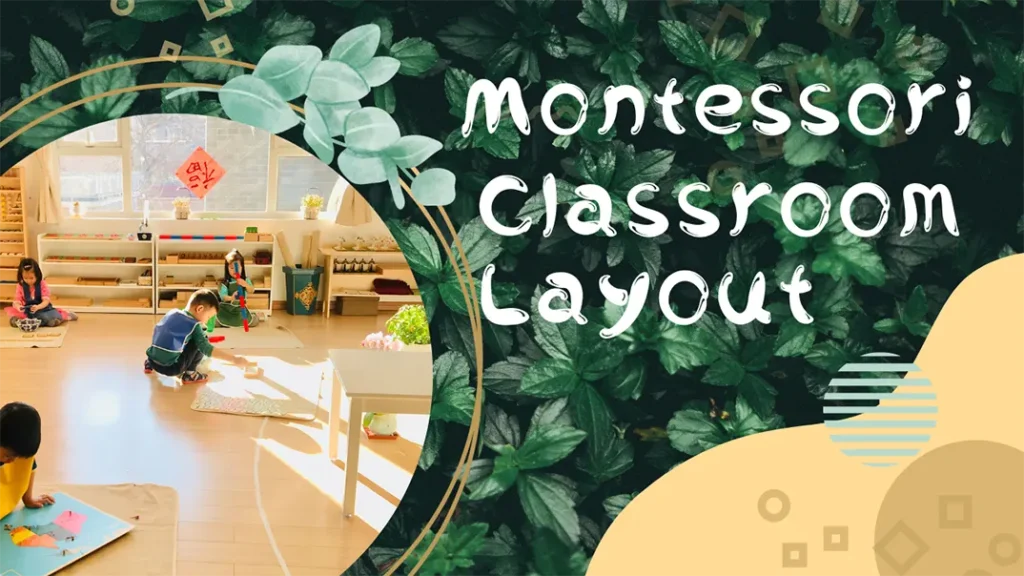
Creating an effective Montessori classroom layout is about more than just arranging furniture; it’s about designing an environment that nurtures independence, concentration, and purposeful exploration. In this guide, we’ll explore key design principles, furniture placement tips, and layout examples to help you build a classroom that empowers every child to thrive.
Formative Vs Summative Assessment: What Is the Difference

This article provides an in-depth comparison of formative and summative assessments, exploring their key differences, purposes, and how they impact students’ learning experiences. Whether you’re an educator or a student, understanding these two types of assessments is crucial for fostering effective learning environments.
 English
  Arabic
  French
  Italian
  German
  Spanish
  Thai
Thai  Japanese
  Portuguese
  Russian
  Korean
  Vietnamese
  Indonesian
  Turkish
  Polish
  Swahili